Article
.webp&w=3840&q=75)
Portugal Homes
Get the best property advice.
For most people, the Algarve means sun and sea, beaches and blue skies. Maybe you’re a fan of the region’s characteristic seafood or like to play its many renowned golf courses. But have you ever considered living there?
You wouldn’t be alone. Many people experience the Algarve through holidays and then decide they’d like that lifestyle full-time.
But like anywhere, it has its advantages and drawbacks, and if you’re serious about moving there, you need to understand where you want to live and what your life there will look like.
This guide covers lifestyle, costs, transport, healthcare, schools, property, and how to choose by town, budget, and residency route.
Is the Algarve a Good Place to Live?
Yes… if you’re looking for what it offers.
For people who want sunshine, safety, and outdoor living, it might be perfect. But if you’re after a big-city experience, if you want to live car-free, or if you find the seasonal swings in activity challenging, the Algarve might not be the right place for you.
.webp&w=3840&q=75)
Where Is the Algarve in Portugal?
The Algarve is the southernmost region of Portugal, stretching from the open Atlantic off the western coast at Sagres to Vila Real de Santo António by the Spanish border in the east.
The region, which occupies the same area as the Faro district, makes up the country’s entire southern coastline.
Coastal areas of the Algarve are generally the most popular and the most developed, while inland areas tend to be emptier and experience greater extremes of temperature.
What Is the Lifestyle Like in the Algarve?
The Algarve offers a relaxed pace of life that encourages time spent outdoors.
Daily life is unmistakably slower than in cities like Lisbon and Porto, but this can vary from town to town.
Many residents build their daily routines around local cafes, markets, restaurants and beaches.
Spending time outdoors might involve swimming at the beach or coastal walks, while activities on offer include golf at some of the highest-rated resorts in Europe and a wide range of water sports.
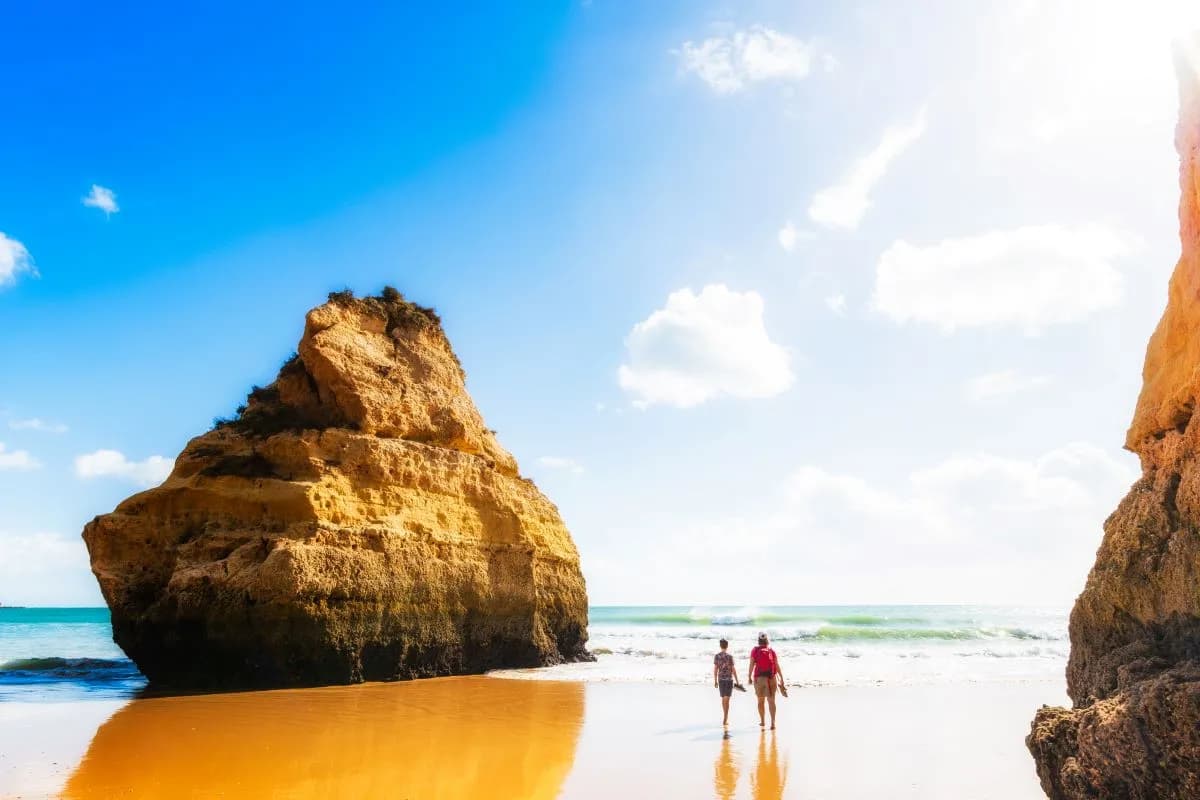
Food is important here. Fresh seafood is a large part of the local cuisine, along with grilled chicken, fresh local produce, and plenty of wine, citrus, garlic, and olive oil.
If you’re used to living in a big city, the size and pace of the Algarve will require an adjustment. Faro, the region’s capital, has a population of fewer than 50,000 people, and that’s as ‘big city’ as it gets.
The seasonality is another factor that affects day-to-day life in the Algarve.
During the high season in the summer, the region’s population more than triples, while in the winter months, tourism drops dramatically and many businesses close until the summer.
Crowded summers and sleepy winters can both be challenging in different ways.
Cost of Living in the Algarve
While Portugal is known for its affordable cost of living, the Algarve has become one of the most expensive areas of the country.
It still offers excellent value compared to many Western European neighbours, but it’s not quite the budget proposition it was five or ten years ago.
Day-to-day costs remain manageable. Groceries and utilities are broadly in line with the national average, and it is still possible to find simple restaurant meals for €10 to €15, though you should expect to pay more on average.
Housing is the bigger issue.
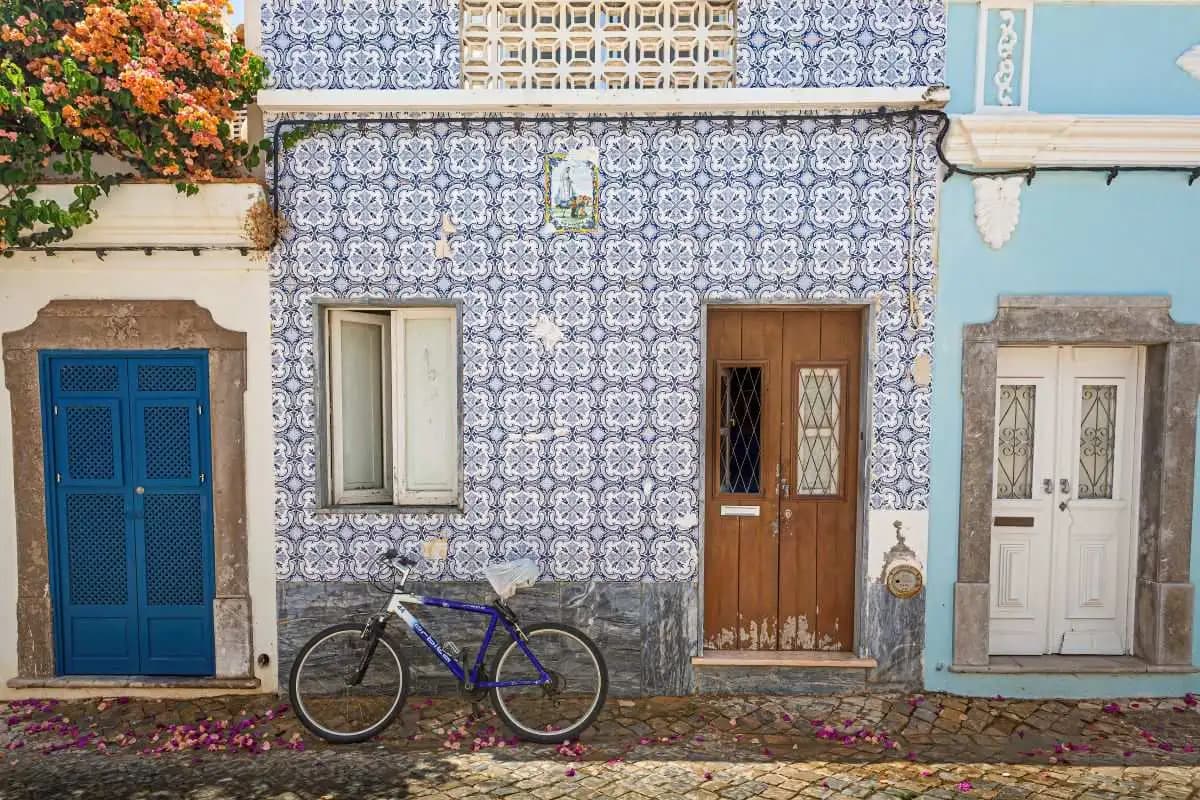
In 2026, among increasing house prices across the country, the Algarve was Portugal’s second-most expensive region, with an average property price of €3,352/m², behind only Lisbon.
Coastal towns, golf areas, and locations near international schools can sit well above that figure, while inland areas usually offer more space for the same budget.
Renting can also be competitive. The average monthly rent is around €15/m², but luxury villas in resort towns can exceed €50/m².
Car ownership is another cost to factor in.
Public transport works reasonably well in larger towns and between main centres, but anyone living outside a town, or wanting to explore quieter areas, will likely need a car and a driving licence valid in Portugal.
That means purchase or import costs, insurance, vehicle tax, fuel, and possibly paid parking.
Visas and Residency for Living in the Algarve
EU, EEA and Swiss citizens need no visa to live and work in the Algarve. Non-EU citizens need the right visa or residency route.
Buying property does not automatically give the right to live in Portugal full time, and the option to gain residency through property purchase was discontinued in 2023.
Alternatives include the D2 Visa, which involves investment in a Portuguese-based business, the D7 Visa for retirees and those with passive income, and the D8 (Digital Nomad) Visa for remote workers and freelancers with income above a set threshold.
The choice of which visa is right for you depends on your income, nationality, family situation, and long-term plans.
Healthcare, Schools, and Everyday Services in the Algarve
High-quality healthcare is easily available in the Algarve, both through the private and public systems. Faro and Portimão are important healthcare centres with major public and private hospitals, while the facilities in smaller towns will generally depend on demand.
Many foreign residents use private insurance, which is available at low cost compared to many other countries.
While healthcare availability is a major deciding factor for many buyers, another key aspect is proximity to schools.
Education is free for Portuguese residents, but many foreign residents choose international schools for their children, many of which are available in the Algarve, especially in areas near Loulé, Almancil, Olhão, and Faro.
Everyday amenities and government services are easily available in major towns but can be more difficult outside of them.
For permanent residents, these year-round services often matter more than holiday appeal or beach proximity.
Getting Around the Algarve: Do You Need a Car?
While it is possible to live in the Algarve without driving, especially if you’re in one of the larger cities, life in rural or inland areas becomes significantly harder without a car, as does travel across the region.
Faro Airport is a major advantage. This busy international airport is one of the biggest in the country and offers direct connections to 92 destinations across the world.
Located in Faro, it is easily reached by car or public transport from any town in the region.
The A22 motorway provides the essential link for those driving across the region, stretching along the length of the Algarve from Lagos to Castro Marim before passing into Spain.
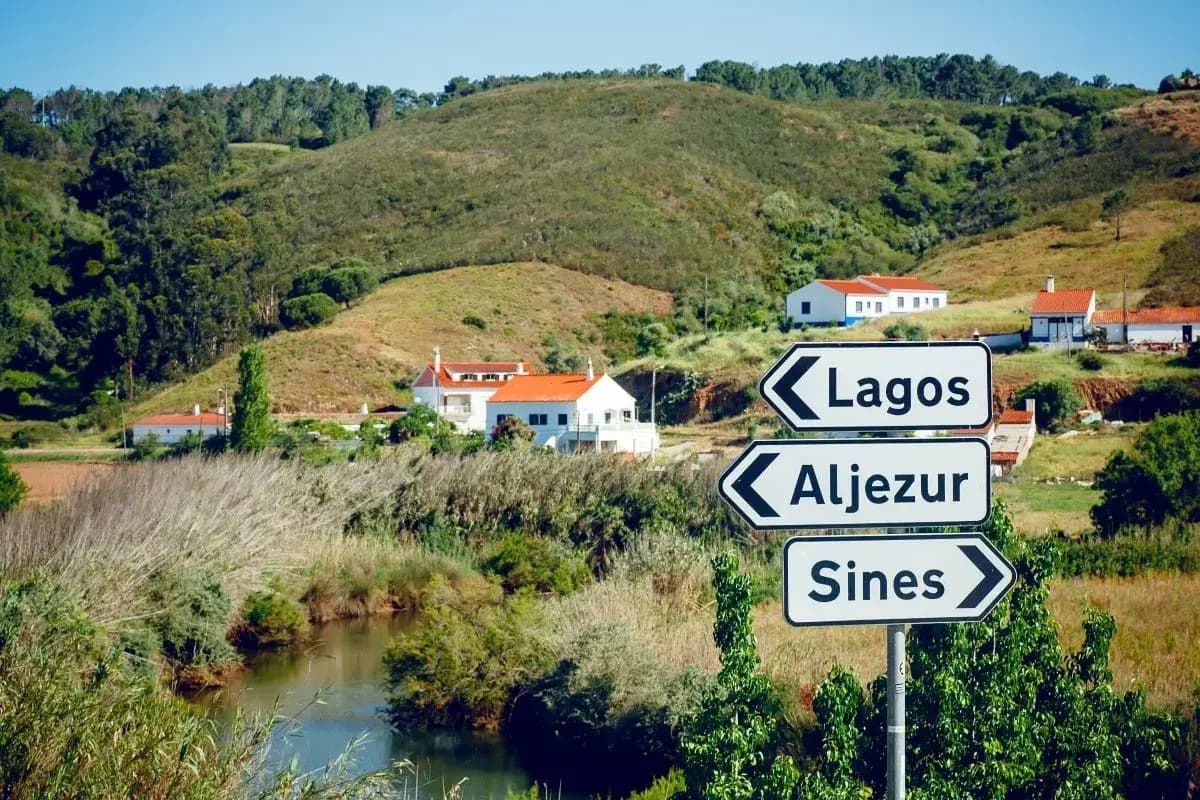
Public transport is available, but more limited than in the big cities. Trains provide regional links and connect to Lisbon and beyond.
Buses fill some of the gaps, especially for cheaper local and intercity travel, but they are usually slower than driving.
Some town centres are walkable: Faro, Lagos, Portimão, Tavira, parts of Albufeira, and Quarteira can be tackled on foot without too much issue.
However, villas, rural homes, golf resorts, and inland properties almost always require a car. Local taxis and ride-hailing services like Uber and Bolt can be found, but these are rarer outside of cities and the high season.
Buying Property in the Algarve
Algarve properties range from studio apartments to sprawling luxury estates, but medium-sized apartments and villas close to the sea are among the most common.
Apartments, especially those with a furnished option, are well-suited to turnkey buyers looking for investment and frequent visitors.
Villas are better suited to long-term resident families, retirees and buyers wanting outdoor space.
Resort properties suit buyers who prioritise management, golf access, or easy maintenance.
Inland homes often offer more space and privacy and better value for buyers willing to deal with lower access to amenities and services and the sharper temperature extremes.
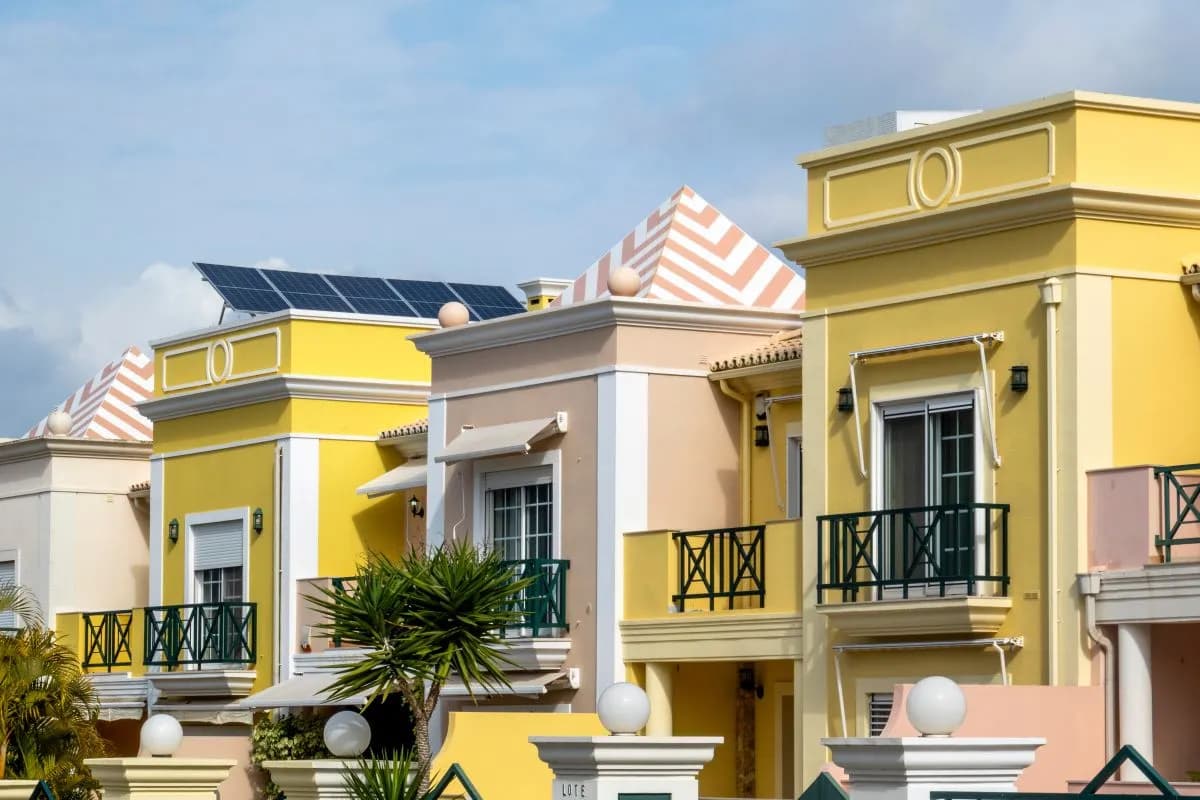
Buyers should keep several factors in mind when considering a property:
Legal documents: If a house is not correctly registered and legalised, it can present serious issues in terms of insurance and financing.
Energy performance: It’s important to check the property’s rating before buying to understand your likely costs.
Damp: Always check for signs of damp and infiltration, especially in properties near the sea, as this is a common issue.
Heating/cooling: Many older buildings have no heating or cooling systems and can be quite cold in winter.
Condominium fees: These are not always clearly advertised and can add substantially to ongoing costs. Check what they cover before buying.
Parking and access to services: These factors affect the ease of day-to-day life significantly.
Understanding the key issues you’re likely to encounter in a Portuguese home will go a long way when you’re viewing a property.
A holiday property and a full-time home are not the same thing and present very different sets of requirements. You need to understand not only what you’re looking for but also what kind of lifestyle the property would support.
Best Places to Live in the Algarve
1. Faro and Portimão: Best for Services and Year-Round Living
Faro and Portimão are the two biggest towns in the Algarve and as such offer the greatest access to services and transportation links.
These are lively and bustling places by Algarve standards and are well suited to those seeking a busier, more city-like day-to-day experience.
As the region’s commercial centres, they experience less seasonal fluctuation in population and activity, with stronger year-round demand for housing.
2. Lagos, Tavira, and Loulé: Best for Historic Character and Lifestyle
Lagos, Loulé, and Tavira offer more historic character and a slower pace than Faro or Portimão, while still appealing to international residents, remote workers, and active retirees.
Quieter and more lifestyle-focused than the cities, they offer a more traditional feel, though they may feel too quiet for some people.
With a strong property market, especially for apartments, townhouses, and villas, buying here is not cheap, but better value can be found outside of the town centres.
As places with strong tourist appeal, expect noticeable seasonality in population and prices.
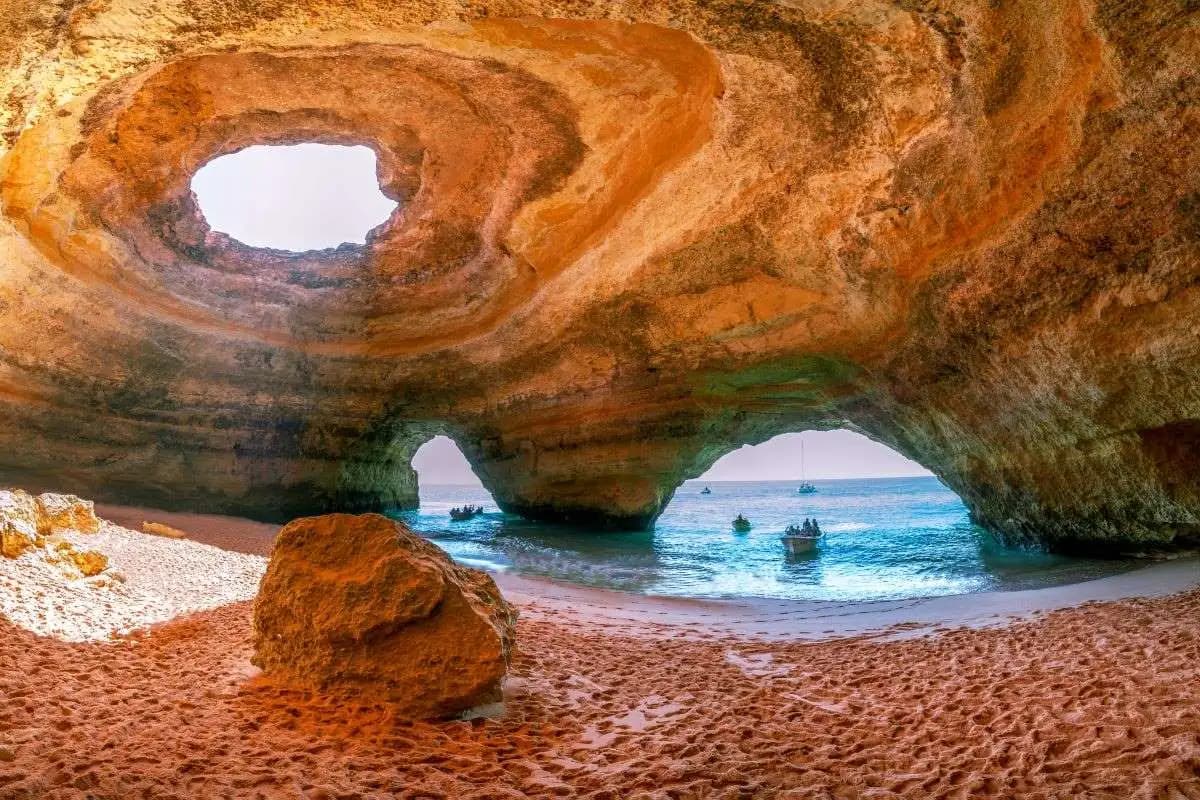
3. Albufeira, Vilamoura, and Quarteira: Best for Resorts, Golf, and Rentals
The twin towns of Vilamoura and Quarteira offer a taste of the luxury lifestyle that draws many from around the world to the Algarve.
Vilamoura, a prestigious resort town, offers a world-class marina and golf courses while Quarteira provides a more local feel and access to Blue Flag beaches.
Albufeira is more of a party town, so if nightlife and excitement are priorities for you, look no further.
The market here primarily features apartments and villas near golf courses and the coast.
Expect to find higher prices in these prime areas as well as intense tourism and seasonality, so be prepared for large crowds in the high season.
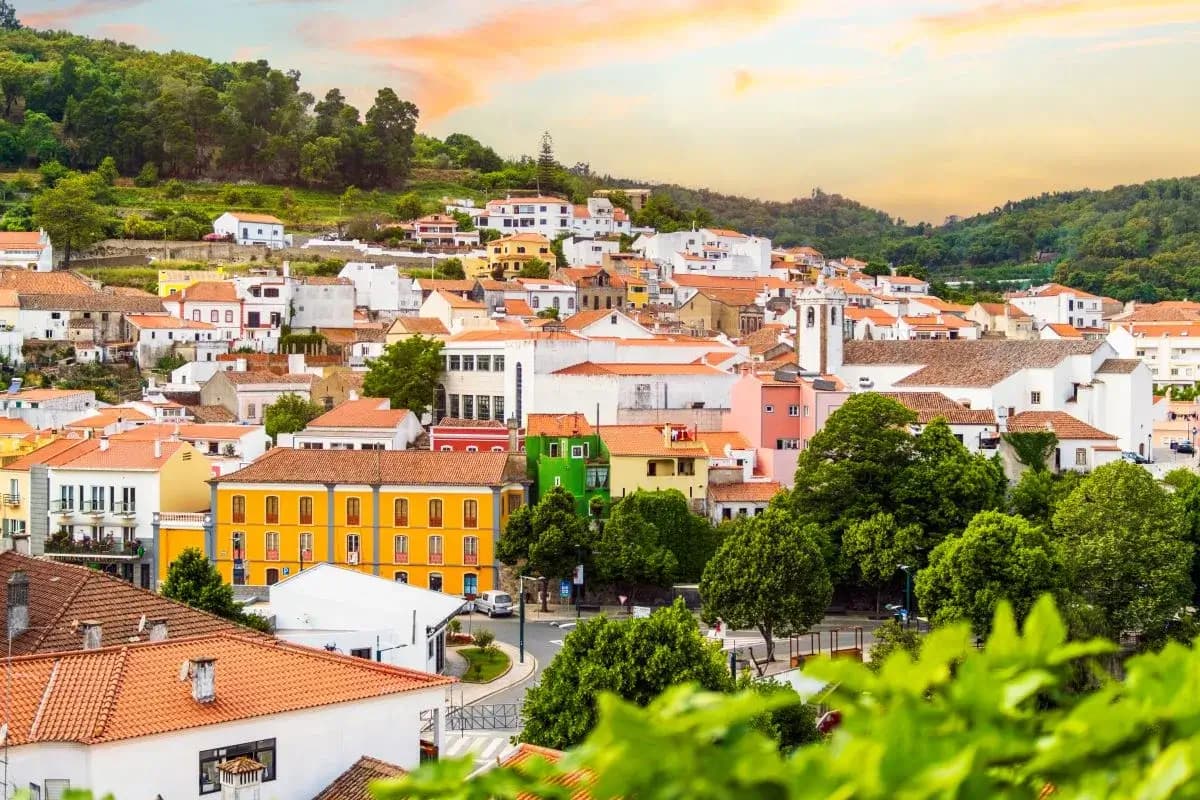
4. Silves, São Brás de Alportel, and Monchique: Best for Space and Value
The inland areas of the Algarve have a very different feeling to the coast. Further from the tourist appeal of the coastal towns and beaches, buyers will encounter more space, greater privacy, and much better value in the interior.
Expect to see countryside homes, larger plots, and a quieter, slower lifestyle. This can be a good option for buyers who do not need daily beach access and who are excited by the prospect of a quiet life.
However, living in the interior will make driving non-negotiable. In addition, it may be harder to find necessary services in some areas.
Another issue is that the further you go from the sea, the greater the temperature extremes become, with some inland areas seeing summer highs of 35–40 °C.
Pros and Cons of Living in the Algarve
Pros:
Warm climate;
Beaches and outdoor life;
Faro Airport offers strong connections;
International community;
Wide choice of property;
Good private healthcare access;
Golf and leisure options;
Family-friendly areas;
Safe and relaxed pace.
Cons:
Prime areas are expensive;
Seasonality and summer crowds;
A car is often needed;
Long-term rentals can be competitive;
Local salaries are relatively low;
Older homes may need upgrades;
Bureaucracy can be slow.

Finding the Right Property in the Algarve
If you think the Algarve is right for you, then the question of finding the right place and the right property depends on how you plan to live.
For retirees, this may mean somewhere walkable or with good healthcare access and year-round services.
For a family, priorities might be nearby schools, a manageable commute, and space to grow.
An investor would probably be more concerned with rental demand, licensing issues, and the potential for property management.
Investors should also look beyond the property itself and consider rental demand, seasonality, and wider Portugal real estate investment trends.
Thinking about life in the Algarve? Browse Algarve properties for sale or speak to one of our advisors about visa and relocation support.




Talk to one of our Real Estate Experts
Portugal Homes
Get the best property advice.