Article
Portugal Homes
Get the best property advice.
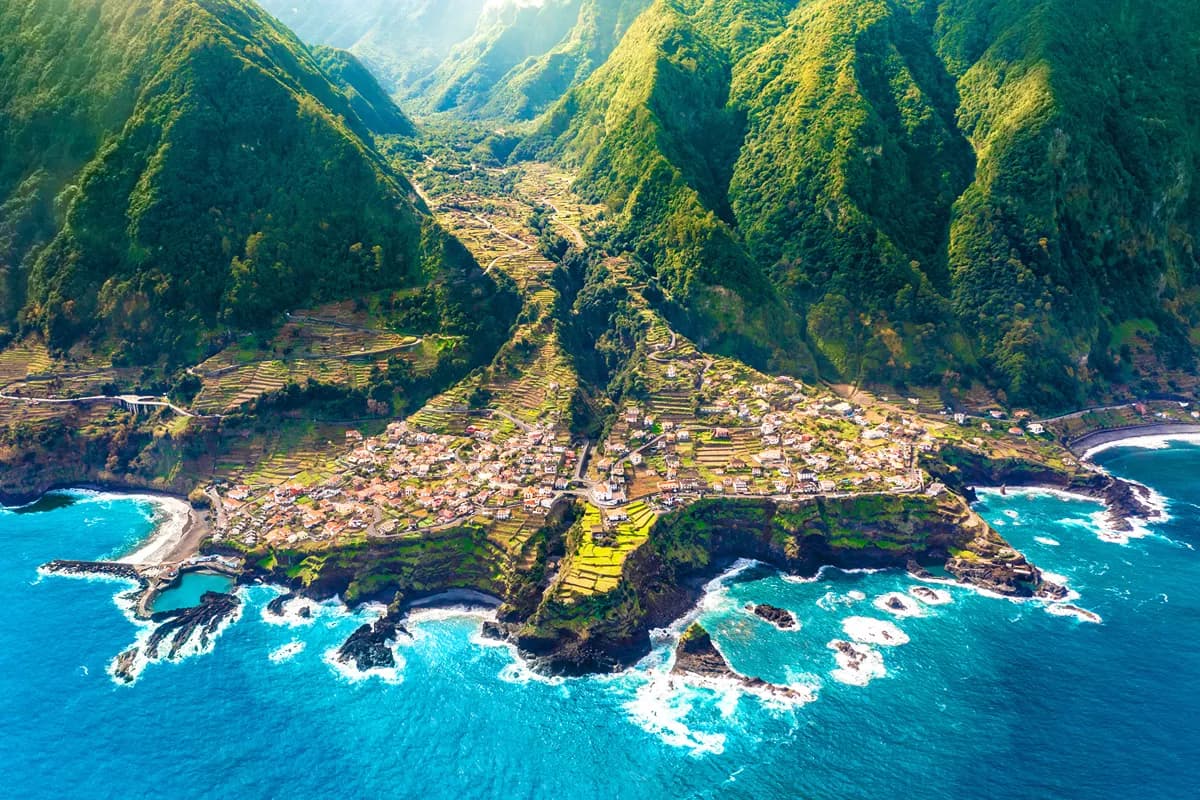
Madeira’s dramatic natural landscape and its position deep in the Atlantic make it feel far removed from mainland Portugal. Yet the archipelago is an autonomous region of Portugal, and Portuguese immigration and residence rules apply here just as they do on the mainland.
For people considering a move to Portugal, that makes Madeira a distinctive option. The same country where you can find the bustling cities of Lisbon and Porto, the golden beaches of the Algarve and the sleepy towns of the Silver Coast also hides a very different kind of life on an Atlantic island.
But living in Madeira is entirely different from visiting it.
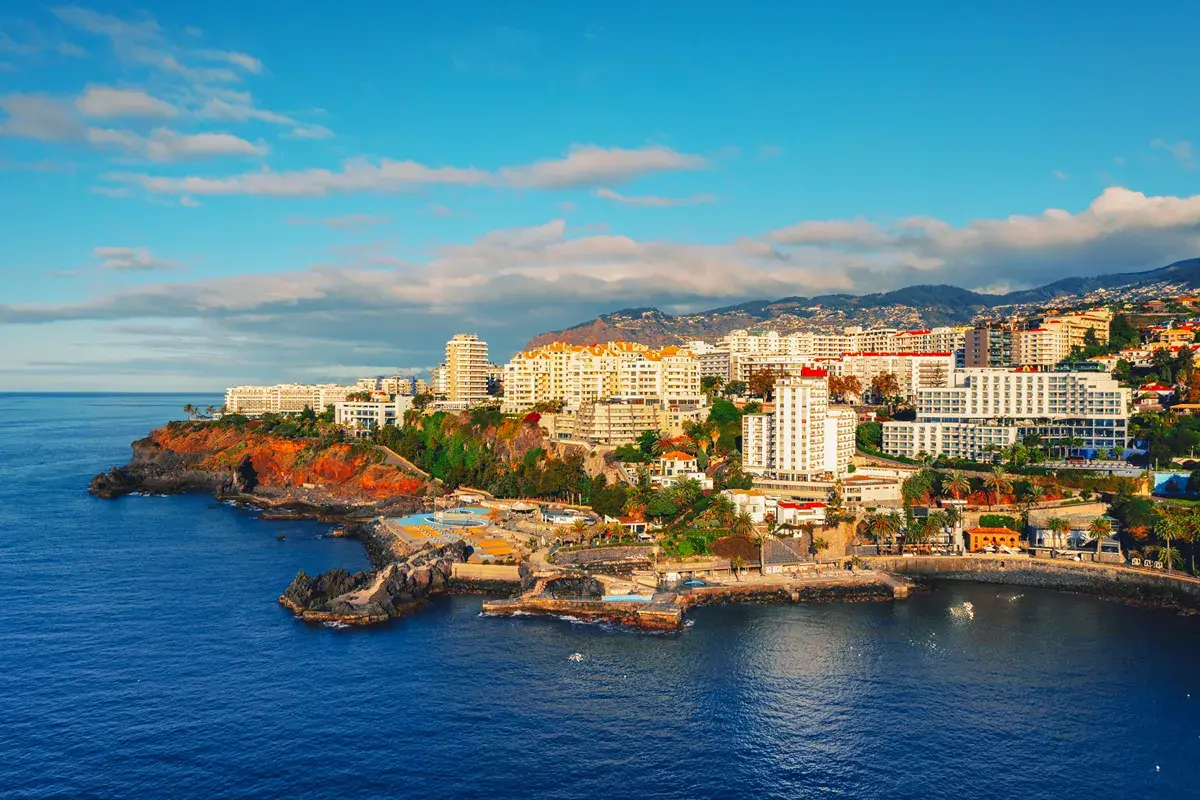
Madeira offers a mild climate, year-round access to the outdoors and a compact island environment, but choosing where to live requires thinking about considerably more than scenery.
Climate varies sharply across relatively short distances, many homes are built on steep terrain, services are concentrated around Funchal, and travelling beyond the island usually means flying.
This guide focuses primarily on Madeira Island and will:
assess Madeira as a realistic place to live;
explain the practical compromises involved in island life;
compare different areas and the lifestyles they suit;
identify what buyers should check before choosing a home.
Is Madeira a Good Place to Live?
If you prioritise a mild climate, access to nature and an outdoor lifestyle, and prefer a smaller-scale environment to a large city, Madeira represents an excellent quality of life and a way of living that feels distinct from mainland Portugal.
It may be less suitable, however, if you depend heavily on mainland mobility, a large employment market or immediate access to a very broad range of specialist services.
Madeira’s main strengths include:
a mild climate;
year-round outdoor living;
dramatic natural surroundings;
a compact scale;
the amenities and services available in Funchal;
established international and remote-working communities;
easy access to both the sea and the mountains;
direct air links to mainland Portugal and a range of international destinations.
Potential drawbacks include:
physical separation from mainland Portugal;
steep terrain in many areas;
greater dependence on a car outside the most central locations;
fewer specialist services outside Funchal;
high property prices in the most sought-after areas;
significant local variation in weather and microclimate.
Who Is Madeira Best Suited To?
Madeira has a very particular appeal, which means it can suit some lifestyles exceptionally well while being a less natural fit for others.
Retirees
A mild climate, a slower pace of life, easy access to nature and the island’s manageable scale make Madeira particularly appealing to retirees looking for something different from mainland Portugal.
However, proximity to healthcare, everyday services and transport should play an important role when deciding exactly where to live, particularly for anyone planning to remain on the island long term.
Remote Workers
Madeira can also be a strong fit for remote workers. When your job does not tie you to a particular city or employment centre, the island offers the possibility of combining work with a quieter lifestyle and easy access to nature.
The practical details still matter. Remote workers should check the quality of the internet connection at the specific property, consider whether they want access to coworking or other workspaces, and think realistically about how often they expect to travel off the island.
Families
Madeira may not be the most obvious choice for every family. The range of schools, specialist services and organised activities is smaller than in Portugal’s largest mainland cities, with many of the broadest choices concentrated around Funchal.
For parents who place greater value on outdoor living, a smaller-scale environment and easy access to the sea, forests and mountains, however, Madeira offers a distinctive setting in which to raise a family.
Families should investigate suitable schools and the practicalities of the daily school run before deciding where to live.
Second-Home Buyers
Madeira is an established choice for second-home and holiday-home buyers, but it is important to distinguish between a property that works well for occasional stays and one that remains practical throughout the year.
A secluded hillside home with dramatic views, for example, may be ideal for holidays but less convenient for everyday life if shops, services and other essentials always require a car journey.
Outdoor-Focused Buyers
For people who want nature to form a major part of everyday life, Madeira has an especially strong case. Hiking, the sea, mountains and a mild climate make outdoor activity possible throughout much of the year.
The trade-off is that choosing a quieter or more remote location means greater car dependence, fewer nearby services and more reliance on flights when travelling beyond the island.
Who May Prefer Mainland Portugal?
Madeira will not suit everybody.
Mainland Portugal may be a better fit if you:
travel frequently around Portugal or neighbouring countries by road or rail;
want access to a much larger employment market;
place a high value on the variety offered by a major city;
want a wider choice of places where living without a car is practical;
strongly prefer flat, highly walkable surroundings;
expect to travel away from home very frequently;
find the physical separation of island life restrictive.
What Is Everyday Life in Madeira Actually Like?
Scale
Madeira is compact enough that distances look insignificant on a map, but its rugged, mountainous terrain means that journey times and daily routines depend heavily on exactly where you live and where you need to go.
A short distance as the crow flies does not always translate into a short or simple journey. Elevation, winding roads and the location of major routes can make two apparently nearby places feel much farther apart in everyday life.

Funchal Versus the Rest of the Island
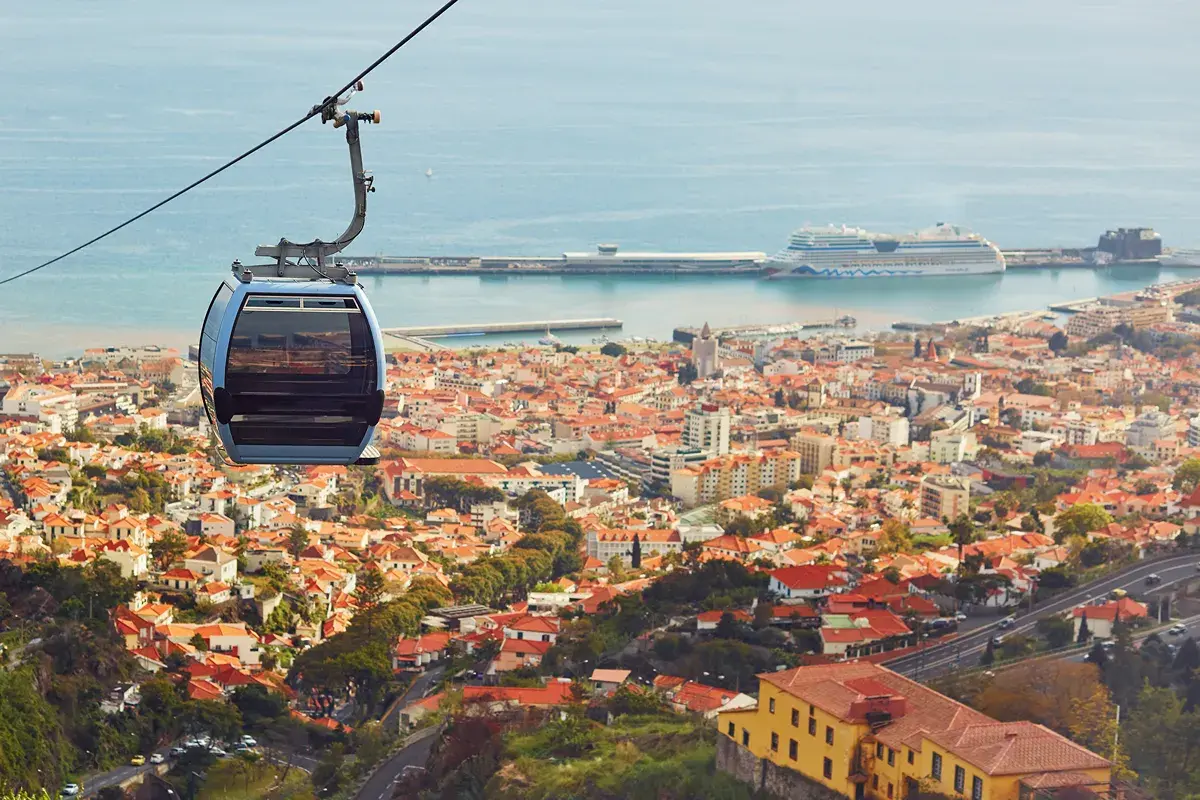
Funchal is Madeira’s main urban centre and offers the closest thing to conventional city living on the island, with the greatest concentration of shops, restaurants, healthcare, schools, services and cultural activity.
Outside Funchal and its surrounding urban area, life generally becomes quieter, more residential and more closely connected to the island’s natural environment. It also tends to become more car-dependent.
This is one of the most important trade-offs to understand before choosing where to live in Madeira.
How important is it to have shops, restaurants and essential services within walking distance? Would you be comfortable driving for everyday errands, or do you want more of daily life to happen on foot?
The answer might significantly narrow down which parts of Madeira are likely to suit you.
Daily Lifestyle
Daily life in Funchal and Madeira’s smaller towns shares many of the rhythms found elsewhere in Portugal: meeting friends at an outdoor café, shopping at a municipal market or local store, eating at neighbourhood restaurants and spending plenty of time outside.
What distinguishes Madeira is how closely nature is woven into everyday life. Residents can spend their free time walking routes alongside the island’s historic levadas, hiking in the mountains, swimming in the Atlantic or simply making use of the coast and countryside close to home.
The balance between urban convenience and access to nature changes considerably depending on where on the island you choose to live.
Seasonality
Tourism is an important part of Madeira’s economy, and visitor numbers can change how some parts of the island feel at different times of year.
Popular areas become noticeably busier during major travel periods, with more pressure on roads, parking, restaurants and coastal areas. Festivals and major events also temporarily transform parts of Funchal and other towns.
For permanent residents, this is less about deciding whether Madeira is “too touristy” and more about understanding how tourism affects the particular area they are considering.
Someone living close to central Funchal, a major attraction or a popular coastal area is likely to notice these changes much more than someone living in a quieter residential community.
What Is the Climate Like in Madeira?
Madeira is known for its mild climate, but weather can vary considerably across the island.
As a general rule, the south coast tends to be warmer and drier, while the north and higher-altitude areas are cooler, wetter and greener. Madeira’s steep terrain also creates local microclimates, so conditions differ noticeably over relatively short distances.
For anyone choosing where to live, climate should therefore be considered at a local level rather than assuming that every part of Madeira offers the same weather.
If sunshine is a priority, the south and south-west may be more appealing, while buyers who prefer cooler temperatures and greener surroundings may favour the north.
Property elevation and orientation also make a meaningful difference to sunlight, humidity and how a home feels throughout the year.

Do You Need a Car to Live in Madeira?
Whether you need a car in Madeira depends heavily on where you live.
In central Funchal, it is possible to manage much of everyday life on foot and by public transport, especially if you live close to shops, services and major bus routes.
Outside the main urban areas, however, a car quickly becomes much more useful. Madeira’s steep terrain, winding roads and dispersed residential areas can make short distances surprisingly difficult on foot, while some homes are located well away from everyday services.
For property buyers, this means looking beyond the distance shown on a map. A home may appear close to a town centre but still involve a steep climb, limited pedestrian access or an impractical route without a car.
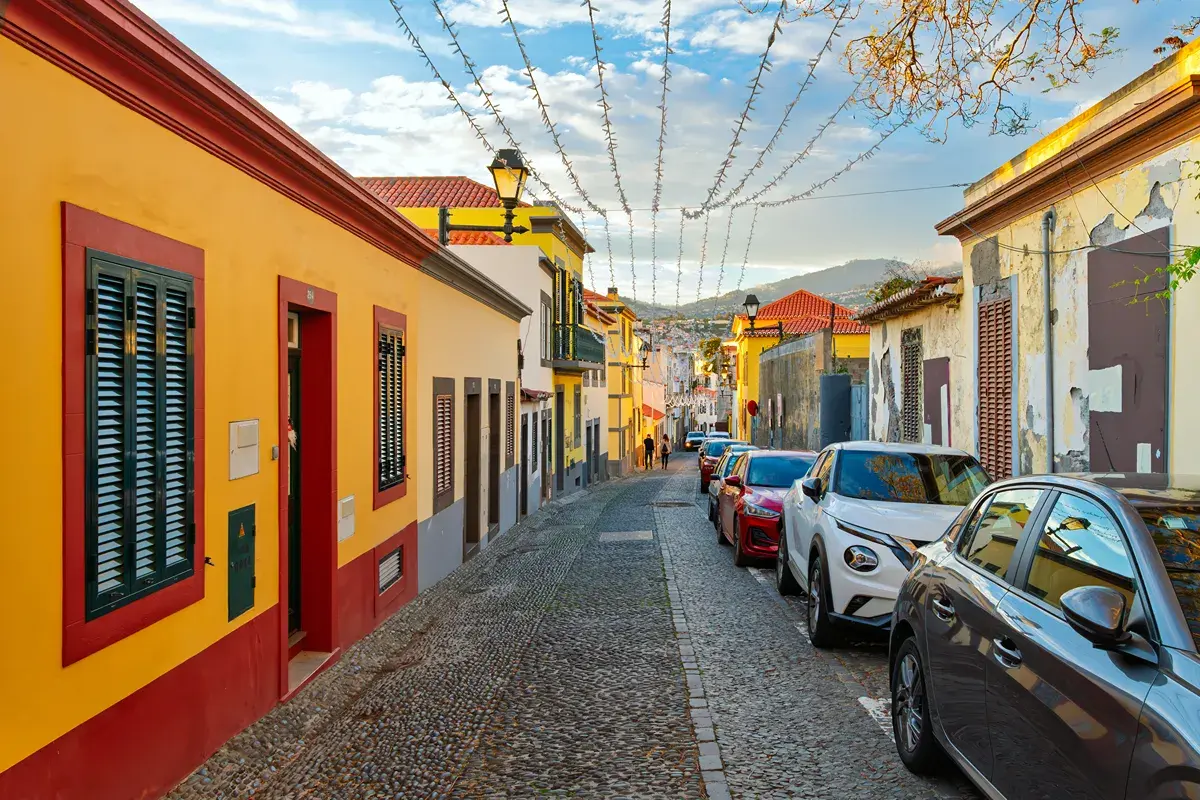
Parking is also worth checking carefully, particularly in Funchal and older, densely built areas.
In simple terms, living without a car is possible in parts of Madeira, but for many residents having one makes everyday life considerably easier.
What Are the Drawbacks of Living in Madeira?
Madeira’s island setting is part of its appeal, but it also creates some practical limitations.
Travel to mainland Portugal or elsewhere usually means flying, while the island has a smaller employment market and a narrower range of specialist services than Portugal’s largest cities.
Living outside Funchal may also mean travelling farther for particular appointments, purchases or other routine needs. Flight disruption carries more practical weight when air travel is your main connection to the mainland.
Away from the most central areas, daily life generally becomes more car-dependent, while steep terrain can make apparently short journeys inconvenient on foot. Parking and difficult property access also become recurring frustrations in some locations.
For some residents, Madeira’s compact, self-contained character feels peaceful. For others, its narrower range of choices and physical separation from the mainland can eventually feel restrictive.
These are not necessarily reasons to avoid Madeira, but they are important factors to consider before deciding whether island life suits you.
How Much Does It Cost to Live in Madeira?
Madeira should not automatically be considered a low-cost alternative to mainland Portugal, particularly when it comes to housing.
According to the latest local-level figures on house prices in Portugal, the median price of homes sold in Madeira reached €2,863 per square metre in the first quarter of 2026, compared with €2,337 per square metre across Portugal as a whole. Prices are also considerably higher in Funchal and other sought-after parts of the island.
Rent also represents a substantial expense, particularly in the more in-demand parts of Madeira.
Beyond housing, there is no single monthly budget that accurately represents life on the island. What you spend will depend heavily on where and how you live. A central Funchal resident who can walk or use public transport for much of daily life will have a very different spending pattern from someone maintaining a larger property in a more isolated location and relying on a car.
Groceries, utilities, restaurants and other everyday expenses should therefore be considered as part of your own budget rather than assuming that Madeira is either particularly cheap or particularly expensive across the board.
Many of the same considerations that affect cost of living in Portugal guide also apply in Madeira, while housing, location and transport requirements create significant differences between individual lifestyles.
Where Are Healthcare, Schools and Everyday Services?
Healthcare
As on the mainland, Madeira has a public healthcare system alongside private providers.
Primary healthcare is available through health centres across the island, while the main hospitals and much of Madeira’s specialist hospital care are concentrated in Funchal.
For people living farther away, this means longer journeys for certain appointments, diagnostics or specialist treatment.
This is worth considering carefully for retirees, families and anyone expecting regular medical care, as the location of a property can make a meaningful difference to day-to-day convenience.
The broader healthcare system in Portugal works in much the same way here, but geography should form part of the decision about where to live.
Schools
Schooling in Madeira follows the wider Portuguese education system, with public and private schools available on the island as well as a smaller number of international options.
The broadest choice is found in and around Funchal, particularly for families looking beyond their nearest local school or seeking international education.
For families considering a move, it therefore makes sense to identify suitable schools before choosing a property. Daily travel times, school transport and the practicality of the school run all influence which parts of Madeira are realistic places to live.
Families specifically considering international education can also explore our guide to the best schools in Portugal.
Shopping and Everyday Services
Shopping and everyday services are also most concentrated in and around Funchal, where residents have the widest choice of supermarkets, retail centres, restaurants, banks and professional services.
Smaller towns generally provide the essentials, but the range narrows as you move into more rural parts of the island. Depending on where you live, this might mean travelling farther for larger shopping trips or more specialist services.
For buyers considering quieter or more isolated areas, it is worth thinking beyond the property itself and checking how easily you can reach the places you are likely to use regularly.
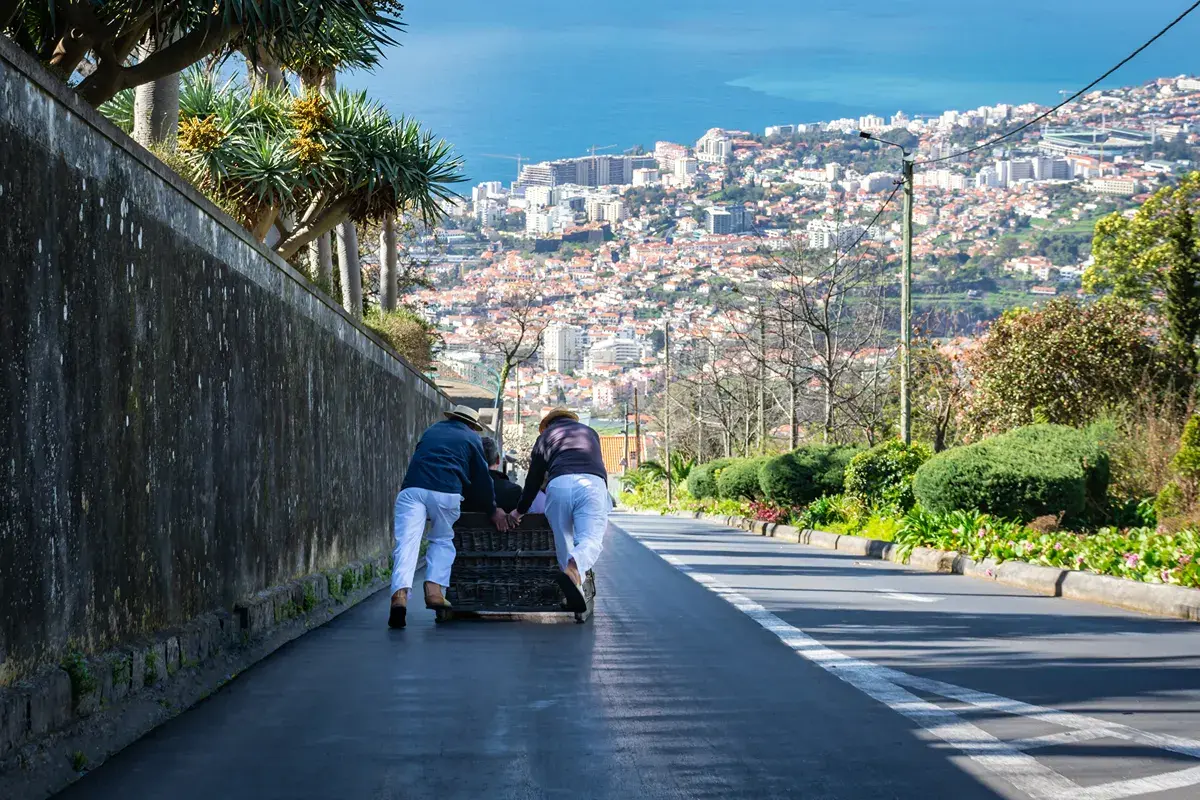
Space, privacy and scenery come with a greater reliance on driving for everyday errands.
What Should You Know Before Buying Property in Madeira?
Buying property in Madeira involves many of the same legal and financial steps as buying elsewhere in Portugal, but the island’s terrain and climate create some additional practical considerations.
Pay Attention to Elevation and Microclimate
Two properties that appear close together on a map can experience noticeably different conditions depending on altitude, orientation and exposure.
Before buying, consider how much direct sunlight the property receives, whether the area tends to be cooler or wetter, and how those conditions may affect outdoor space, comfort and maintenance throughout the year.
Check Road Access Carefully
Madeira’s steep terrain means access should never be taken for granted.
Some homes are reached by narrow roads, steep inclines or tight entrances that may be perfectly manageable for one driver but inconvenient for another.
Check how easy it is to reach the property, turn or park a car, receive deliveries and accommodate visitors rather than assessing access only during a single viewing.
Do Not Underestimate Gradients
A property may be geographically close to shops, restaurants or the coast while still being impractical to reach on foot.
This is particularly important for retirees, families with young children and anyone with mobility concerns. If walkability matters to you, experience the route yourself rather than relying on the distance shown on a map.
Treat Parking as Part of the Property
Parking makes a significant difference to everyday convenience, particularly in denser parts of Funchal and older neighbourhoods where street space is limited.
A private garage or parking space may therefore be considerably more valuable in practice than it first appears.
Consider Humidity, Exposure and Maintenance
Humidity, rainfall and exposure vary considerably by location in Madeira, and their effects also depend on the age, design and condition of a building.
Look carefully for signs of damp, water ingress or weather-related wear and make sure the property receives appropriate technical inspection where necessary, as well as some of the other practical details worth checking when viewing a home in Portugal, from natural light and damp to parking and the surrounding neighbourhood.
Where a home depends on retaining walls, slopes or other hillside structures, these should also form part of the technical assessment rather than being treated simply as part of the landscape.
Think Beyond the Holiday Experience
One of the easiest mistakes to make is choosing a home that works beautifully for a short stay but becomes inconvenient in everyday life.
A secluded villa with a dramatic sea view may be ideal for holidays but less practical if every shopping trip requires a car, the access road is difficult or essential services are far away.
For anyone planning to live in Madeira permanently, the right property should work not only when the weather is perfect and you are on holiday, but on an ordinary weekday in January.
Where Is the Best Place to Live in Madeira?
The best place to live in Madeira depends largely on the kind of lifestyle you want.
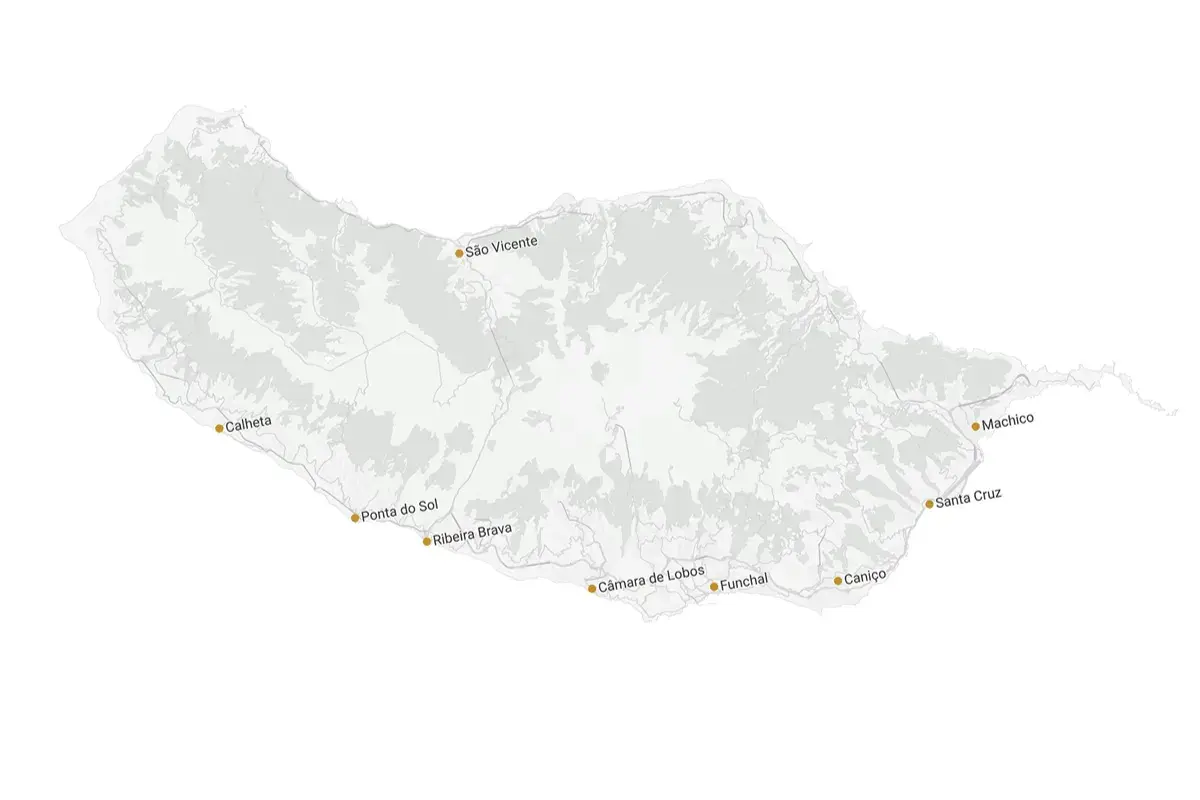
Funchal offers the greatest convenience and access to services, while smaller towns and more rural areas generally offer quieter surroundings, greater proximity to nature and, depending on the property, more space and privacy.
Funchal and São Martinho — Best for Convenience and City Life
Funchal is the strongest choice for anyone who wants easy access to shops, restaurants, healthcare, schools and other everyday services.
São Martinho, to the west of the city centre, offers a more residential setting while remaining close to much of Funchal’s infrastructure.
The trade-off is that these are among Madeira’s busier and more expensive areas, while traffic, parking and the precise location of the property make a significant difference to everyday life.
Caniço and Santa Cruz — Best for Connectivity
Caniço and Santa Cruz can work well for people who want relatively easy access to both Funchal and Madeira Airport without living in the centre of the capital.
They offer a more residential environment while keeping the island’s principal city and transport connections within practical reach.
Individual neighbourhoods vary considerably, however, particularly in elevation, walkability and access to everyday services.
Machico — Best for a Smaller, More Walkable Town
Machico offers an alternative for people who want a genuine town environment without living in Funchal.
Its centre provides shops, restaurants, services and access to the waterfront within a comparatively compact area, while Madeira Airport and the main road network are close by.
For buyers who want some degree of walkability but find Funchal too urban, Machico is worth considering. As you move away from the town centre and into the wider municipality, however, terrain and car dependency again become more important.
Ponta do Sol — Best for a Relaxed South-Coast Lifestyle
Ponta do Sol has developed a particular reputation among remote workers, while retaining the scale and character of a smaller Madeiran town.
Its south-coast location and slower pace suit buyers who prioritise outdoor living and community over immediate access to a large range of services.
A car becomes increasingly useful outside the town itself, and the exact elevation and location of a property substantially change the experience.
Ribeira Brava — Best for Practical South-Coast Living
Ribeira Brava offers a useful middle ground between Funchal and the quieter west of the island.
It has a compact town centre, everyday services and good road connections, making it a practical option for residents who want south-coast living without being based in the capital.
For some buyers, its appeal lies precisely in combining a smaller-town environment with relatively straightforward access to other parts of the south coast.
Calheta — Best for Villas, Space and Privacy
Calheta is particularly appealing to buyers looking for villas, outdoor space, privacy and sea views.
Its quieter and more dispersed character suits retirees, second-home buyers and anyone prioritising space and a slower pace over urban convenience.
That dispersion is also the principal trade-off. Many properties are located on hillsides or away from town centres, making car dependency, road access and elevation especially important considerations.
Câmara de Lobos — Best for Staying Close to Funchal
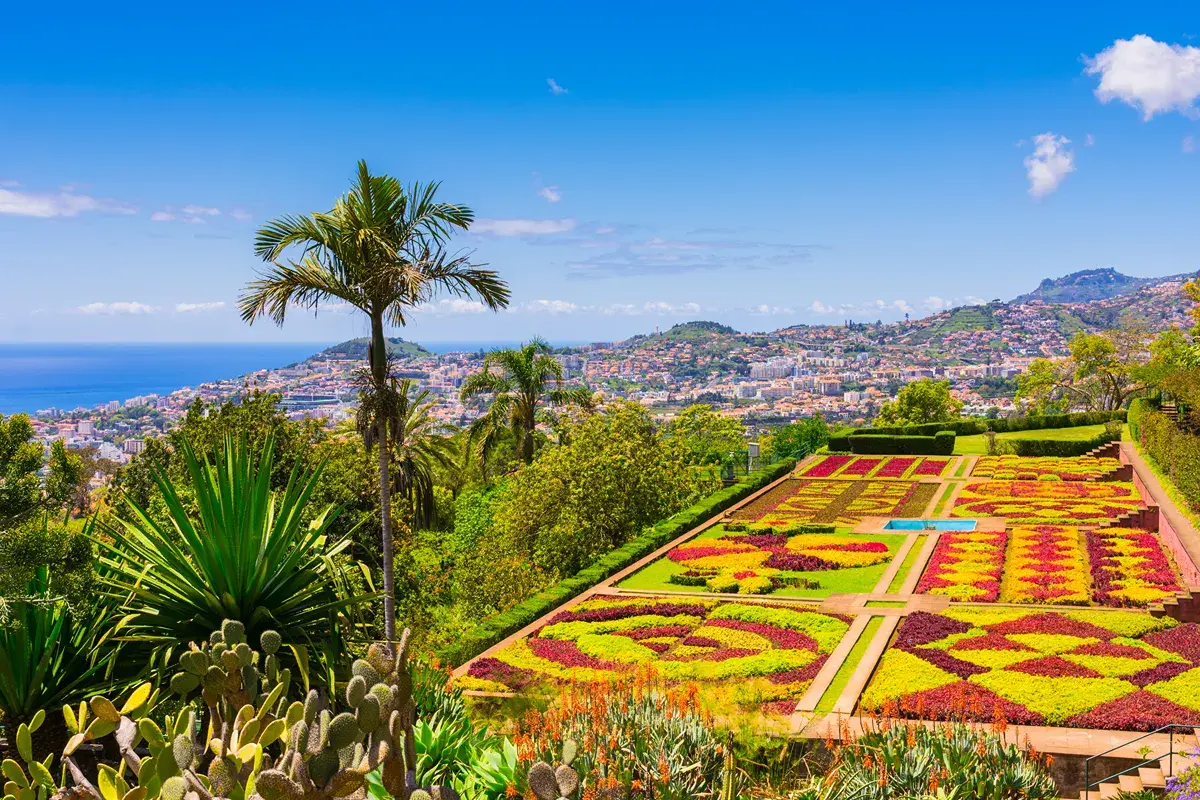
Câmara de Lobos suits buyers who want to remain close to Funchal while living somewhere with a more distinctly local and residential character.
Its proximity to the capital makes access to work, healthcare and other services relatively practical while offering a different atmosphere from the city itself.
The municipality covers very different elevations and environments, however, so conditions and accessibility can change quickly as you move inland or uphill.
São Vicente and the North Coast — Best for Nature and Rural Living
For people who prioritise greenery, dramatic scenery and a quieter environment, São Vicente and other parts of Madeira’s north coast are be among the island’s most appealing areas.
Life here tends to feel more rural and removed from the island’s main urban centre, with close access to mountains, forests and the coast.
The main compromises are a wetter climate, fewer nearby services and greater reliance on a car, particularly for anyone who needs to travel regularly to Funchal.
Ultimately, there is no single best place to live in Madeira. The right choice depends on how much you value convenience, walkability and access to services compared with space, privacy, scenery and a quieter lifestyle.
Madeira vs Mainland Portugal: Which Would Suit You Better?
Choosing between Madeira and mainland Portugal is less about which is objectively better and more about which environment fits the way you want to live.
Madeira May Suit You Better If…
Madeira has a particularly strong appeal if you prioritise nature, a mild climate and a smaller-scale lifestyle.
The island makes it possible to live close to both the sea and the mountains while still having access to the amenities of Funchal.
It may suit you especially well if you see Madeira’s relative isolation and compactness as part of the attraction rather than something to overcome.
The Algarve May Suit You Better If…
The Algarve offers some of the same qualities that attract people to Madeira, including a warm climate, coastal living and established international communities.
The major difference is connectivity. Living on the mainland allows you to travel elsewhere in Portugal or into Spain by road, making the Algarve a stronger option for anyone who wants a coastal, outdoor lifestyle without the geographical separation of an island.
Lisbon and Cascais May Suit You Better If…
Lisbon and Cascais are more natural choices if you prioritise employment opportunities, international transport connections, cultural variety and access to a broader range of services.
The trade-off is a more urban environment, greater population density and high housing costs in many of the most desirable locations.
The Silver Coast May Suit You Better If…
The Silver Coast may appeal to people looking for Atlantic coastal living, smaller towns and access to nature while remaining firmly connected to the rest of mainland Portugal.
It can be a particularly useful alternative for buyers attracted to Madeira’s quieter side but who place greater value on overland mobility and easy access to other Portuguese regions.
Ultimately, Madeira is at its strongest for people who see its island setting as an advantage rather than a compromise. If a compact, nature-oriented environment appeals more than easy access to the rest of Portugal, it offers a version of Portuguese life that the mainland cannot quite replicate.
Questions to Ask Yourself Before Moving to Madeira
Before deciding whether Madeira is right for you, it helps to look beyond the appeal of the island itself and consider how well it fits your everyday life.
Ask yourself:
How often will I need to travel to mainland Portugal or elsewhere?
Am I comfortable relying on a car for everyday errands?
How important is walkability to me?
Do I need to be close to healthcare, schools or other essential services?
Would I prefer the convenience of Funchal or the space and quiet of a smaller town or rural area?
How important are sunshine, temperature and local microclimate when choosing where to live?
Have I spent enough time in the exact area I am considering, including outside the main holiday periods?
Am I choosing a property because it works for everyday life, or because it feels ideal on holiday?
Would Madeira’s compact, self-contained character feel peaceful to me, or eventually restrictive?
There is no single right answer to these questions, but working through them should make it much easier to decide whether Madeira suits you and, if it does, which parts of the island are worth considering.
Finding the Right Home in Madeira
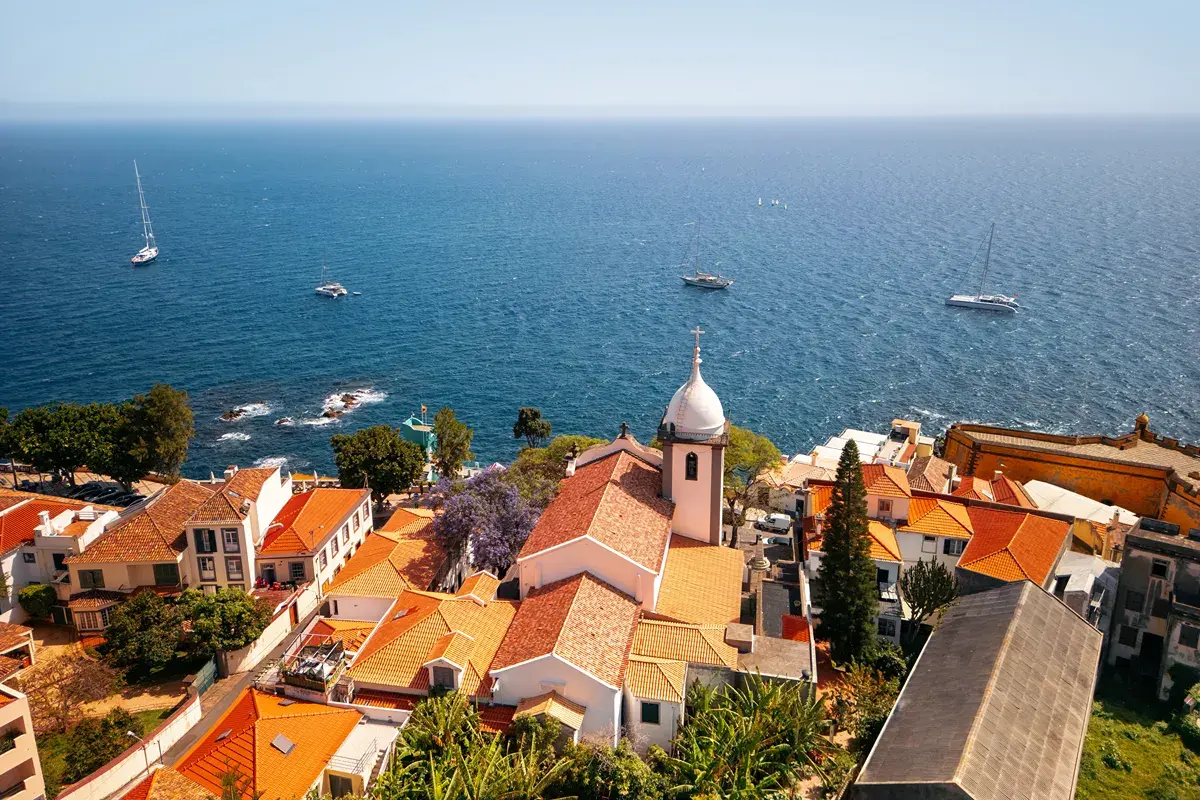
Finding the right property starts with deciding what kind of Madeira life you actually want.
Someone seeking walkability, schools and everyday services should approach the market very differently from someone prioritising privacy, views and outdoor space.
The right decision therefore involves more than finding a property you like. It means considering its location, elevation, access, surrounding services and how well it supports the way you expect to live throughout the year.
Portugal Homes can help you compare those factors and identify areas and properties that fit your lifestyle and longer-term plans.
Explore properties for sale in Madeira or speak to one of our property advisors about finding the right home for you.




Talk to one of our Real Estate Experts
Portugal Homes
Get the best property advice.