Article
Portugal Homes
Get the best property advice.
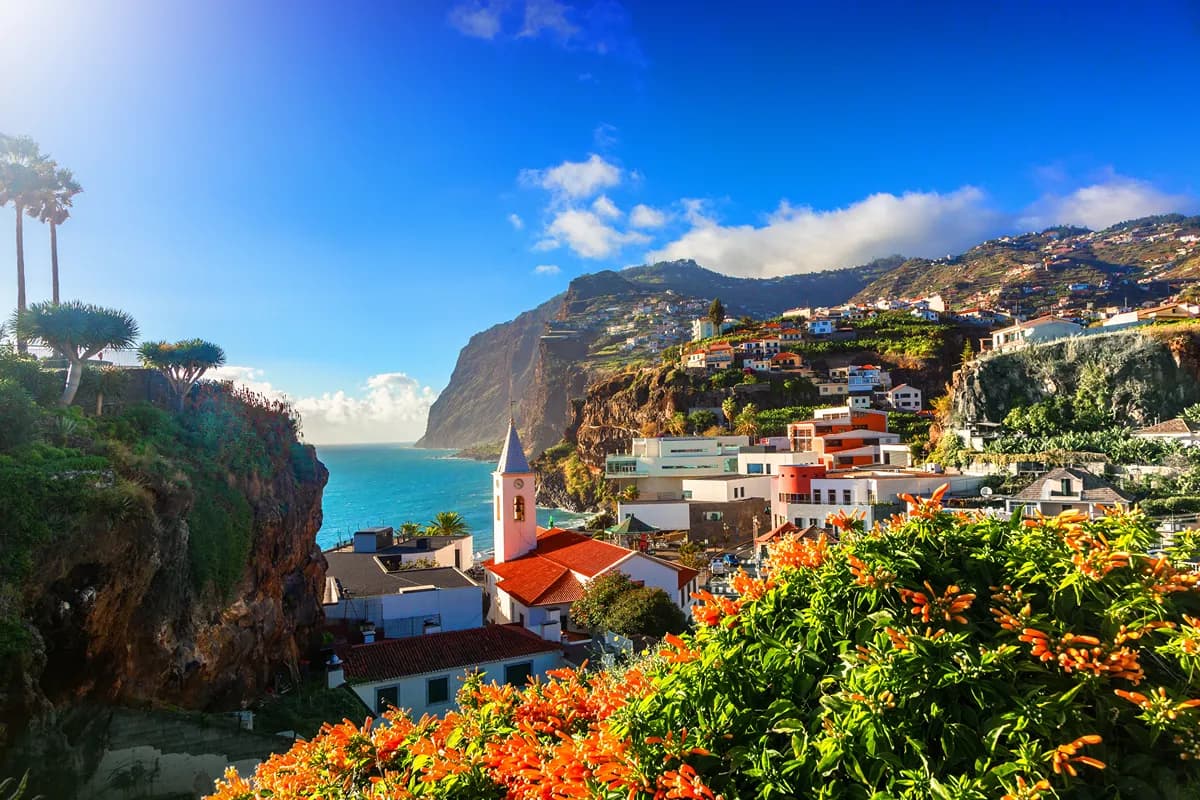
If by “the best weather” you mean warmer temperatures, more sunshine and less rain, the southern side of Madeira is generally the best bet.
The south and south-west are typically warmer and drier than the north of the island, with Funchal, Ponta do Sol and Calheta all worth considering if sunshine is high on your list of priorities.
However, Madeira’s mountainous terrain creates strong local microclimates. Elevation, exposure and even the position of an individual property can make a noticeable difference, so choosing the right part of the island is only the first step.
Is the South of Madeira Warmer Than the North?
Generally, yes. Official Madeira climate guidance describes the south as typically warmer and drier, while the north and mountainous parts of the island are more exposed to wind and rainfall.
Long-term climate observations also show a clear north-south difference in rainfall, with considerably more precipitation on the north coast at the same altitude. The Funchal area stands out as one of the warmest and driest parts of Madeira.
This makes the southern side of the island the natural starting point if your priority is warm, relatively dry weather.
For people thinking about living in Madeira, however, climate is only one part of the decision. Funchal, the smaller south-coast towns and more isolated hillside locations can offer very different lifestyles even when they share broadly similar weather patterns.
What Is the Weather Like on Madeira's North Coast?
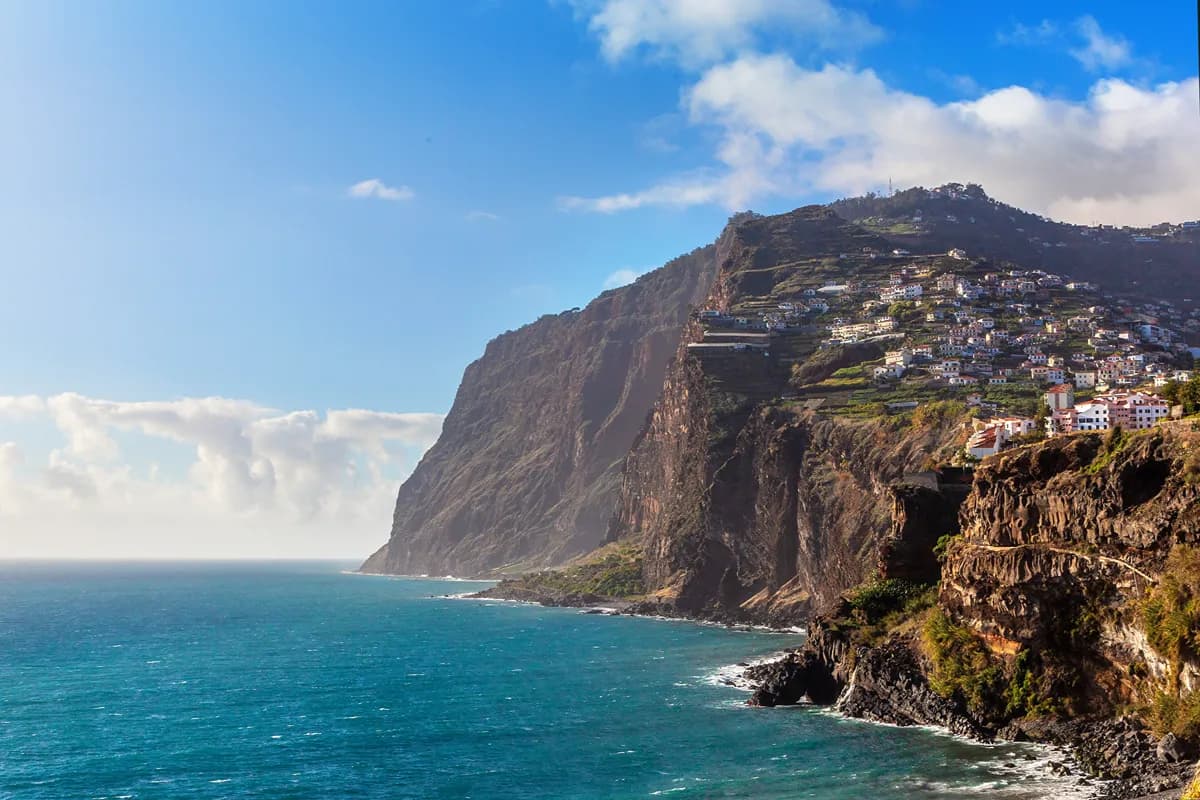
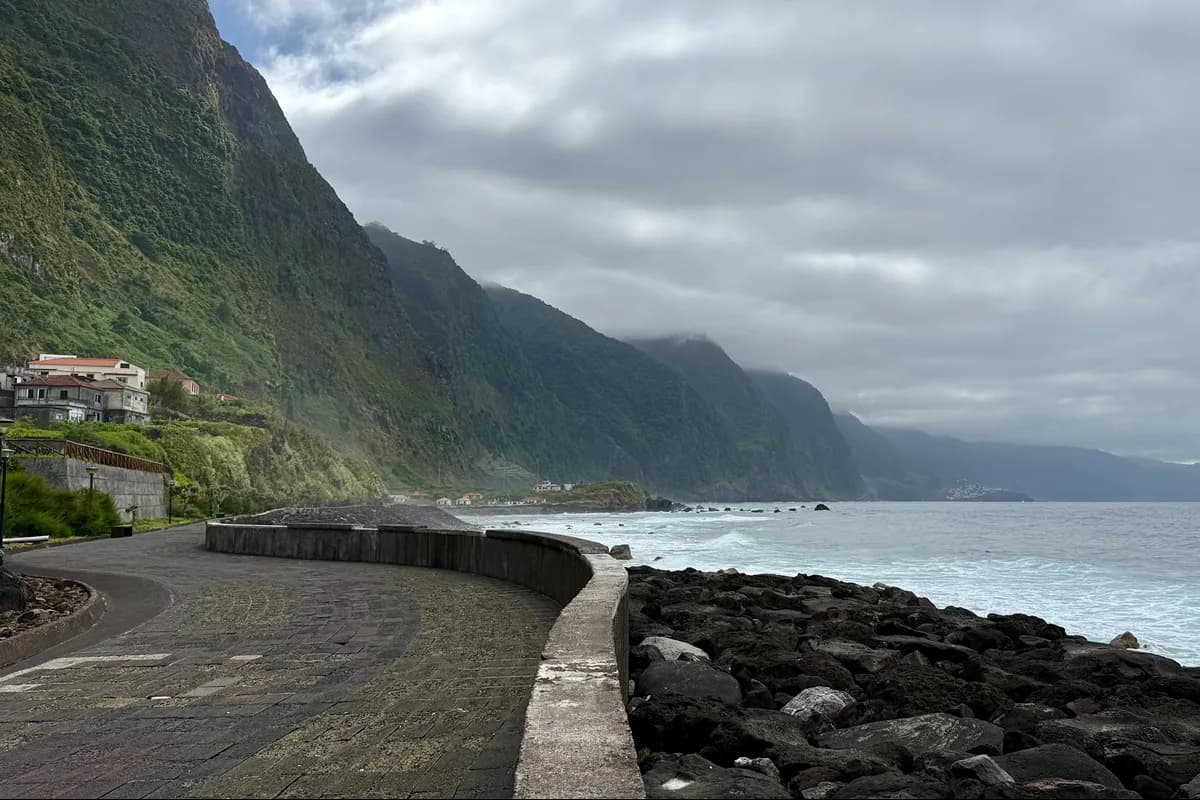
Madeira’s north coast is generally cooler, wetter and greener.
Places such as São Vicente receive more exposure to Atlantic weather and rainfall than the south, helping to create the lush landscapes for which this side of the island is known.
That does not necessarily mean the north has “worse” weather.
If you prefer greener surroundings, cooler conditions and a more rural atmosphere, the north may actually suit you better. Someone primarily interested in maximising sunshine, however, will usually find the south more appealing.
Does Elevation Affect Madeira's Weather?
Yes, and this is one of the most important things to understand when choosing where to live.
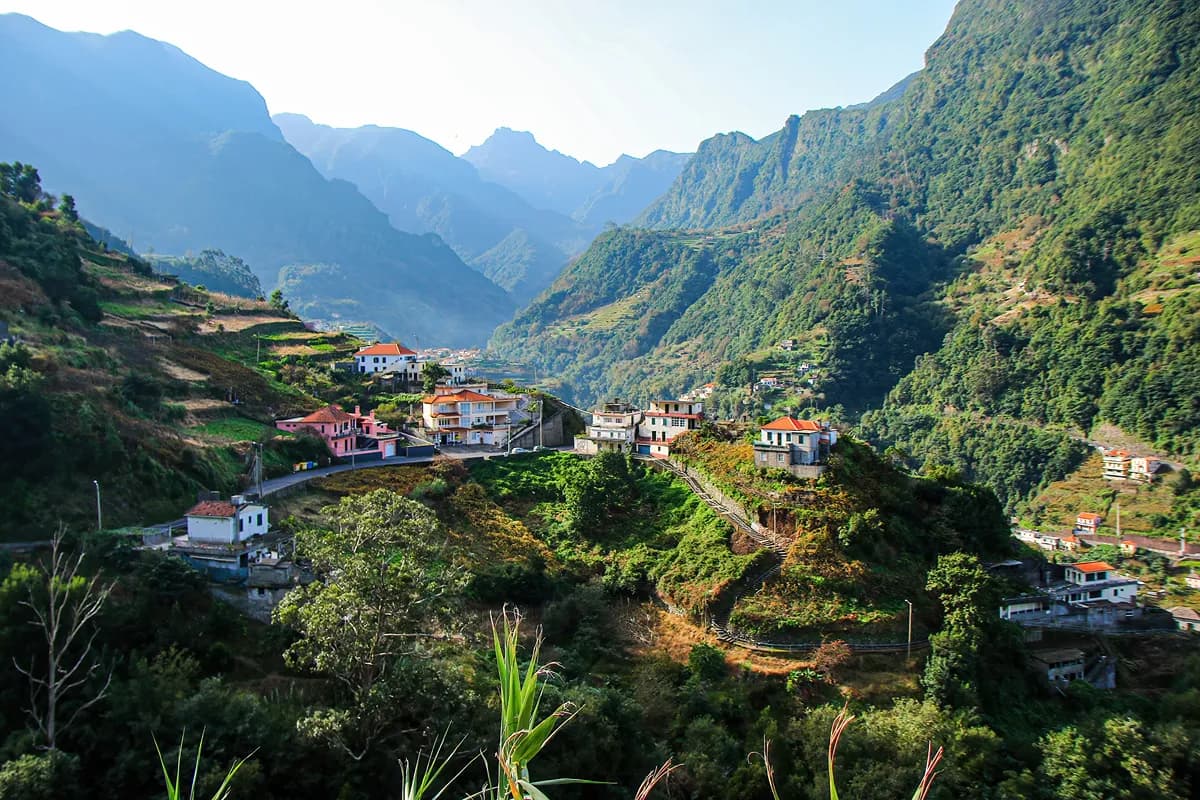
Temperatures generally become cooler as you move higher into Madeira’s mountains, while cloud, wind and rainfall can also increase considerably.
That means two properties within the same municipality can experience surprisingly different conditions. A home close to sea level may be warm and sunny while another several hundred metres higher up the hillside is sitting beneath cloud, even if both are on the island’s sunny southern side.
For property buyers, the name of the town or municipality therefore tells only part of the story. Make sure to check factors like the elevation, orientation and immediate surroundings of the individual property, particularly if sunlight and outdoor living are important to you.
Where Should You Live in Madeira for the Best Weather?
For most sun-seekers, the south and south-west of Madeira provide the strongest starting point.
Funchal combines generally warm, relatively dry conditions with the island’s widest range of services and amenities.
Farther west, Ponta do Sol and Calheta offer smaller-town and more dispersed residential settings while remaining on the generally warmer and drier side of the island.
If cooler temperatures and greener scenery appeal more, São Vicente and the north coast are worth considering instead.
There is no precise line separating Madeira’s different climates, and there is no guarantee that two nearby properties will experience exactly the same conditions. The most useful rule is simple: choose the broad area first, then investigate the microclimate of the exact location before you buy.
Find Your Home in Madeira
Thinking about making Madeira your home? Explore properties for sale in Madeira or speak to a Portugal Homes property advisor about finding the area and property that best fit the lifestyle you want.




Talk to one of our Real Estate Experts
Portugal Homes
Get the best property advice.