Regional & Lifestyle Spotlights
Portugal Homes
Get the best property advice.
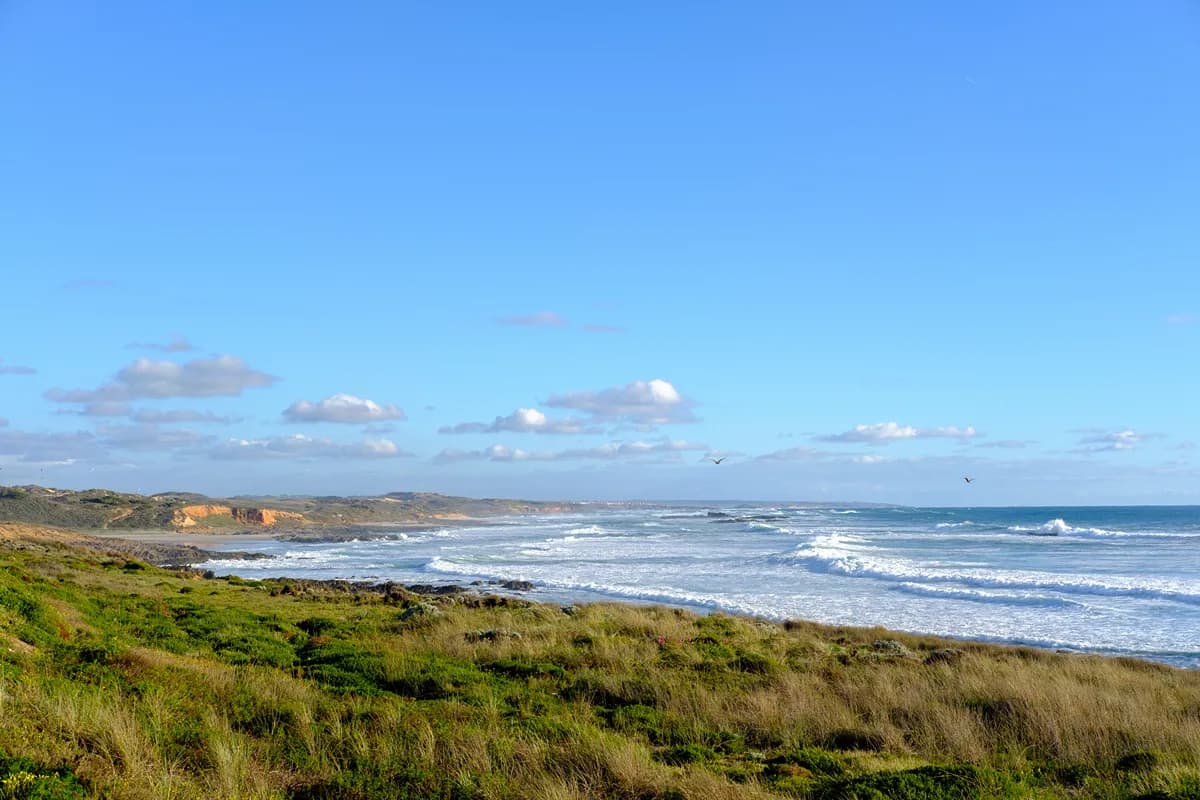
Choosing between the Alentejo coast and inland Alentejo means choosing between two quite different parts of the region.
The coast has a stronger Atlantic influence, higher property prices in several key locations, and easier access to Lisbon from areas such as Alcácer do Sal and Comporta. Inland Alentejo is hotter in summer and has a much larger rural property market, with farms, montes, estates, and homes with substantial amounts of land.
The wider Alentejo includes both, so understanding this distinction is a useful first step before narrowing your property search.
Is the Alentejo Coast Cooler Than Inland?
Summer conditions are one of the clearest differences.
Inland areas around Évora and Beja experience very hot, dry summers. Average daytime maximum temperatures in both locations exceed 33°C in July and August.
Closer to the Atlantic, maritime influence generally moderates summer temperatures. This doesn’t make the Alentejo coast cool in summer, but it does reduce some of the extreme heat associated with the interior.
For someone buying inland, summer conditions also make features such as shade, insulation, cooling, and outdoor orientation more important when assessing a property.
These regional differences form part of the wider variation in Portugal’s climate.
Where Are Property Prices Higher?
The Alentejo coast generally commands higher property prices, although a simple coast-versus-inland comparison doesn’t tell the whole story.
In the first quarter of 2026, the median transaction price in Alentejo Litoral was €2,084/m², compared with €1,226/m² in Alentejo Central.
At municipal level, the contrast can be even greater. Grândola, which includes the Comporta area, recorded €2,533/m², more than twice the €1,252/m² recorded in Beja.
Inland doesn’t automatically mean inexpensive, however. Évora recorded a median transaction price of €2,255/m², putting it much closer to Grândola than to Beja.
The figures show why a single “Alentejo property price” isn’t particularly useful. A property around Comporta, an apartment in Évora, and a rural home outside Beja belong to very different markets.
Current house prices in Portugal provide a wider comparison between regions and municipalities.
What Kind of Property Can You Find?
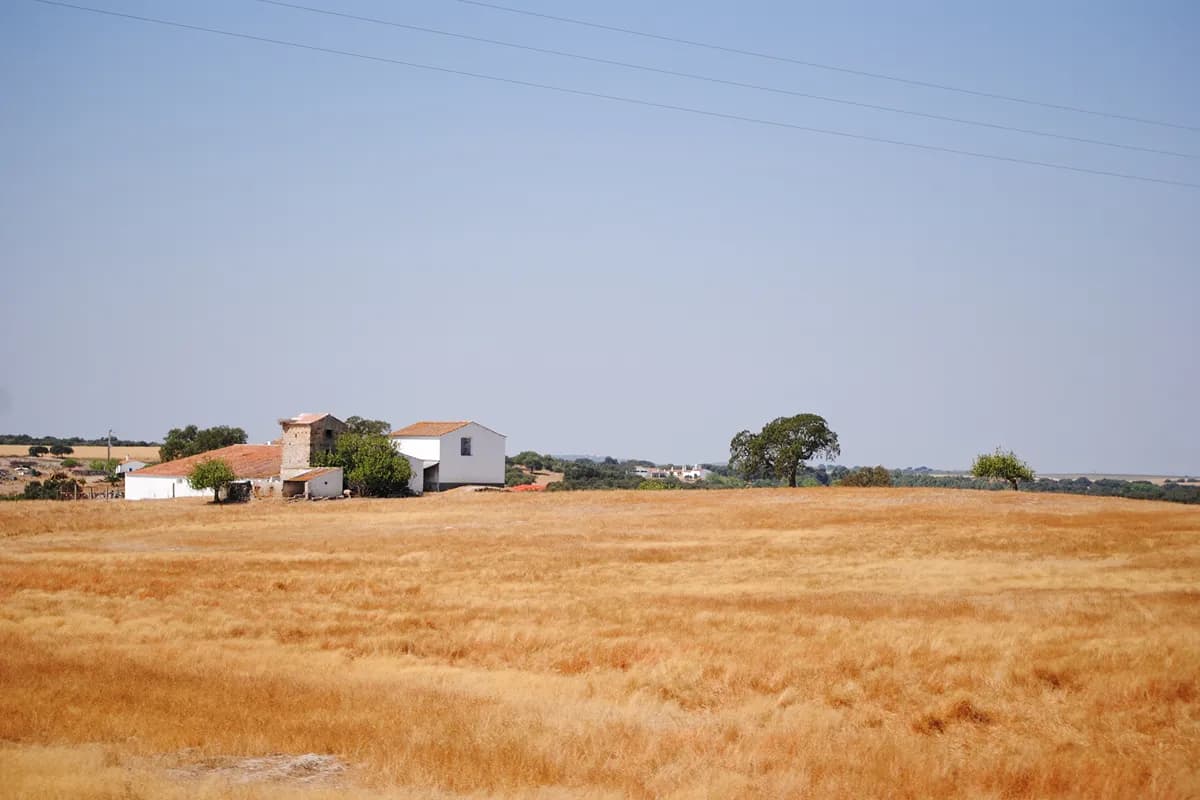
Inland Alentejo is an easier place to find properties offering substantial land.
The market includes montes alentejanos, farms, country houses, estates, vineyards, and homes surrounded by agricultural land. Larger plots also bring additional questions around water, access, utilities, boundaries, and maintenance.
These become particularly important when buying rural property in the Alentejo.
The coastal market is different. Around Comporta and Carvalhal, contemporary villas and high-end second homes form a much more significant part of the market.
Places such as Alcácer do Sal offer another option, combining an established town with relatively easy access to the coast.
Which Has Better Access to Lisbon?
The northern Alentejo coast has an advantage for access to the capital.
Alcácer do Sal and the Comporta area keep Lisbon comparatively close, which can also make Lisbon Airport more practical for frequent international travel.
Évora remains one of the better-connected inland locations, but journey times increase as you move farther south, east, or away from the main road and rail routes.
For rural properties in particular, the distance to a major road can matter almost as much as the distance shown between towns on a map.
How Does Everyday Life Differ?
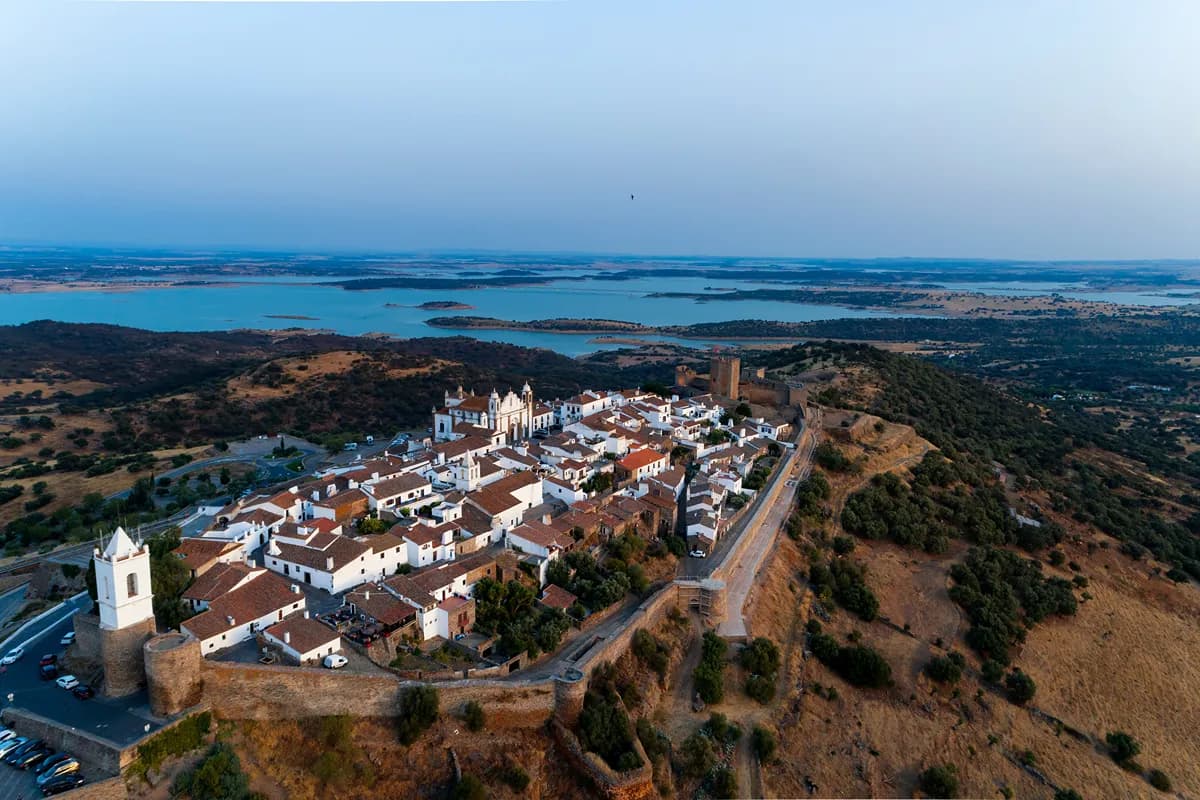
Popular parts of the Alentejo coast experience more seasonal tourism and second-home activity than most inland towns.
That can mean a noticeably busier atmosphere during summer and a quieter feel outside the main visitor season.
Inland centres such as Évora and Beja have more consistently year-round routines, while smaller villages and rural areas are less influenced by tourism altogether.
Car dependence can be significant in either setting. A central home in Évora or Alcácer do Sal may place everyday services within walking distance, while a property several kilometres outside a coastal or inland town can make driving part of almost every journey.
Coast or Inland Alentejo?
The coast-versus-inland distinction is useful, but it shouldn’t replace comparing individual locations.
Évora doesn’t have the same property market or daily routine as remote inland Alentejo, just as Alcácer do Sal and Comporta offer quite different versions of coastal living.
Climate, property prices, access, and the type of home available are better starting points than the coast or inland label alone.




Talk to one of our Real Estate Experts
Portugal Homes
Get the best property advice.