Portugal Homes
Get the best property advice.
Alcácer do Sal is one of the oldest cities in Europe, founded more than a thousand years before Christ. Its rich history, peaceful surroundings, and proximity to nature make it an ideal location for a property purchase in a calm and authentic setting.
Exploring Alcácer do Sal
Few people are aware that Alcácer do Sal is among Europe’s oldest cities. Founded over a millennium before Christ, the town is situated along the right bank of the Sado River and is one of Portugal’s most historically significant areas, particularly renowned for its vast rice fields.
Alcácer do Sal is the second-largest municipality in Portugal and is located in the northern part of the Alentejo region, close to the Atlantic coast. For centuries, salt production was the main driver of settlement in the area. From Phoenician times through the Roman Empire and up until the 18th century, salt was transported by galleons from dozens of salt pans.
Over time, many of these salt flats were converted into rice paddies, supported by an extensive network of irrigation channels supplied by the Pego do Altar and Santa Susana dams. Today, one historic salt flat remains in operation: Salina da Batalha, which is open to visitors through guided tours.
Overlooking the Sado Valley, a Moorish castle was built on the hilltop in the 12th century. It was later conquered by King Afonso II and incorporated into Portuguese territory.
Alcácer do Sal is also home to one of the most beautiful Pousadas de Portugal, offers stunning beaches just a few kilometres away, and is famous for serving what many consider the best wild boar steak in the country, alongside excellent seafood sourced from the Sado River.
Things to Do in Alcácer do Sal: Monuments and Places to Visit
Explore the Sado Estuary Nature Reserve
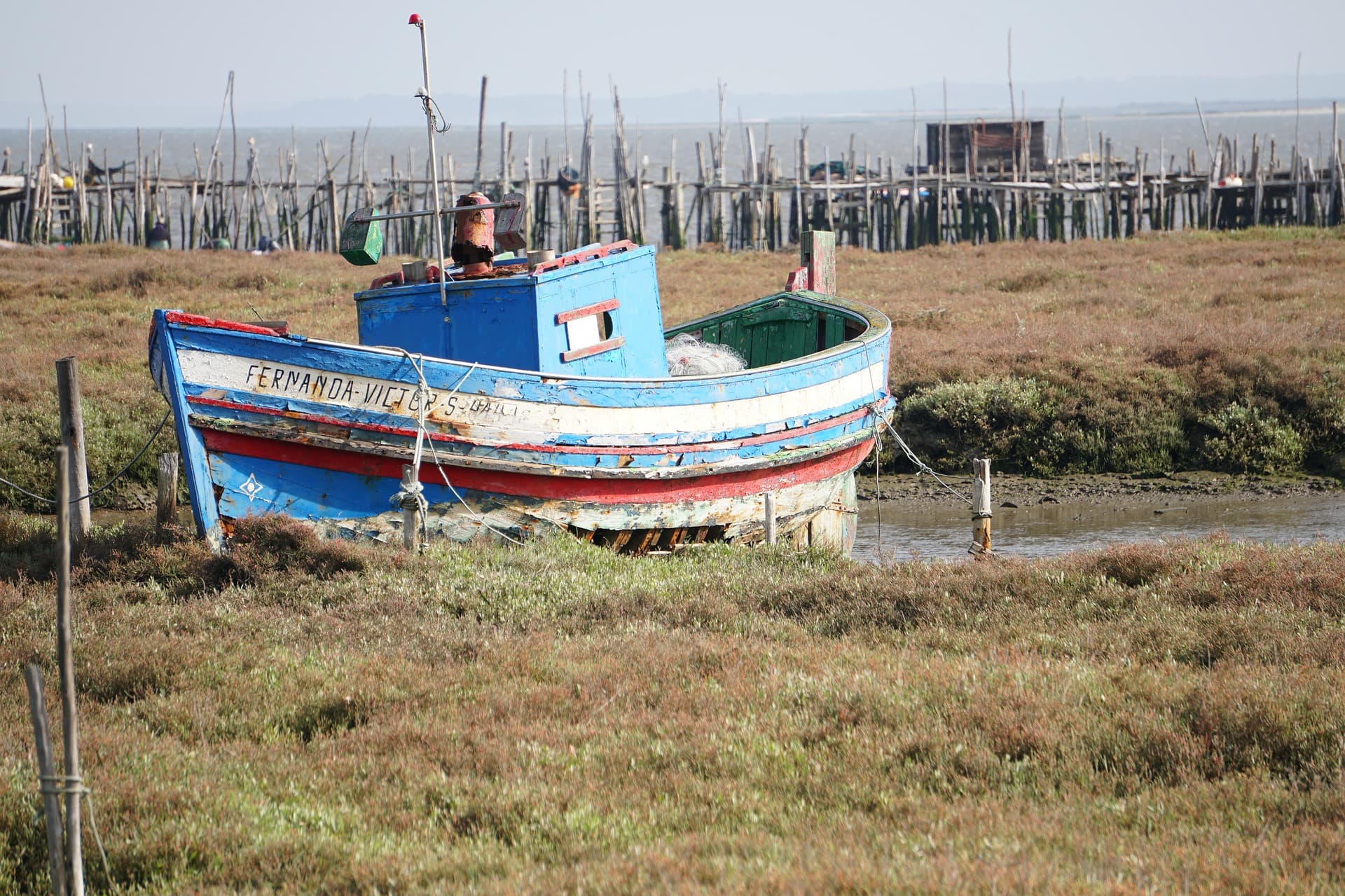
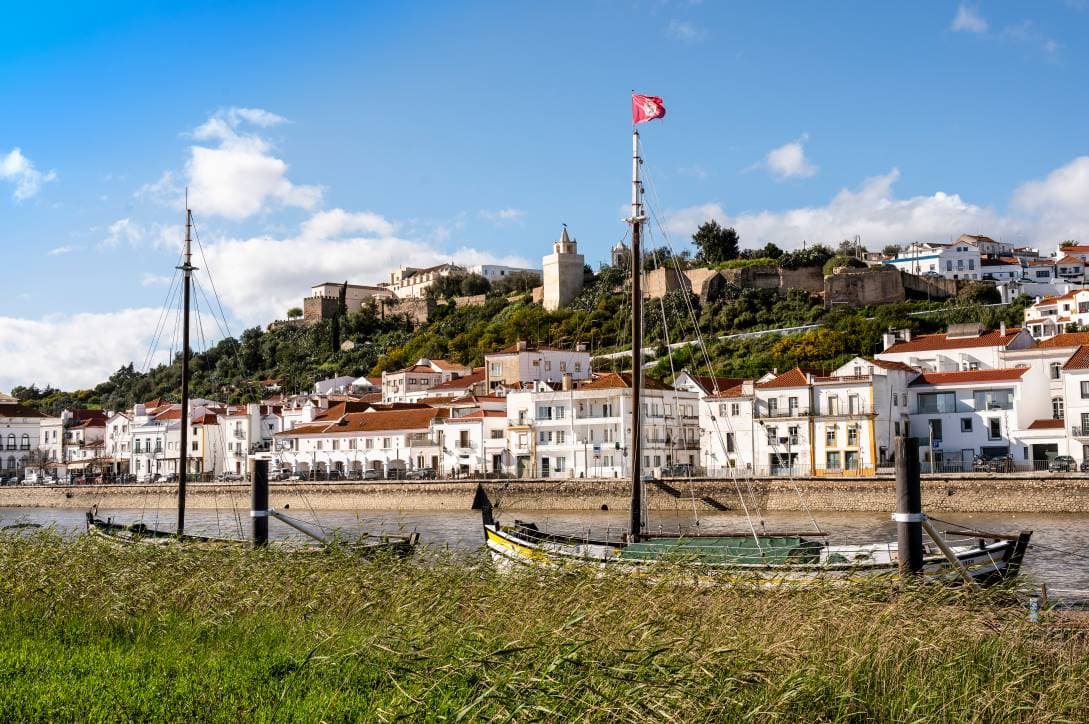
One of Alcácer do Sal’s main attractions is the boat trips along the southern bank of the Sado River, within the Sado Estuary Nature Reserve. Until the 18th century, this area was known for its exceptional salt production, which later gave way to extensive rice fields.
Of the fifteen traditional galleons believed to have survived until the late 1970s, only a few remain operational today. One of them, the Amendoeira galleon, has been preserved and is now used for sightseeing tours along the river.
These boat trips offer the opportunity to observe numerous bird species among marshlands and rice paddies. The reserve is also home to several threatened species, including otters and bats.
For dolphin watching in the Bay of Setúbal, as well as sightings of pink flamingos, herons, and ducks, visitors can opt for faster, more agile boats. These excursions typically accommodate up to 16 passengers and provide a closer encounter with wildlife.
Castle of Alcácer do Sal
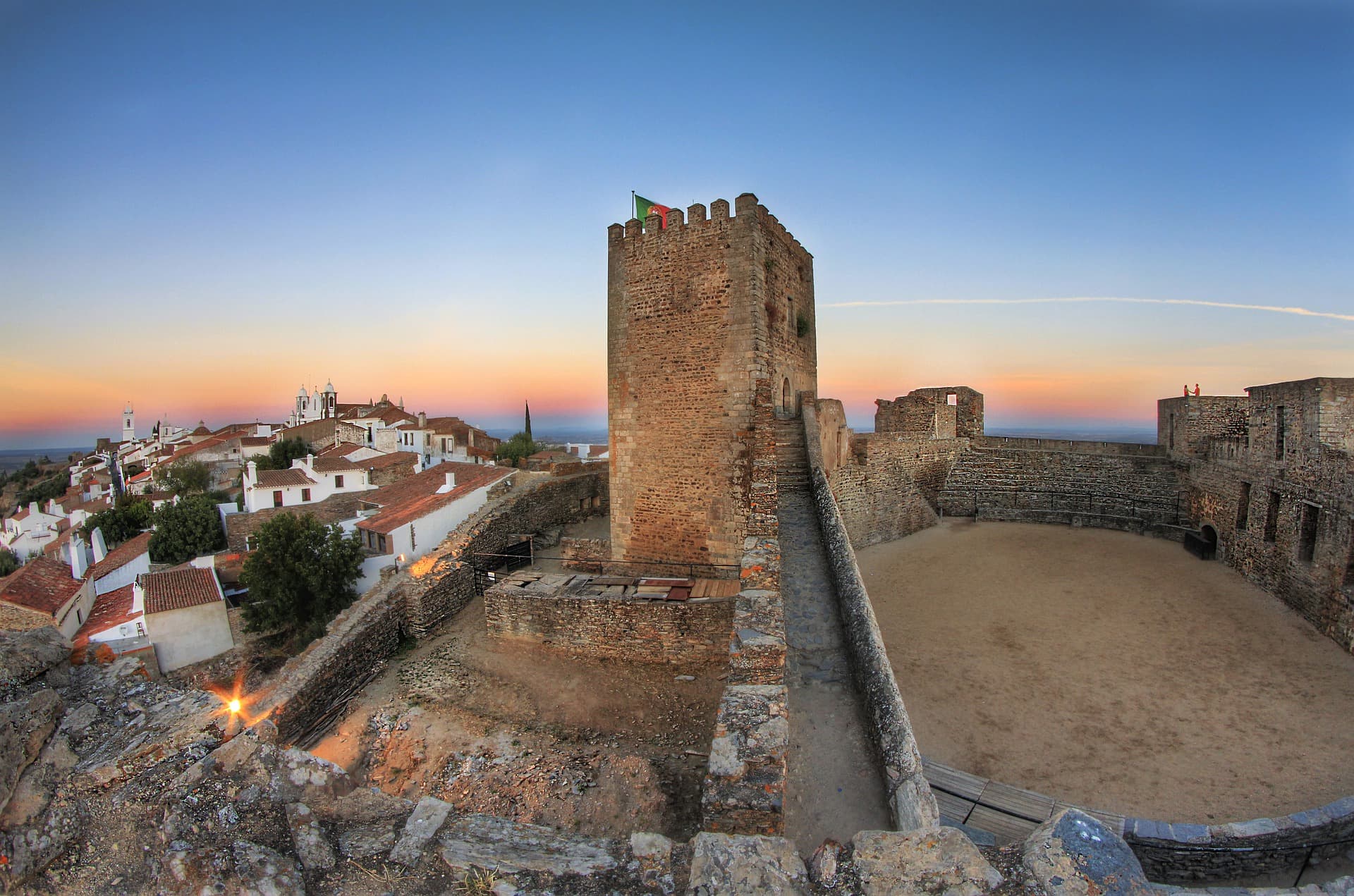
The Castle of Alcácer do Sal, located in the Setúbal District, is classified as a National Monument. The town’s name derives from the Arabic term Al-Kassr, meaning “castle,” highlighting the fortress’s historical significance.
Surrounded by two defensive walls, the castle complex includes a hotel that forms part of the Pousadas de Portugal network. Overlooking the Sado River, the hotel offers a unique stay and access to activities such as hunting, canoeing, horse riding, fishing, birdwatching, and golfing.
The castle also houses the Archaeological Crypt of the Castle of Alcácer do Sal, inaugurated in April 2008. Excavated beneath the fortress and the former Aracaelli Convent—now part of the D. Afonso II hotel—the museum presents archaeological remains spanning over 26 centuries, offering visitors a true journey through time.
Batalha Salt Pan
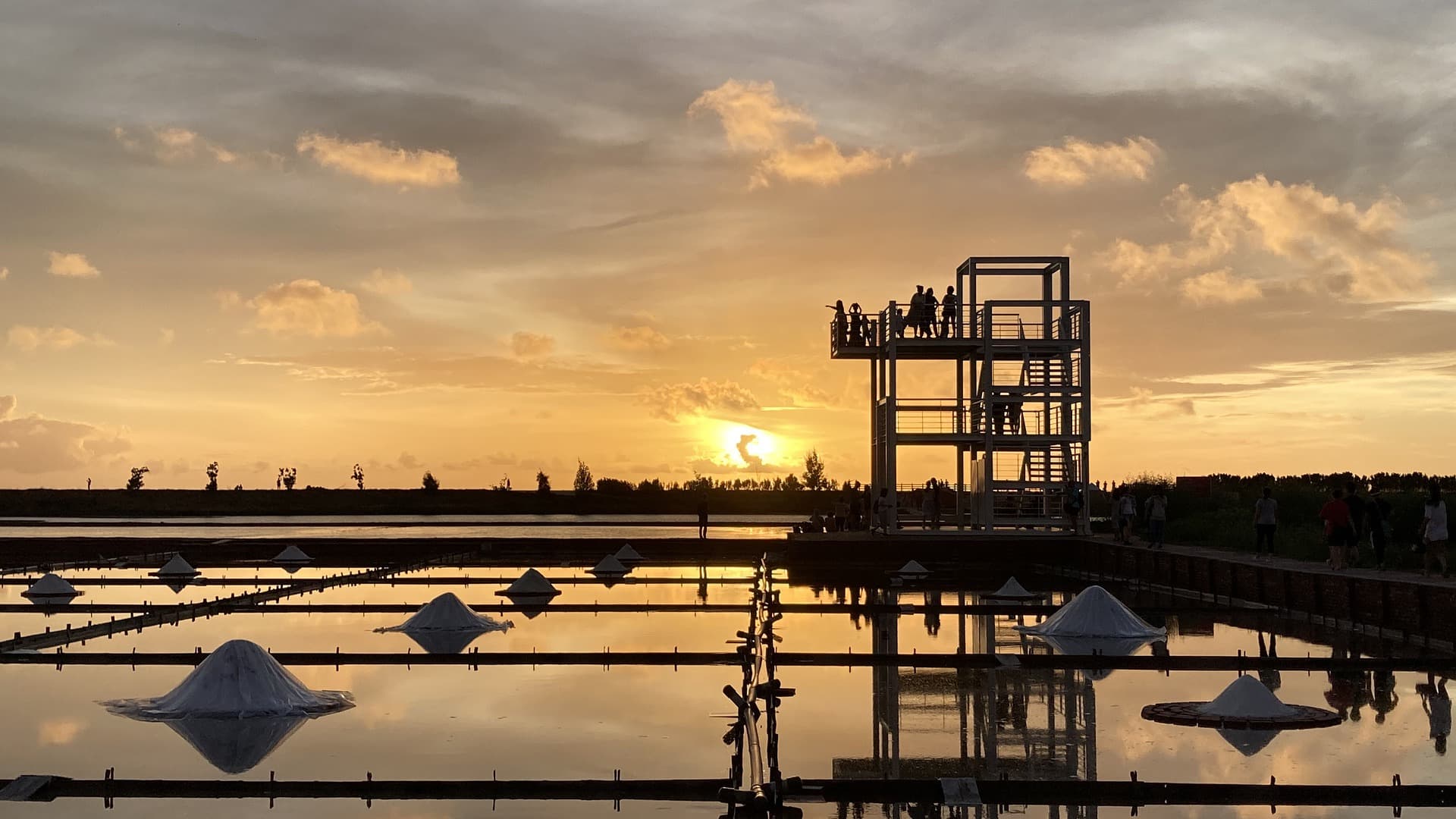
Visiting the Batalha Salt Pan, the only remaining salt flat in Alcácer do Sal, provides valuable insight into the salt production that shaped the town’s history and identity. Located on the left bank of the Sado River, the site explains the importance of Alcácer do Sal in regional salt production since Roman times.
Visitors learn about traditional salt-harvesting techniques and the historical connections between Alcácer do Sal and other salt-producing regions such as Aveiro and Murtosa, whose farmers brought similar methods to the area. During the visit, it is also common to see flamingos flying over the salt flats, creating a striking natural spectacle.
Brejos da Carregueira Beach
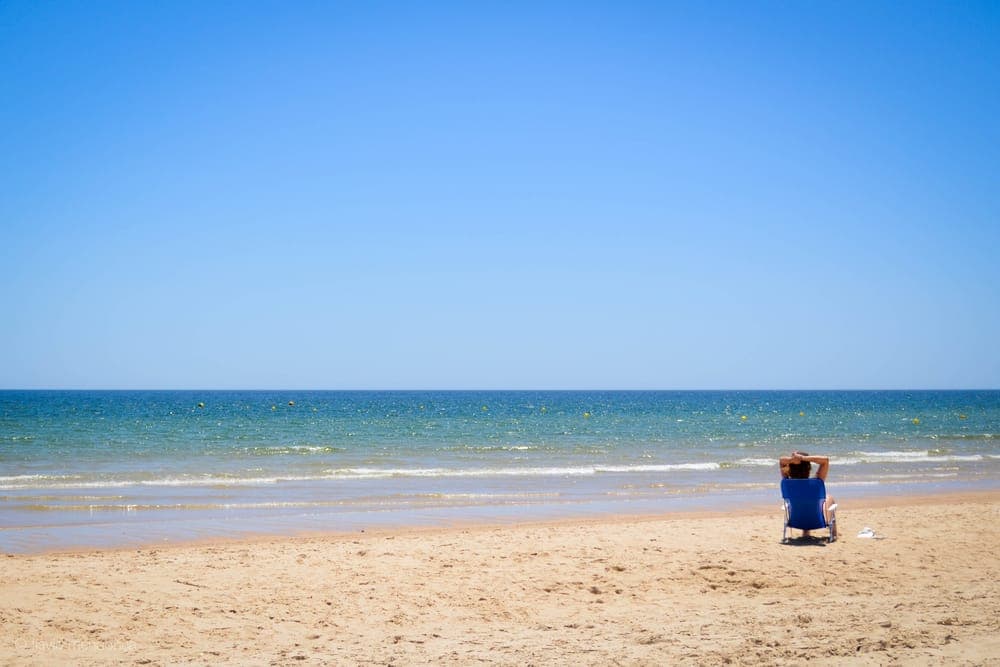
Located between Comporta and Carvalhal, approximately a 30-minute drive from Alcácer do Sal, Brejos da Carregueira Beach is ideal for those seeking a quiet and relaxing seaside experience. Hidden among rice paddies, access to the beach is limited, which helps preserve its peaceful atmosphere.
There are no bars or lifeguard services at this beach, but visitors are rewarded with a long stretch of unspoiled sand, crystal-clear waters, and one of the least crowded beaches in Portugal.
Santa Susana Village
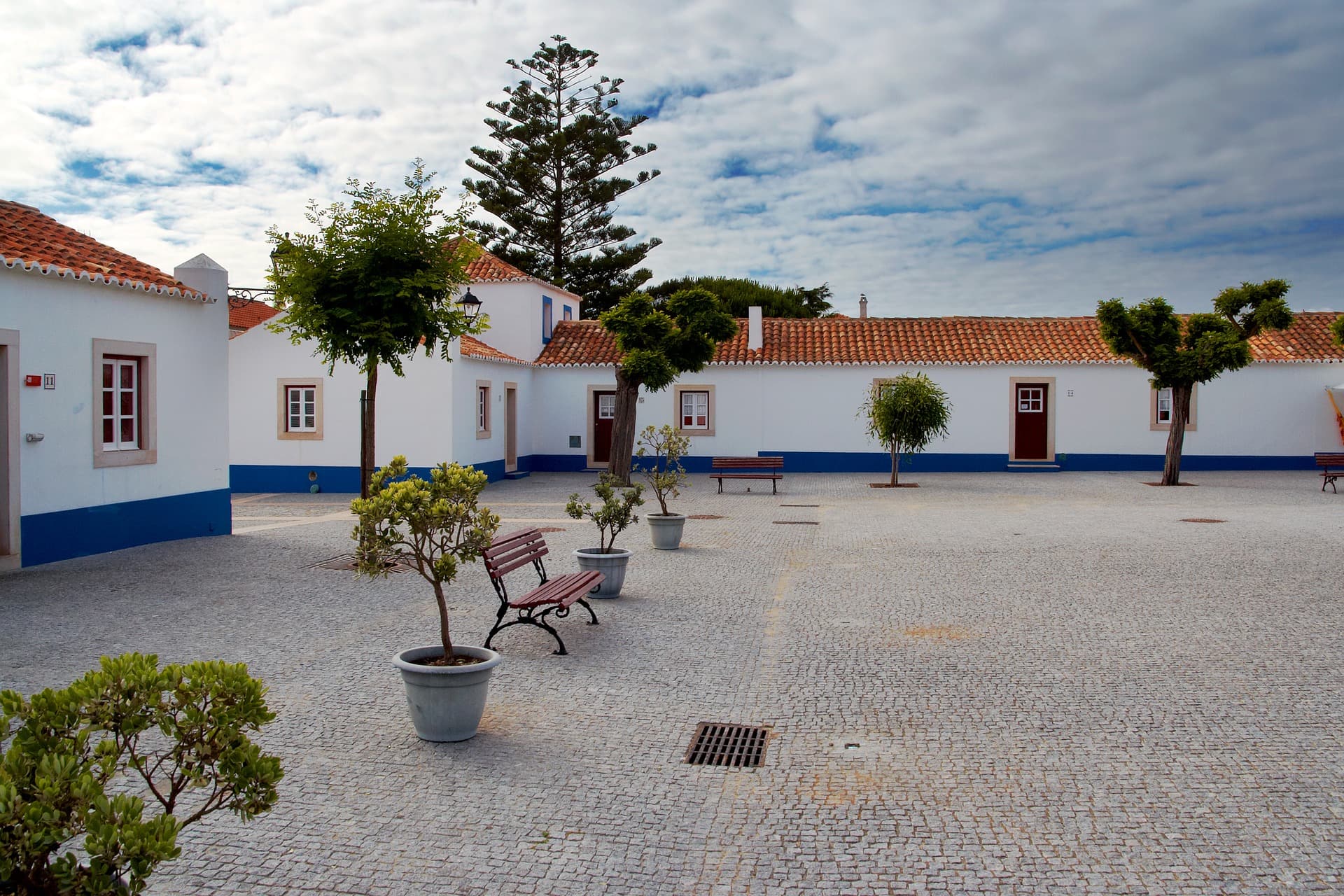
Just a 20-minute drive from Alcácer do Sal, Santa Susana is considered one of the most beautiful villages in Alentejo. Its uniform architecture is one of its most striking features: single-storey, whitewashed houses with blue trim around doors and windows, identical chimneys, and façades repainted every two years by residents.
Even uninhabited houses are maintained by neighbours, reflecting the pride locals take in preserving the village’s charm.
Key highlights include the 500-year-old Baroque Matriz Church, the 18th-century submerged Baroque bridge on the former road to Évora, the community-run Teatro Comunitário, and the Pego do Altar Dam.
Dining at A Mondina restaurant, located near the dam, is highly recommended. Popular dishes include feijoada, migas à alentejana, and fried rabbit.
Try Alcácer’s Traditional Dessert: Pinhoadas
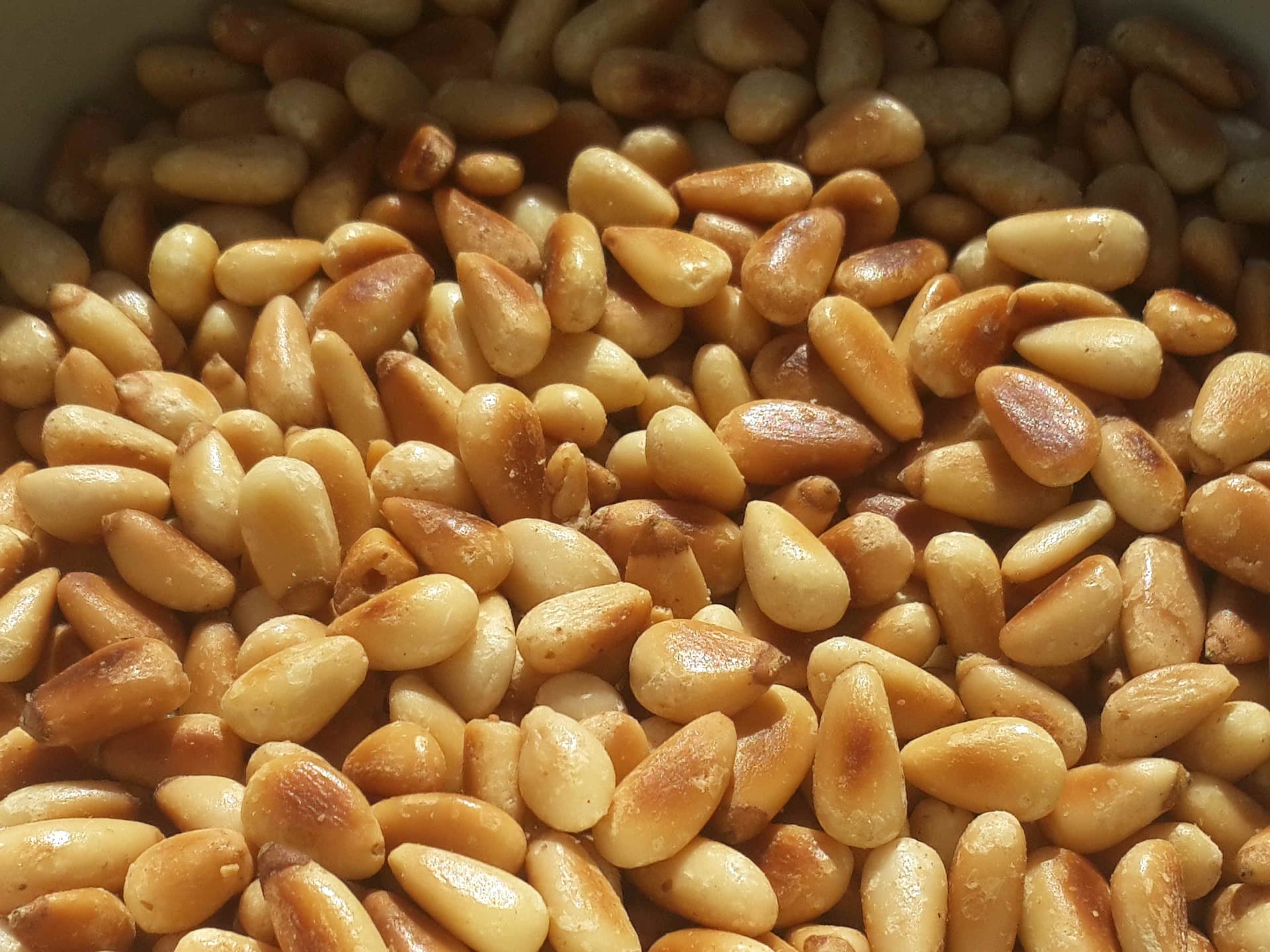
Pinhoadas are a traditional local sweet made from honey, sugar, and pine nuts. Pine nuts are a regional specialty, as the sandy soils around Alcácer do Sal are ideal for pine tree cultivation.
You can find pinhoadas in most cafés throughout the town or purchase them directly from well-known local producers, such as Casimiro Jerónimo, famous for pine-based sweets, and Aldegundes Freitas, renowned for its pinhoadas.
Local Information
Transportation
Until recently, getting around Alcácer do Sal was primarily done on foot or by car, as the town lacked public transportation for nearly a decade. This changed with the introduction of Nónio, a new urban transport system named in honour of the mathematician and astronomer Pedro Nunes.
The Nónio network serves the entire city, with a particular focus on the urban centre, making local travel more accessible.
Shopping
Visitors to Alcácer do Sal are often drawn to its strong tradition of locally made products and handicrafts. The town is especially known for its saddlery, where leather is used to produce shoes, wallets, suitcases, samarras, horse saddles, and hunting equipment.
Other traditional crafts include miniature figures depicting agricultural life, crafted from wood, metal, and cork, as well as woven mats and chairs. Many artisans continue to produce these handmade pieces today.
In addition, modern urban handicrafts have emerged, blending tradition with innovation. These include painted fabrics, ceramics and tiles, ironwork, and handcrafted jewellery.
Local grocery stores and markets are also worth exploring, offering high-quality regional products such as rice, salt, wines, olive oil, pine nuts, and more.
Airports
The most convenient airport for reaching Alcácer do Sal is Lisbon Airport. From Lisbon, visitors can travel to Alcácer do Sal by bus or train, though renting a car is the fastest and most flexible option.
The drive takes approximately one hour, following the A2 motorway for most of the route before switching to the IC1/N5 national road for the final section.
Train services operate from several Lisbon stations with multiple daily departures, while Rede Expressos provides frequent bus connections from Sete Rios Station.
Portugal Homes
Get the best property advice.