Article
Portugal Homes
Get the best property advice.
Every November, the smell of roasting chestnuts fills the streets of Portugal as the country prepares to celebrate São Martinho, or St Martin's Day.
Held annually on 11 November, São Martinho is one of Portugal's best-loved autumn traditions, bringing people together over roasted chestnuts, new wine and gatherings known as magustos.
From small village celebrations to centuries-old fairs, the occasion offers a glimpse into Portuguese culture and traditions at a time when the busy summer season is long over.
But what exactly is São Martinho, and why are chestnuts and wine such an important part of the celebrations?
What is São Martinho and why is it celebrated in Portugal?
São Martinho takes its name from St Martin of Tours, a fourth-century Roman soldier who later became a Christian bishop in what is now France.
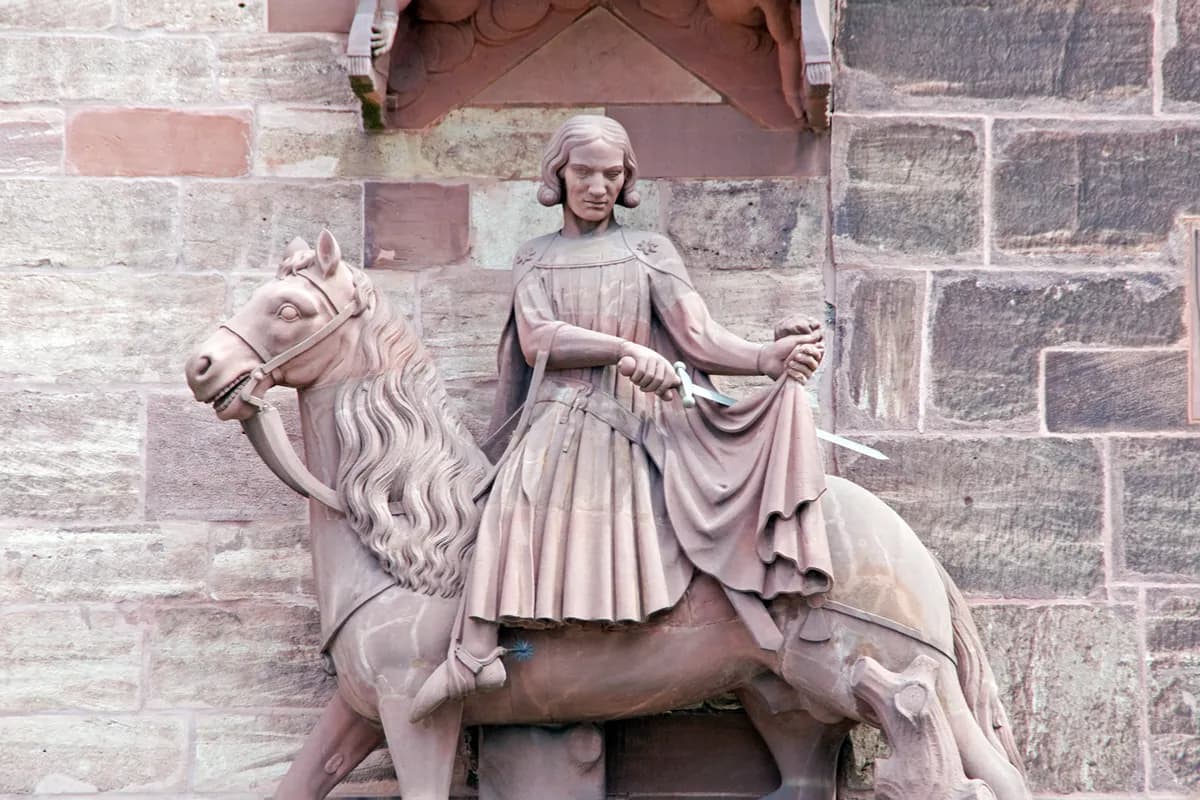
According to legend, Martin was riding on horseback on a cold, rainy day when he encountered a beggar with little protection from the weather.
Moved by the man's suffering, Martin drew his sword, cut his cloak in half and offered one piece to the beggar.
Shortly afterwards, the clouds parted and the sun began to shine, bringing an unexpected spell of warm weather.
The story became a symbol of generosity and compassion, and the sudden change in weather gave rise to one of Portugal's best-known autumn expressions.
Over time, St Martin's feast day became associated with seasonal celebrations, combining the religious tradition with customs surrounding the chestnut and grape harvests.
Although São Martinho is not a national public holiday in Portugal, it remains widely celebrated in schools, towns and villages throughout the country.
What is the verão de São Martinho?
One of the most distinctive traditions associated with the celebration is the verão de São Martinho, literally meaning "St Martin's summer".
According to Portuguese folklore, the sunshine that followed Martin's act of kindness returns each year around 11 November.
The expression describes a brief spell of mild, dry and sunny weather that can sometimes occur during November, offering a temporary break from the cooler and wetter conditions of autumn.
While this so-called Indian summer is far from guaranteed, the verão de São Martinho remains a familiar part of Portuguese culture.
It is also reflected in the popular saying:
No dia de São Martinho, lume, castanhas e vinho.
Translated as "On St Martin's Day, fire, chestnuts and wine", the proverb captures three of the celebration's most recognisable traditions.
The expression describes a brief spell of mild, dry and sunny weather that can sometimes occur during November, offering a temporary break from the cooler and wetter conditions of autumn in Portugal.
São Martinho traditions in Portugal
Although São Martinho has religious origins, the celebration today is largely associated with seasonal food, drink and social gatherings.
Many of its customs are closely connected to Portugal's agricultural calendar, particularly the autumn chestnut harvest and the production of new wine.
Magustos and roasted chestnuts
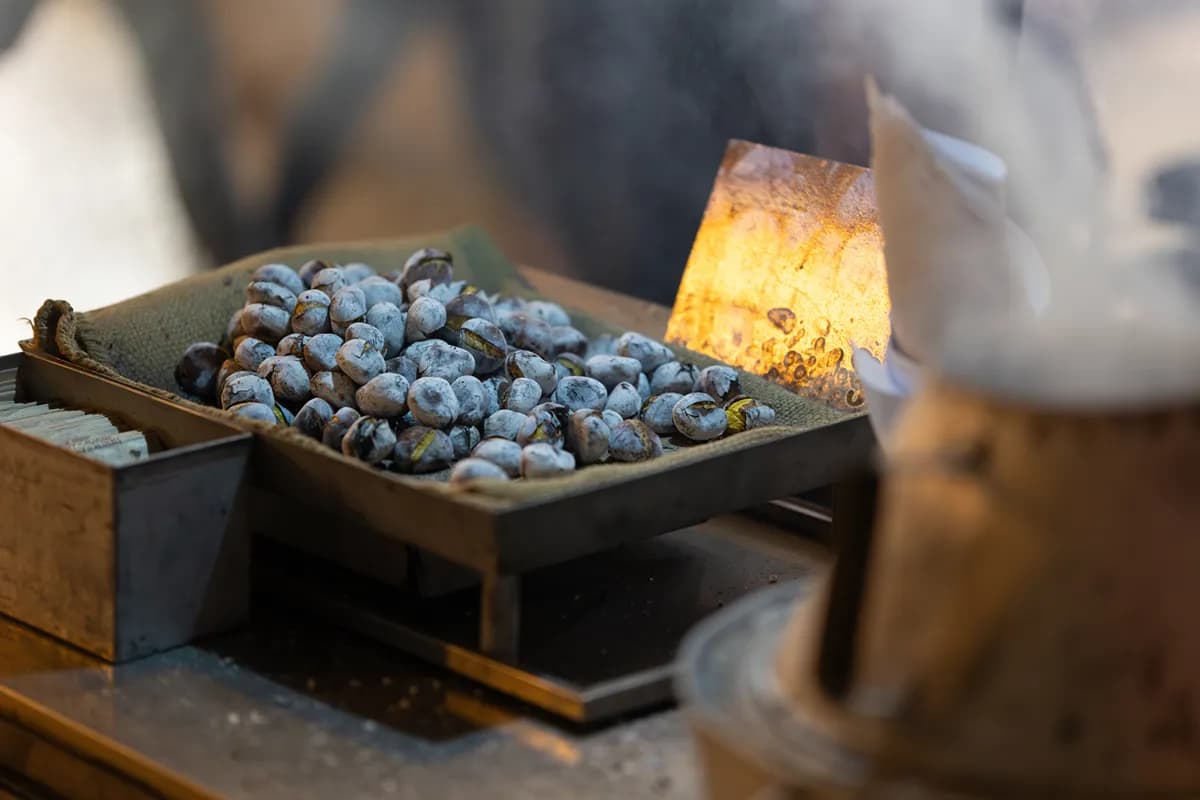
Perhaps the most recognisable São Martinho tradition is the magusto, a gathering where family, friends and neighbours come together to roast and share chestnuts.
Traditionally, chestnuts are roasted over an open fire or hot embers, often with a sprinkling of salt, before being passed around among those attending.
The occasion can also involve enfarruscar, a playful custom in which people smear one another's faces with soot or ash from the fire.
Chestnuts, known as castanhas in Portuguese, have long been an important autumn food, particularly in the northern and central regions where chestnut trees are widely cultivated.
Their harvest coincides with São Martinho, making them a natural centrepiece of the celebrations.
While traditional magustos are particularly associated with rural communities, the custom is by no means limited to the countryside. Schools, cultural associations and local councils throughout Portugal organise their own gatherings.
In towns and cities, chestnuts are also a familiar sight on street corners throughout autumn.
Vendors roast them in distinctive metal carts, often filling the surrounding streets with smoke and the smell of freshly cooked castanhas assadas, which are typically served in paper cones.
New wine, água-pé and jeropiga
Chestnuts are only half of the São Martinho tradition. The other is wine.
The celebration takes place shortly after the annual grape harvest, or vindima, making it a traditional occasion to taste the new season's wine.
This custom is captured in another well-known Portuguese proverb:
No dia de São Martinho, vai à adega e prova o vinho.
Meaning "On St Martin's Day, go to the wine cellar and taste the wine", the saying reflects São Martinho's close relationship with Portugal's winemaking heritage.
Alongside new wine, two traditional drinks are particularly associated with the occasion.
Água-pé is a light alcoholic drink traditionally produced by adding water to the grape skins and other remains left after pressing grapes for wine.
Jeropiga is a sweeter, stronger drink made by combining grape must with aguardente, a distilled spirit that interrupts fermentation and preserves the natural sweetness of the grapes.
Both are traditionally enjoyed alongside roasted chestnuts at magustos and autumn fairs.
Where are Portugal's most famous São Martinho celebrations?
Although São Martinho is celebrated throughout Portugal, several towns are particularly well known for their traditional festivities.
One of the most famous is Golegã, in the Ribatejo region, where the historic Feira de São Martinho developed into the Feira Nacional do Cavalo, Portugal's leading equestrian event.
In northern Portugal, Penafiel is known for its longstanding Feira de São Martinho, which brings together traditional markets, regional food and seasonal celebrations.
Another notable event is the Festa do Castanheiro in Marvão, in the Alentejo. Although centred on the chestnut harvest rather than St Martin's Day itself, it takes place around the same time and celebrates many of the same autumn traditions.
Elsewhere, São Martinho is often a smaller, more local occasion, with communities gathering to roast chestnuts, share food and enjoy the first wines of the season.
How is São Martinho celebrated in Portugal today?
Although its origins stretch back centuries, São Martinho remains a familiar part of everyday Portuguese life.
For many families, the occasion is an opportunity to enjoy seasonal food and keep local customs alive.
In schools, children learn about the legend of St Martin, take part in themed activities and gather for magustos, introducing younger generations to the tradition.
Local councils and cultural associations also organise celebrations, many of which are open to residents and visitors alike.
For those living in Portugal, particularly in smaller towns and villages, these gatherings are an opportunity to get involved in local traditions and meet members of the community.
For visitors, they offer a different perspective on Portuguese culture from the country's better-known summer festivals, such as the Santos Populares celebrations in Lisbon and Porto.
Whether it's buying a paper cone of warm chestnuts from a street vendor or joining a village magusto, São Martinho is a reminder that some of Portugal's most enduring traditions are also its simplest.

Frequently asked questions about São Martinho in Portugal
When is São Martinho celebrated in Portugal?
São Martinho is celebrated every year on 11 November, the feast day of St Martin of Tours. In 2026, the date falls on a Wednesday, although some festivities take place on the surrounding weekends.
Is São Martinho a public holiday in Portugal?
São Martinho is not a national public holiday in Portugal, meaning most businesses and services operate as normal. However, it is a municipal holiday in some locations.
What is a magusto in Portugal?
A magusto is a traditional autumn gathering where people roast and share chestnuts, often accompanied by new wine, água-pé or jeropiga. Magustos are especially associated with São Martinho.
Why do Portuguese people eat chestnuts on São Martinho?
São Martinho falls during the autumn chestnut harvest, when freshly harvested chestnuts are widely available. Roasting and sharing them became an important part of traditional seasonal gatherings and remains one of the celebration's best-known customs.
Portugal Homes
Get the best property advice.