Article
Portugal Homes
Get the best property advice.
Autumn, or fall, might not be the first season that comes to mind when you think of Portugal, but it is one of the most distinctive and beautiful times of year to visit.
The long, warm evenings of September give way to October's changing colours, followed by cooler weather, roasted chestnuts and traditional celebrations in November.
Autumn, known in Portuguese as outono, brings a different rhythm to the country, often without the crowds of the summer months.
What autumn looks like in Portugal depends considerably on where you are.
The north experiences noticeably cooler and wetter weather, while the southern and coastal regions generally remain warmer and drier. You can still enjoy the beach in the Algarve well into the season, even as the vineyards of the Douro Valley begin turning yellow and red.
When Is Autumn in Portugal?
There are two ways of defining the beginning of autumn in Portugal: meteorological autumn starts on 1 September, while astronomical autumn begins with the autumnal equinox, usually on 22 or 23 September.
Meteorological autumn lasts exactly three months, ending on 30 November, while astronomical autumn continues until the winter solstice, normally on 21 or 22 December.
For weather and travel planning, however, September, October and November provide the most useful way to understand autumn in Portugal.
What Is the Weather Like in Portugal in Autumn?
One of the main advantages of visiting Portugal in autumn is its relatively mild weather, especially compared with much of northern Europe. However, temperatures and rainfall vary considerably depending on the month and region.
September is generally the warmest of the three months, with conditions often resembling those of late summer.
October brings more noticeable changes, although much of the country still enjoys comfortable daytime temperatures and regular sunshine.
By November, cooler conditions, shorter days and more frequent rainfall become increasingly common.
These differences are particularly noticeable between Portugal's north and south. Porto and the surrounding northern regions receive substantially more autumn rainfall than the Algarve, while Lisbon sits somewhere between the two.
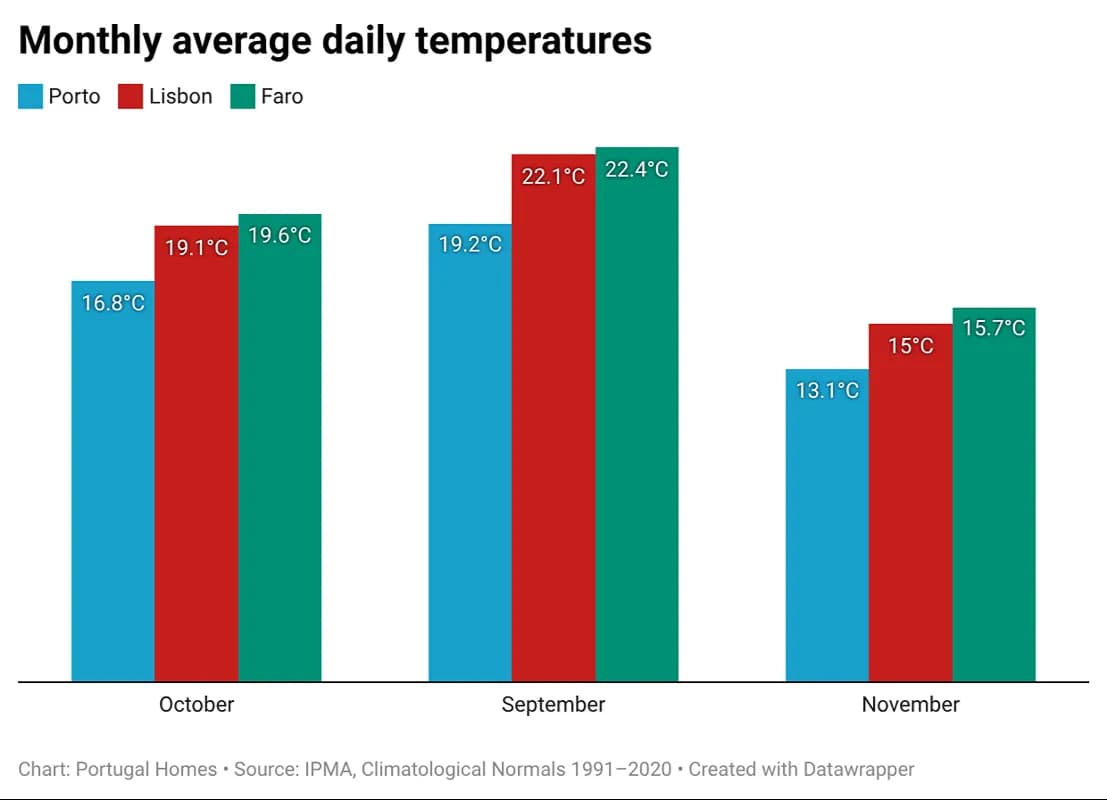
Average daily mean temperatures (°C), September to November, Porto, Lisbon and Faro. Source: IPMA Climatological Normals 1991–2020.
The temperature difference between the three cities is relatively modest. In October, for example, average daily temperatures range from 16.8°C in Porto to 19.6°C in Faro. These are averages across the day, so afternoon temperatures can be considerably warmer.
Rainfall shows a much larger regional difference.
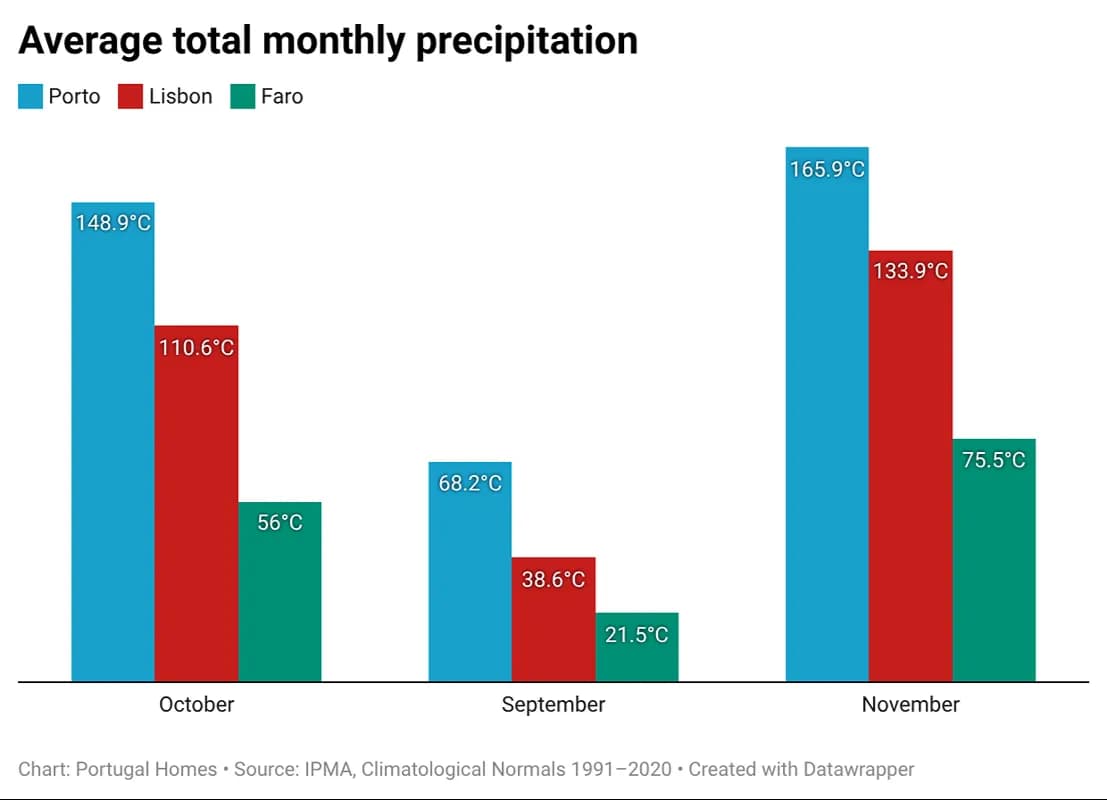
Average monthly rainfall (mm), September to November, Porto, Lisbon and Faro. Source: IPMA Climatological Normals 1991–2020.
In October, Porto receives an average of 148.9 mm of rain, compared with 110.6 mm in Lisbon and just 56 mm in Faro. By November, the figures rise to 165.9 mm, 133.9 mm and 75.5 mm respectively.
This matters particularly for visitors planning outdoor activities. October can still bring plenty of pleasant days in northern Portugal, but the likelihood of wet weather is considerably greater than in the Algarve.
These figures are historical averages rather than forecasts, and actual conditions can vary from year to year. For a broader picture of the country's climate, see our guide to Portugal's weather throughout the year.
Portugal in September, October and November
The experience of visiting Portugal changes considerably as autumn progresses.
September is usually the best month for visitors hoping to extend the summer, while October offers comfortable sightseeing weather and some of the year's most attractive countryside scenery.
November is cooler and wetter, but brings traditional celebrations and fewer visitors to many popular destinations.
Portugal in September: The Last of the Summer Sunshine
September in Portugal often feels more like summer than autumn, particularly in Lisbon and the Algarve. Daytime temperatures remain warm, and the sea is still suitable for swimming in many coastal areas, although the Atlantic can be cool even during the summer months.
For visitors hoping to enjoy Portugal's beaches without the busiest weeks of July and August, September is an attractive choice.
Coastal towns remain lively, but the return to school and the end of the main holiday season generally mean fewer visitors, particularly later in the month.
September also brings the vindima, Portugal's grape harvest. This is an important time in wine-producing regions such as the Douro and Alentejo, where some estates offer vineyard tours, harvest experiences and traditional grape treading.
The precise timing varies depending on the weather, grape varieties and individual producers, so it's worth checking arrangements before visiting.
For a September holiday combining time on the beach with sightseeing or outdoor activities, Lisbon and the Algarve are particularly convenient choices.
The weather is usually warm enough to spend time outdoors without needing to plan every activity around the midday heat.
Portugal in October: Autumn Colours and Mild Weather
October is one of the best months to visit Portugal for sightseeing, walking and exploring the countryside.
Temperatures are generally lower than in September, making it easier to spend longer periods outdoors, although rainfall becomes more frequent as the month progresses.
In Lisbon and Porto, October can be an excellent time for exploring historic neighbourhoods, visiting museums and taking day trips without the intense summer heat.
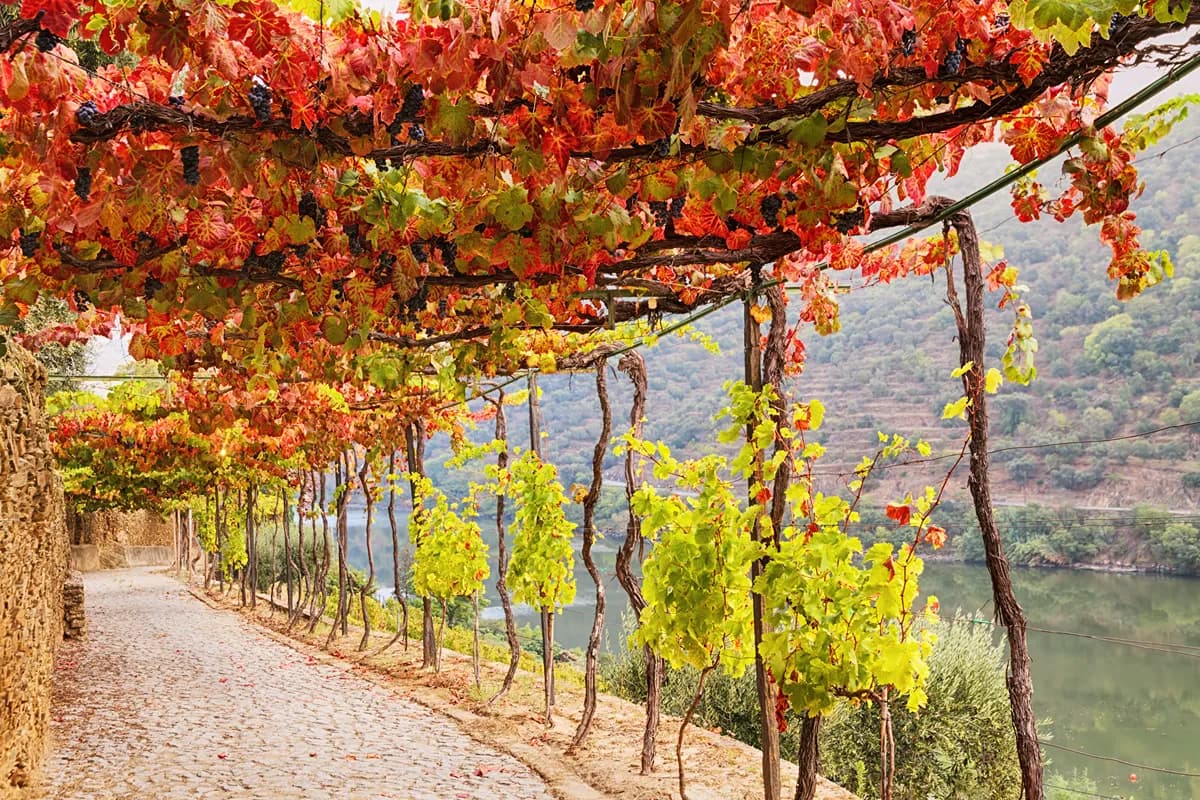
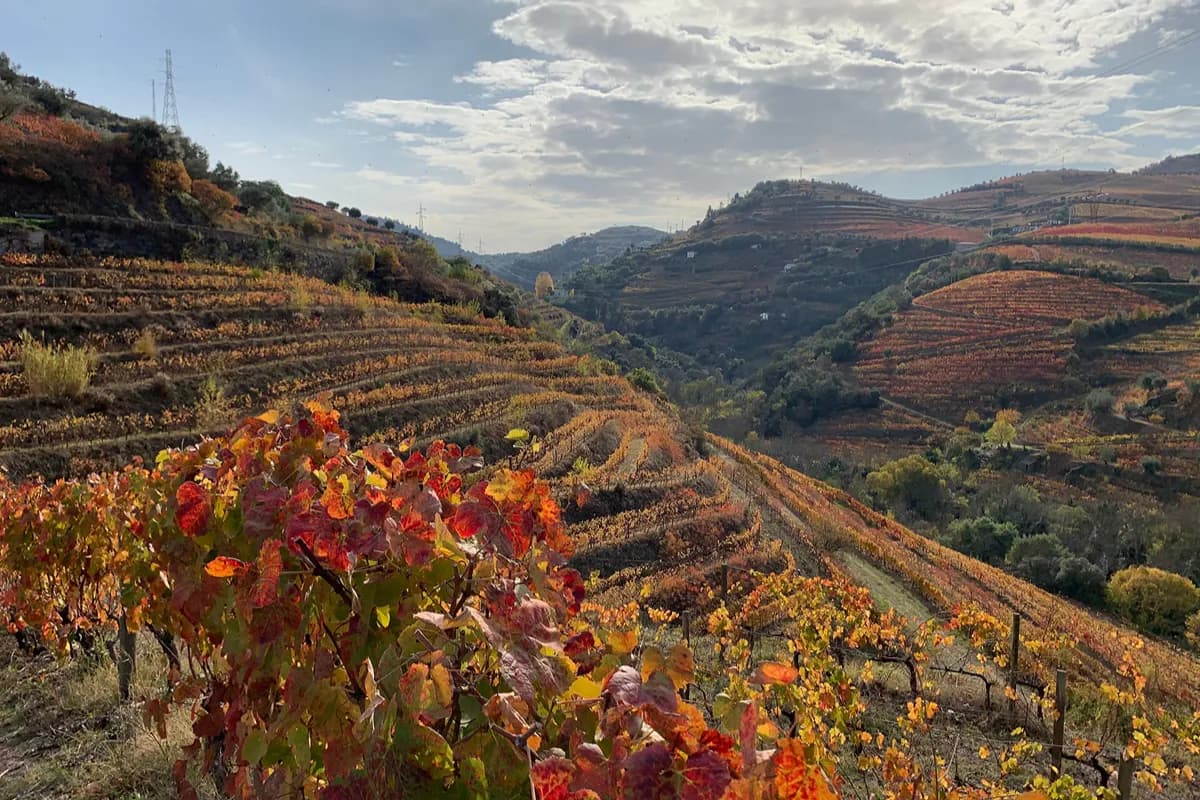
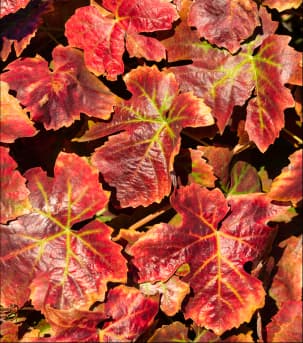
It is also the month when autumn colours become increasingly noticeable in Portugal's wine regions. The terraced vineyards of the Douro Valley begin turning yellow, orange and red, creating some of the most distinctive scenery of the season.
The timing and intensity of these colours depend on the weather, with the display often continuing into November.
Visitors looking for warmer conditions should consider the Algarve. Average daytime highs in Faro remain above 23°C in October, although the weather becomes less predictable later in the month.
Sunny beach days are still possible, but anyone planning a traditional beach holiday should be prepared for occasional rain and cooler evenings.
For visitors choosing between September and October, the main consideration is whether swimming and sunbathing are priorities. September is generally more reliable for both, while October is often better suited to longer days exploring cities, villages and walking routes.
Portugal in November: Chestnuts, Traditions and Quieter Cities
By November, autumn is firmly established across Portugal. The weather is noticeably cooler, particularly in northern and inland regions, and rainfall becomes a more important consideration when planning a visit.
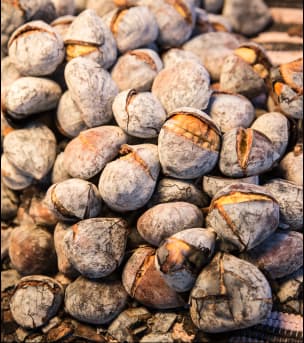
November also brings one of Portugal's most recognisable seasonal traditions. On 11 November, the country celebrates Dia de São Martinho, or St Martin's Day, traditionally associated with roasted chestnuts, new wine and gatherings known as magustos.
Chestnut sellers become a familiar sight in towns and cities, with the smell of roasting castanhas filling streets and squares. In rural communities, magustos are an opportunity for families and neighbours to gather around a fire, roast chestnuts and celebrate the season.
The town of Golegã, in central Portugal, also hosts its famous National Horse Fair around St Martin's Day. The event brings together horses, riders and visitors for equestrian displays and celebrations of Portuguese horse-breeding traditions.
For visitors to Lisbon, Porto or Portugal's historic inland towns, November can still be enjoyable, particularly if museums, restaurants and cultural experiences are more important than beach weather. However, shorter daylight hours and more frequent rain make flexible plans advisable.

Best Places to Visit in Portugal in Autumn
Portugal's autumn weather varies considerably between regions, so where you choose to go can make as much difference as when you visit.
Porto and the Douro Valley
Porto is a good base for exploring northern Portugal during autumn, with its historic centre, riverside restaurants and wine cellars offering plenty to do even when the weather turns wet.
The nearby Douro Valley is particularly attractive between September and November. Visitors arriving during the harvest can experience the region's winemaking traditions, while those travelling later in the season are more likely to see the vineyards changing colour.
You can reach Peso da Régua and Pinhão by train from Porto, following the Douro River through the valley. Drivers can also explore the scenic N222 road, which runs between Peso da Régua and Pinhão through some of the region's best-known vineyard scenery.
October is an appealing time to make this journey, although rain and low cloud can sometimes obscure the views.
Lisbon and Sintra
Lisbon's mild autumn temperatures make it easier to explore the capital's steep streets, historic neighbourhoods and viewpoints on foot. The city remains lively throughout the season, while many of its most popular attractions become less crowded outside the busiest summer periods.
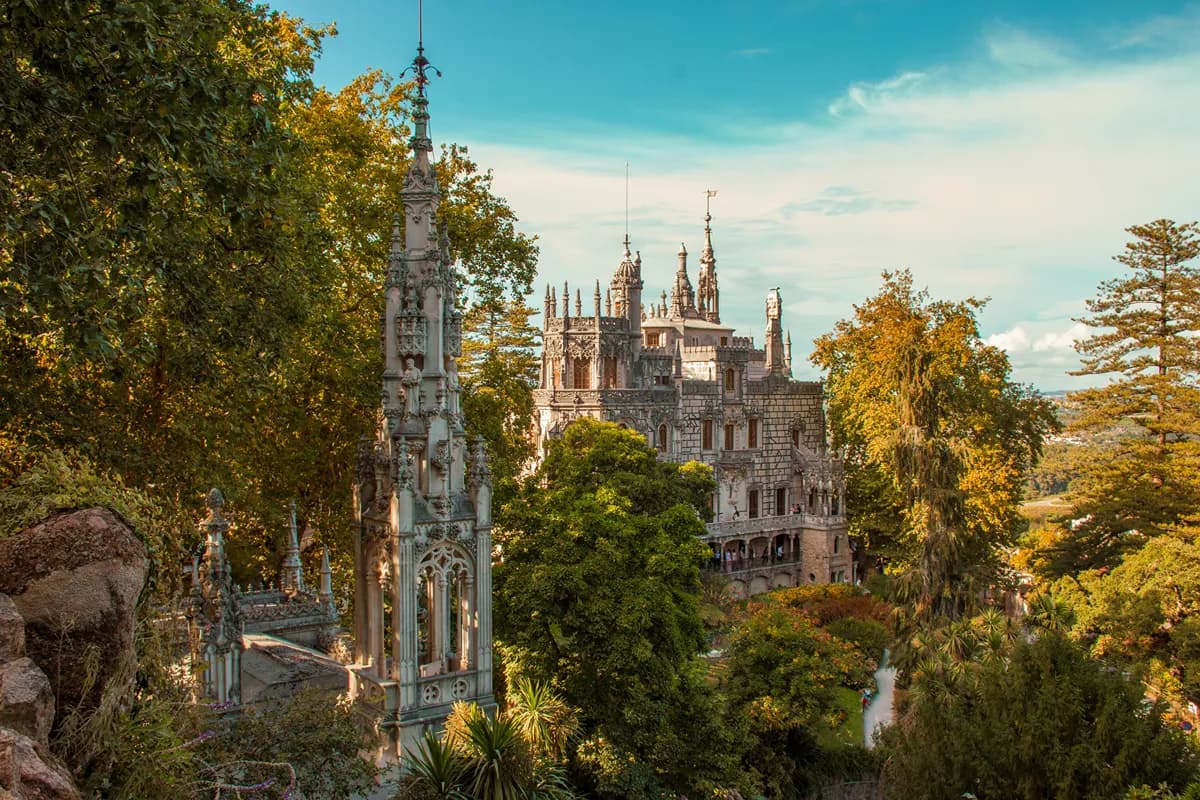
Nearby Sintra is particularly attractive during October and November. Its wooded hills and gardens take on autumn colours, while cooler, mistier conditions give places such as Quinta da Regaleira and the grounds surrounding Pena Palace a different atmosphere from the summer months.
Sintra's elevated position also means it can be noticeably cooler and wetter than Lisbon, even on the same day. Bringing a jacket is advisable, particularly if you're planning to spend several hours exploring the gardens and palace grounds.
The Algarve
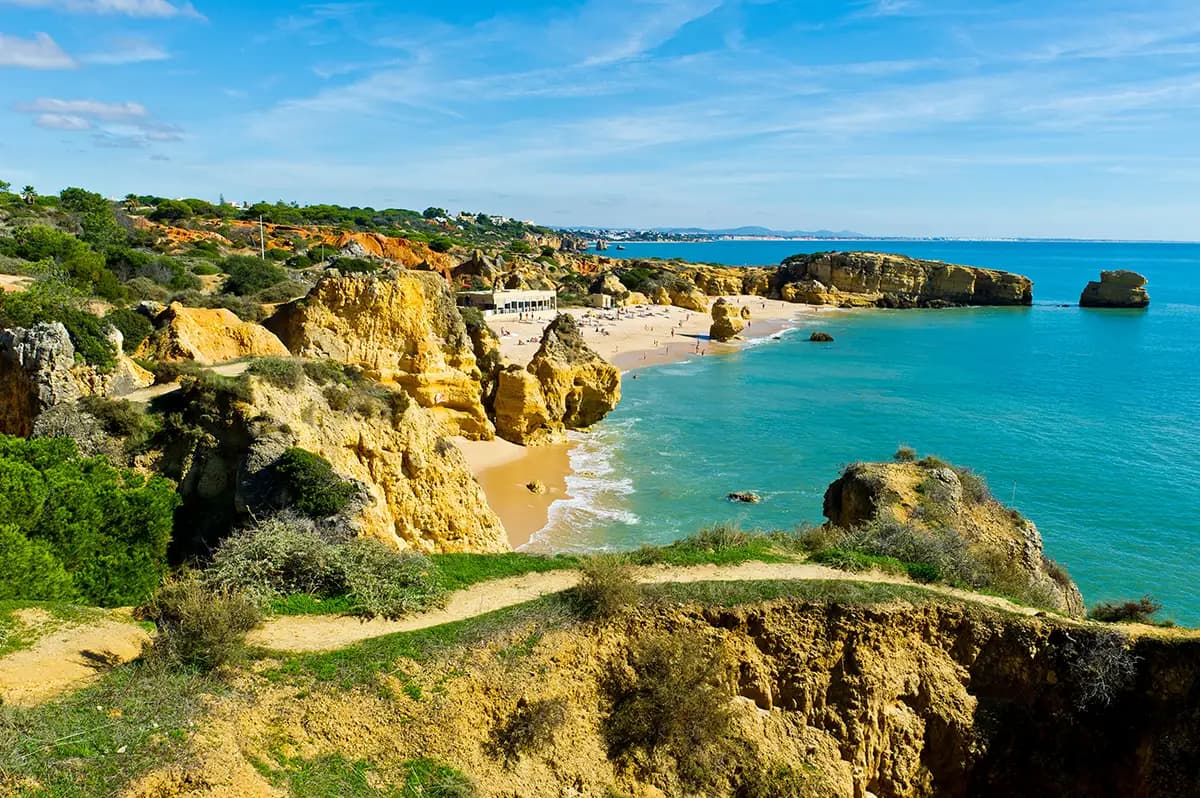
The Algarve is one of the best places to visit in Portugal during autumn if you're hoping for warmer weather.
September remains a good choice for swimming and beach holidays, while October brings more comfortable conditions for exploring the region's coastline and historic towns.
Around Lagos, the cliffs and coastal paths of Ponta da Piedade are particularly attractive outside the hottest summer months.
Further east, Tavira offers a quieter experience, with its traditional centre, riverside setting and access to the beaches of Ria Formosa.
The Algarve also has several well-known walking routes, including the Seven Hanging Valleys Trail between Praia da Marinha and Vale de Centeanes. Autumn temperatures are often better suited to these exposed coastal walks, although routes should be avoided during heavy rain or strong winds.
By November, some seasonal restaurants and tourism businesses begin reducing their opening hours, especially in smaller resort areas. Larger towns such as Faro, Lagos and Tavira continue to have year-round services.
The Alentejo
The Alentejo is particularly appealing in autumn, when cooler temperatures make it easier to explore the region's historic towns and countryside.
September is an important period for winemaking, while the olive harvest generally becomes more prominent later in the season.
Inland destinations such as Évora, Monsaraz and Marvão are more comfortable to explore once the intense summer heat has passed. Visitors can combine sightseeing with visits to vineyards, traditional restaurants and rural estates, although temperatures can fall sharply after sunset.

What Should You Know Before Visiting Portugal in Autumn?
Although Portugal's autumn weather is generally mild, conditions can change quickly, particularly between September and November.
What to wear: Lightweight clothing is usually suitable for warmer September days, but bring additional layers for cooler evenings. By October and November, a waterproof jacket and comfortable walking shoes become increasingly useful, especially in northern Portugal.
Beach weather: Swimming and sunbathing remain possible in September and sometimes October, particularly in the Algarve. However, sea temperatures vary along the coast, and weather conditions become less reliable as autumn progresses.
Daylight hours: The days become shorter throughout autumn, with the clocks moving back one hour on the last Sunday of October. Plan longer walks and outdoor excursions accordingly.
Prices and availability: Accommodation and flights can sometimes be less expensive than during peak summer, although prices vary by destination, local events and school holidays. Some seasonal restaurants, hotels and tourism services also reduce their opening hours later in autumn.
If you're still deciding when to travel, our guide to the best time to visit Portugal compares the seasons and explains what to expect throughout the year.
Discover Portugal Beyond the Summer Season
Visiting Portugal outside the summer months can be particularly useful if you're considering buying property or moving here. Autumn gives you a better idea of everyday life once the busiest tourist season has ended, as well as how much the weather can vary between regions.
If you're considering a move, Portugal Homes can help you explore properties and find an area that suits the way you want to live.
Explore our guide to moving to Portugal, discover our range of exclusive properties for sale, or contact us to book a private consultation with one of our expert advisors.
Explore Portugal Throughout the Year




Talk to one of our Real Estate Experts
Portugal Homes
Get the best property advice.