Article

Portugal Homes
Get the best property advice.
There is no such thing as a perfect retirement destination.
But Portugal hasn’t become one of Europe’s most popular choices for international retirees for no reason.
In fact, it hasn’t been for just one reason either. The country’s popularity comes as the result of a combination of factors:
Mild climate
Relative affordability
Safety
Healthcare
Strong English proficiency
Culture and lifestyle
A comparatively accessible retirement visa
Established international communities
Portugal may not be the cheapest, easiest, or most tax-friendly country in Europe, but its offer is one of the best in terms of overall balance for retirees.
That balance is reflected in International Living’s 2026 Annual Global Retirement Index, which ranks Portugal fourth in the world.
Among European destinations, only Greece ranks higher, while Portugal places ahead of Italy, France, and Spain.
The index compares destinations across many of the same factors that matter most to retirees, including climate, healthcare, cost of living, housing, and visas.

Why Portugal Remains One of Europe’s Strongest Retirement Choices
As a destination for retirees, Portugal’s strengths are broad: it may not top any particular category, but few other countries can match the combined quality of life it offers.
A retiree might find lower costs, stronger public services, or more generous tax treatment elsewhere, but Portugal performs reasonably well across almost all of the areas that matter.
Portugal’s fourth-place position in the 2026 Annual Global Retirement Index reflects this broad appeal.
Rather than measuring one particular strength, the ranking considers the combination of factors that shape retirement life, from housing and living costs to healthcare, climate, and residence options.
Here are some of the key factors that make Portugal such an attractive place to retire.
1. A Lifestyle That Is Easy to Enjoy
Lifestyle is one of the main reasons many expats and retirees choose Portugal.
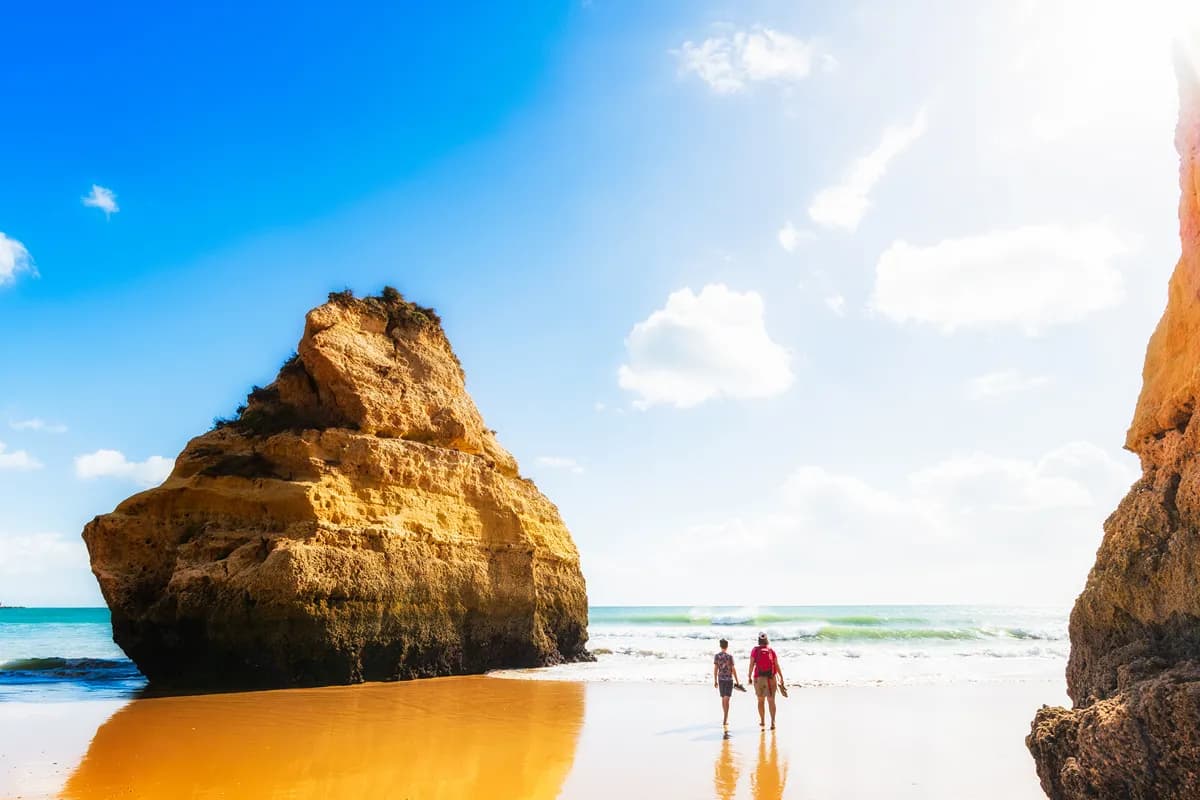
The country is perhaps best known for its long coastline and beaches, with the Algarve named the World’s Leading Beach Destination in 2025.
Coastal life is complemented by a wide range of outdoor activities, including golf, walking and water sports, while the climate makes outdoor dining a regular part of life for much of the year.
Portugal also offers considerable cultural and historical depth, from major cities to smaller towns shaped by centuries of history.
Its food and wine are central to everyday life, but there is plenty happening beyond restaurants and cafés.
Across the country, traditional festivals sit alongside a varied contemporary cultural scene encompassing galleries, cinema, live music, opera, nightlife and summer events.
Life moves at a slower pace in many parts of Portugal, particularly outside the largest cities, without requiring retirees to give up access to culture, leisure or services.
These qualities also feature strongly in International Living’s assessment of Portugal, which highlights the country’s cultural depth, geographical variety, sense of community, and access to outdoor life as important parts of its retirement appeal.
Portugal offers an international environment without feeling artificial. Part of Portugal’s appeal is the amount of choice within a relatively small country, from major cities and Atlantic coastal towns to rural communities, wine regions and islands.

2. A Climate That Suits Retirement
The other biggest factor that draws may retirees to Portugal is the climate.
Portugal is famous for its long, hot, and dry summers with plenty of sunshine and little, while winters tend to be significantly milder than in much of Europe and the US.
Portugal’s climate varies considerably between regions, meaning retirees can choose between warmer winters in the Algarve and Madeira, cooler northern summers and the more moderate conditions of the central coast.
It’s important to understand that this climate is not always a blessing. Northern Portugal, including Porto, tends to be significantly wetter than the rest of the country, so if your retirement dream involves throwing away your umbrella, it may be better to look south.
Some expats discover during their first winter that Portuguese homes can sometimes be poorly insulated against the cold, with this especially common in older buildings.
However, summer temperatures, especially inland, can be extreme, and heatwaves, droughts, and wildfires are becoming more relevant across the country.
3. Affordable by Western European Standards
This is another point on which it’s important to be realistic.
Ten or fifteen years ago, Portugal was somewhere you could live like a king on a pension or income that might have barely been enough to scrape by in places like Western Europe and the US.
However, the cost of living in Portugal has steadily gone up in the intervening years/
Portugal is still relatively affordable compared with many parts of France, the UK, Ireland and northern Europe, particularly for things like eating out, local services, groceries, public transport, and some healthcare and leisure costs.
Affordability remains one of the factors behind Portugal’s strong position in the 2026 retirement ranking, although rising prices are increasingly difficult to ignore.
There is one category in particular where your money does not go as far as it once did: housing.
Property and rental prices have risen considerably.
Portugal may remain comparatively affordable for day-to-day expenses, but housing has risen much more sharply. Lisbon, Cascais and parts of the Algarve are seeing particularly significant and rapid increases in price.
Expats and retirees are increasingly looking for real estate opportunities outside of these hotspots, with many areas of the country still offering attractive prices and increasingly competitive quality of life.

4. English Makes the Transition Easier
One of Portugal’s strongest practical advantages, though perhaps one that is less well known than the draws of sun and sea, is the fact that it ranks among the most English-proficient countries in the world.
This proficiency makes the country significantly easier to navigate for international retirees, particularly in major cities, coastal areas and established expat communities.
English is widely used across private healthcare, property services, hospitality and many everyday interactions, helping to reduce some of the practical difficulties that can come with moving abroad.
That does not mean that Portuguese is unnecessary. English is less widely spoken among some older generations and in smaller inland communities, while public administration and local services may still require some knowledge of Portuguese.
For retirees planning to stay long term, learning the language can make day-to-day life and integration considerably easier.
5. Portugal Is a Safe Place to Grow Older
Portugal also ranks among the world’s safest countries, with low levels of violent crime and a strong sense of personal safety that can make everyday activities such as walking, using public transport and living independently easier for retirees.
Crime still exists, of course, and petty theft can sometimes be an issue in busy tourist areas of Lisbon and Porto.
However, safety is consistently one of the qualities identified as a strength for retirees considering Portugal.
6. Strong Public and Private Healthcare Give Retirees Options
Healthcare is a field where Portugal offers a strong balance for retirees, with public and private healthcare both strong options that offer advantages compared to many other countries.
Universal public healthcare is available for all foreign nationals living in or travelling through Portugal.
Residents in the country who have the following can access public healthcare at no cost:
National Health Service (SNS) number
Social Security number
Identification document
Portuguese Tax Identification Number (NIF)
Full address in Portugal
Valid residence permit
Additionally, residents with these documents can also receive a European Health Insurance Card, which can be used to access healthcare during temporary stays in any other EU country.
Private hospitals and clinics are also available. Private insurance and out-of-pocket healthcare that can be comparatively affordable, especially for retirees and expats from the US and other countries with high healthcare costs.

7. Visas Give Retirees a Clear Route to Residence
Portugal offers several residence routes that can suit retirees depending on their income, assets and plans.
For many, the D7 is the most natural option, as it is designed for retirees and people living from pensions or other regular income.
Others may be better suited to an investment, business or other residence route depending on their circumstances. Portugal therefore gives retirees more than one possible pathway rather than forcing everyone into the same category.
These routes can provide a basis for long-term residence and, where the relevant requirements are met, generally provide a five-year path to permanent residence and a ten-year path to citizenship.
The important takeaway is that Portugal offers relatively clear legal routes to residence, even if dealing with the administrative process itself can sometimes be less straightforward.
8. The Biggest Weakness: Bureaucracy
For many retirees, the main frustrations with Portugal tend to involve organising life rather than living it.
Residence appointments, renewals, tax administration, driving licences, healthcare registration, and other official processes can involve delays and inconsistent administration.
The legal routes to residence may be relatively clear, but the paperwork that follows can be slow and inconsistent.
The legal routes to residence may be relatively clear, but the paperwork and administration that follow can be slow and inconsistent.
This is an important drawback to acknowledge, particularly for retirees who want a straightforward relocation process.
Where Are the Best Places to Retire in Portugal?
The Algarve
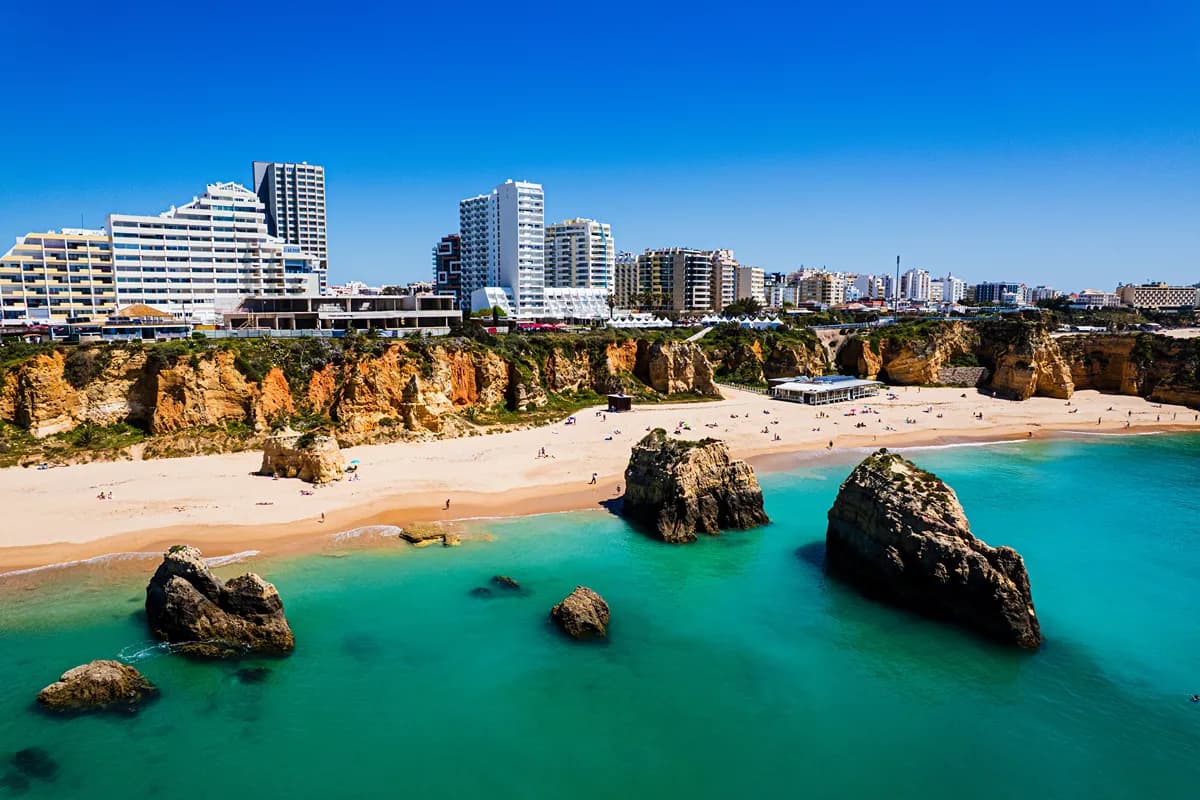
Portugal’s southernmost region is best known for its warm climate, beaches and established international communities.
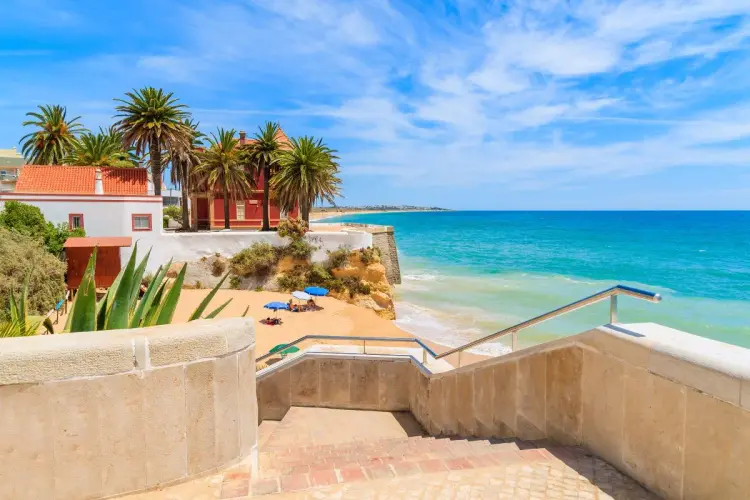
It’s particularly well suited to retirees looking for outdoor living, golf, coastal towns and easy access to services geared towards foreign residents.
The main trade-off is cost, with some of the Algarve’s most desirable areas now among the more expensive property markets in Portugal.
Lisbon
Lisbon is best for retirees who want access to major hospitals, international services, cultural attractions and Portugal’s main airport.
It offers the convenience and variety of a capital city, while nearby areas such as Cascais provide a more relaxed coastal lifestyle within easy reach of Lisbon. The main drawback is housing cost, which is among the highest in the country.

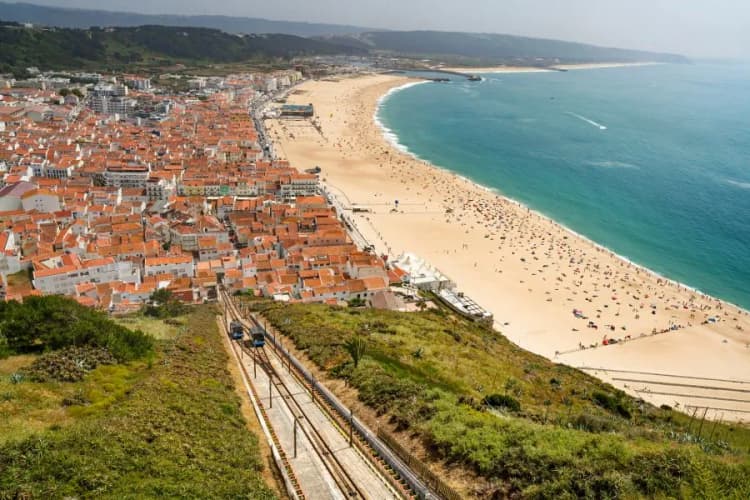
Silver Coast
The Silver Coast offers a quieter alternative to Lisbon and the Algarve, combining Atlantic beaches, historic towns and generally lower property prices.
Places such as Caldas da Rainha, Óbidos and Nazaré can appeal to retirees looking for a slower pace of life without becoming too isolated from larger cities and essential services.
Porto and Northern Portugal
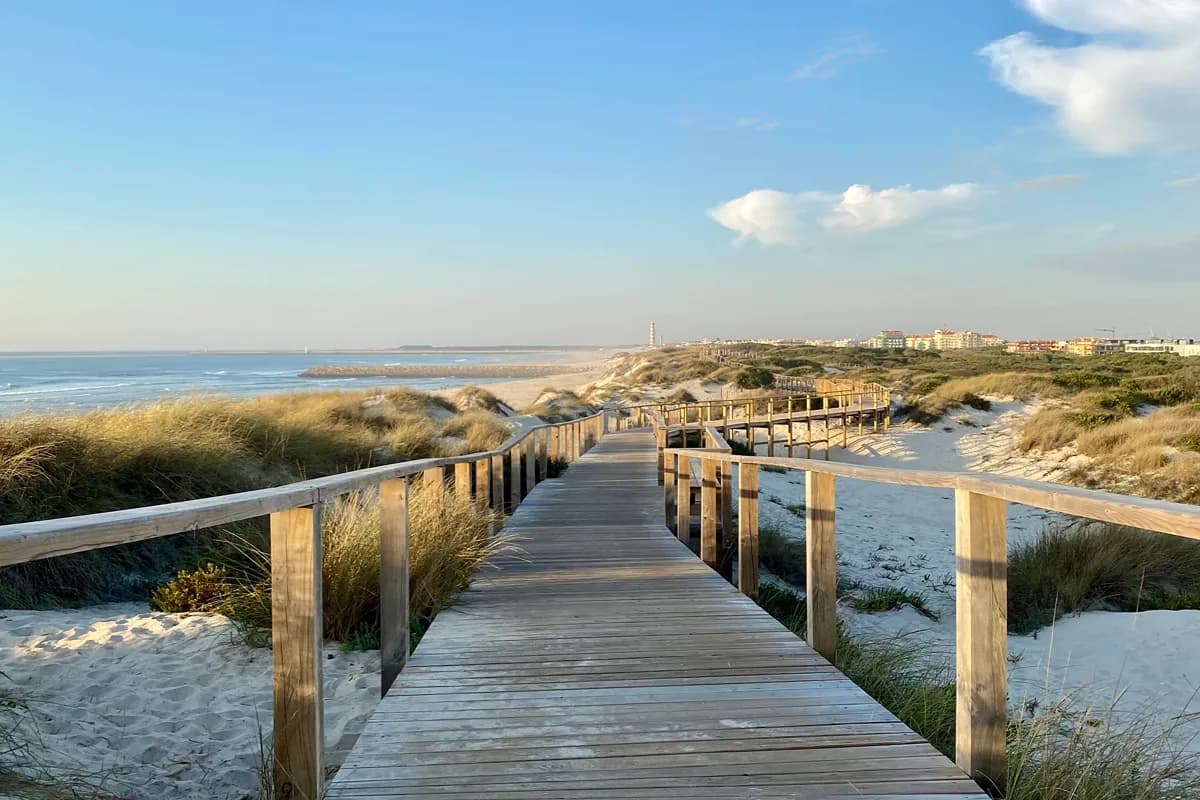
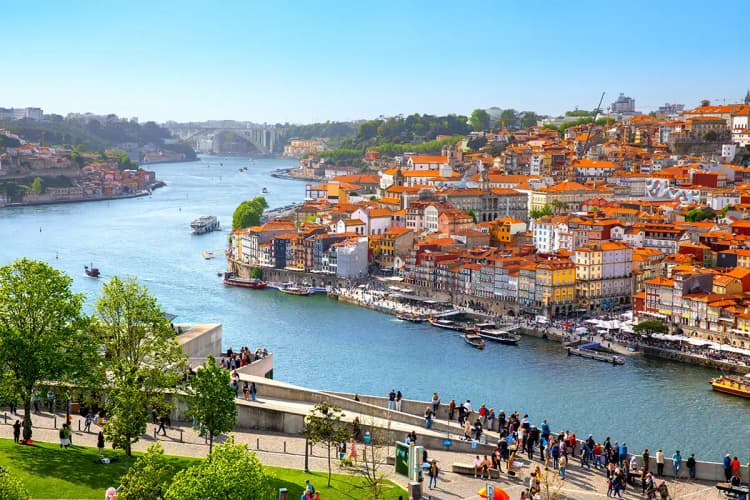
Porto and the surrounding north are a strong option for retirees who value culture, historic architecture, food and city life but prefer a somewhat cooler climate.
Porto provides good access to healthcare, transport and international services, while the wider region offers coastal towns, countryside and the Douro Valley.
Winters are generally wetter than in central and southern Portugal.
Madeira
Madeira is best suited to retirees looking for a mild year-round climate, dramatic natural surroundings and a slower island lifestyle.
Funchal provides many of the healthcare, shopping and international services needed for everyday life, while the rest of the island offers quieter coastal and mountain communities. The main consideration is the relative isolation that comes with island living.

Is Portugal Really the Best Place to Retire in Europe?
Not for everyone.
Retirees prioritising very low property prices, highly efficient bureaucracy or particular tax advantages may find better options elsewhere.
But for people looking for a combination of climate, safety, culture, healthcare, affordability, English accessibility, residence options, and established international communities, there are few stronger options.
This combination means that Portugal remains one of the best all-round retirement destinations in Europe.
The next question is not simply whether to retire in Portugal, but which part of Portugal best suits the lifestyle, budget and property you are looking for.




Talk to one of our Real Estate Experts
Portugal Homes
Get the best property advice.