Portugal Homes
Get the best property advice.
Portugal’s Silver Coast, also known as the Costa de Prata, is one of the country’s most compelling coastal regions and offers an irresistible combination of lifestyle appeal, affordability, and tranquillity compared to major cities and tourist hotspots
Welcome to Portugal’s Silver Coast
If you’ve visited Lisbon and the Algarve, you may think you’ve seen the best that Portugal has to offer.
But just a few miles north of the country’s capital, along an expanse of pristine beaches with a warm-summer Mediterranean climate like that of coastal California, lies one of Portugal’s hidden gems.
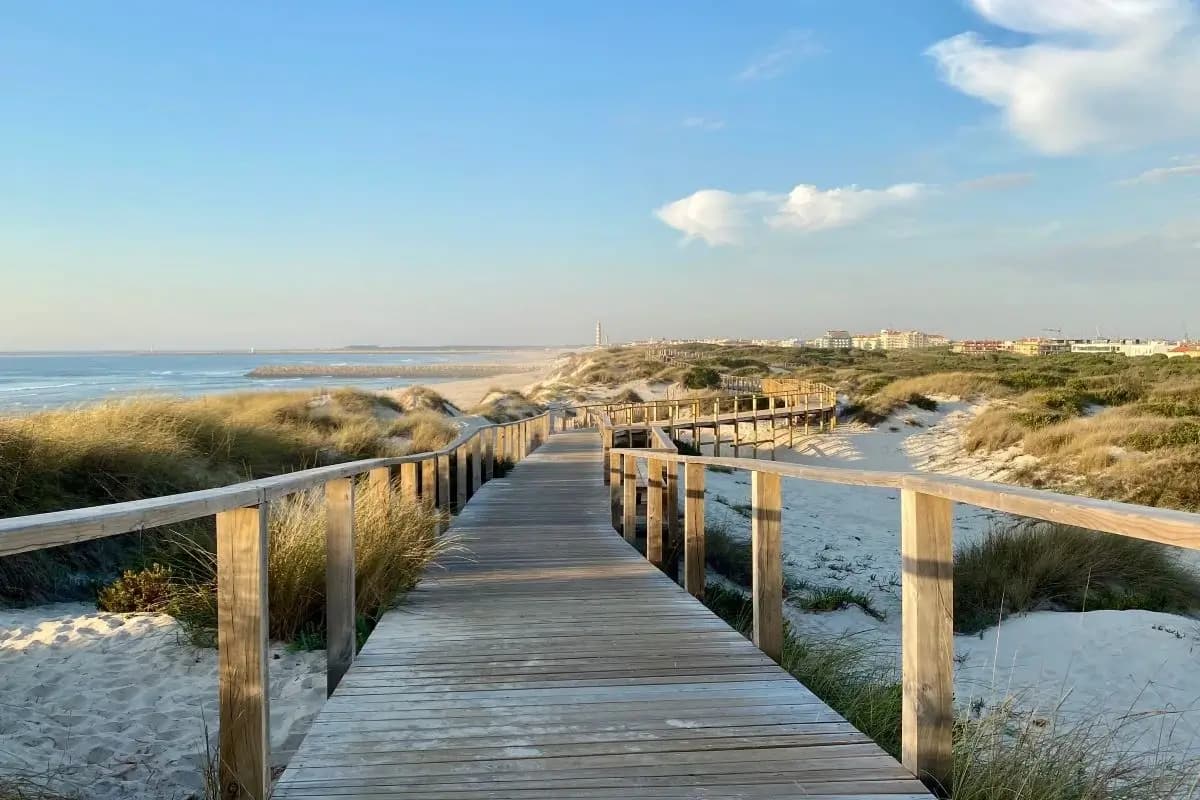
This is Portugal’s Silver Coast, a region that stretches along the country’s western edge between Lisbon and Porto. Here, you can find truly authentic Portuguese culture, some of the most beautiful landscapes anywhere in the world, and a level of space and affordability that is unthinkable in the traditional focal areas for expats and tourists.
The Silver Coast, or Costa de Prata in Portuguese, offers everything from picturesque fishing villages perched on cliffs to towering castles and monasteries, rolling hills of forest and vineyard, and idyllic beach resorts.
This is a place where life is old and lived slowly, far from the rush and bustle of the city, and where connection to nature and tradition are still central to everyday life.
The Silver Coast has a culinary tradition all of its own, a rich and storied history, and an ancient culture of myth, legend, and tradition just waiting to be discovered over every windmill-dotted hill.
What Life Looks Like on Portugal’s Silver Coast
The region offers a slower pace of life than places like Lisbon or the Algarve, but that doesn’t mean it has nothing going on.
Portugal’s Silver Coast offers a perfect balance between activity and calm that is epitomised by sleepy beach towns like Nazaré.
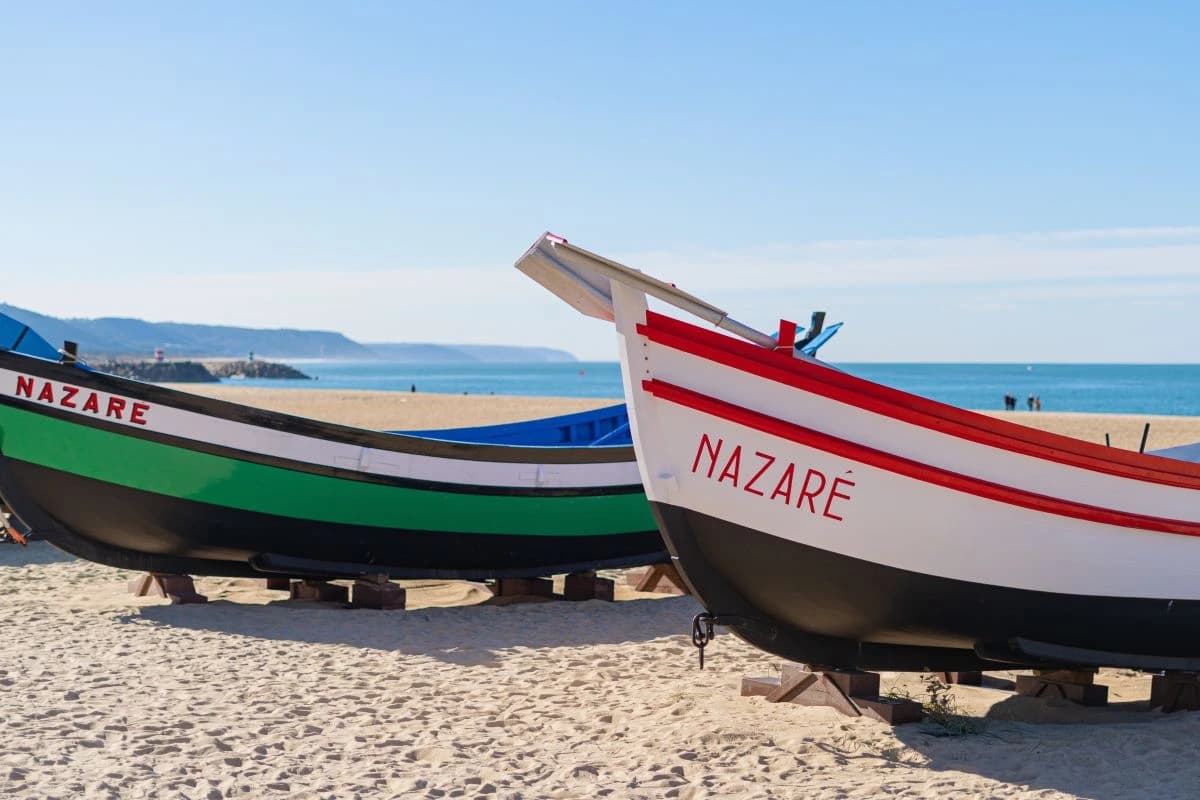
Once a small fishing village, this beautiful seaside town not only comes alive with tourism in the summer months but also hosts yearly surfing competitions that feature some of the biggest waves ever recorded anywhere in the world.
From coastal relaxation to cultural exploration, the Silver Coast in Portugal offers a little something for everybody.
Beach Life on the Silver Coast
The Silver Coast offers some of the most beautiful coastal landscapes in Portugal, with a wide range of environments from beaches to lagoons, and daily life in many of these places revolves around the sea.
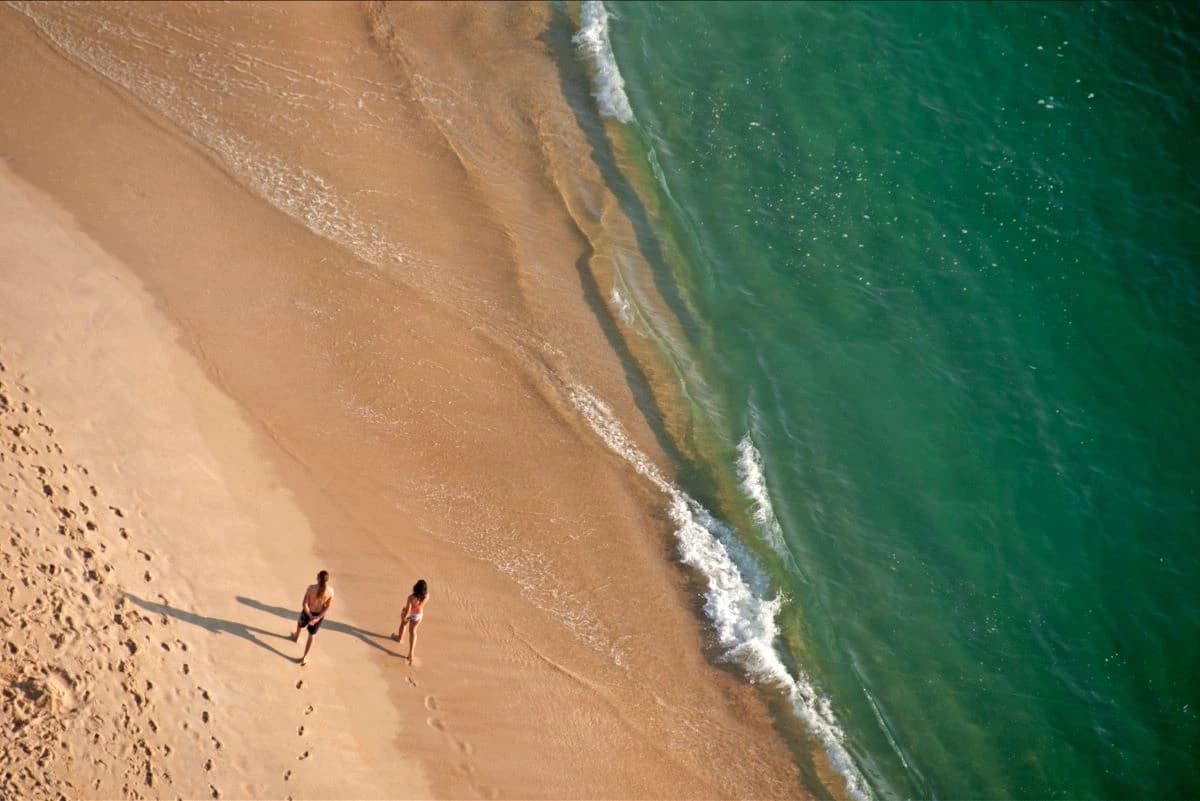
On the beach, expect vast expanses of silver sand and the crisp, clear waters of the Atlantic lapping at the shore. As you come in from the beach, you’ll usually encounter rolling sand dunes, which in some places stretch on for miles, that eventually melt into dense pine forests.
In resorts and beach towns, you can count on finding bars, cafes, and restaurants along the seafront, perfect for fresh seafood and a glass of local wine after a day on the sand.
While many old fishing towns now focus on tourism, many still operate and if you get up early, you can see the fishermen heading out to sea in small traditional boats. If the catch is good, it might be on your plate by the time evening rolls around.
Cultural Life on the Silver Coast
The Silver Coast is home to some of Portugal’s most beautiful, ancient, and intriguing cultural monuments and attractions.
The culture of this region is palpable in day-to-day life, from the natural rhythms of small-town life as people buy fresh fish and bread to traditional religious observances and festivals.
If you’re looking for history, you can find a treasure trove of well-preserved castles, monasteries, and convents in this region.
Óbidos is a fortified castle town perched on top of a hill, one of the best-preserved and most beautiful examples in Portugal, and is famous for its picturesque medieval streets that make it one of the most romantic places in Portugal.
Alcobaça, a larger town found a few miles inland, is home to the iconic Monastery of Alcobaça.
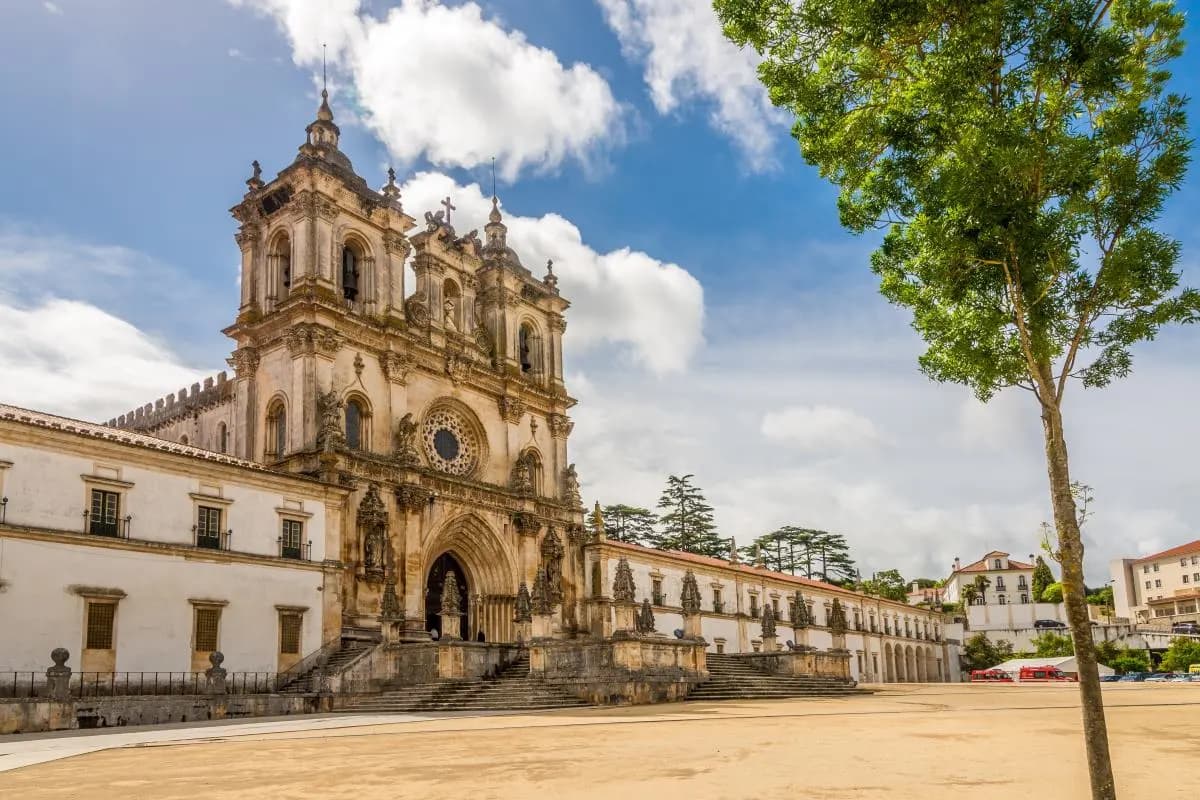
Its beautifully ornate Manueline halls are the final resting place of King Pedro I of Portugal and his lover, the murdered Inês de Castro, whose story has been immortalised in Portuguese culture as the ultimate tale of star-crossed lovers.
Mafra, just north of Lisbon, is home to another significant historical attraction, the Palace of Mafra.
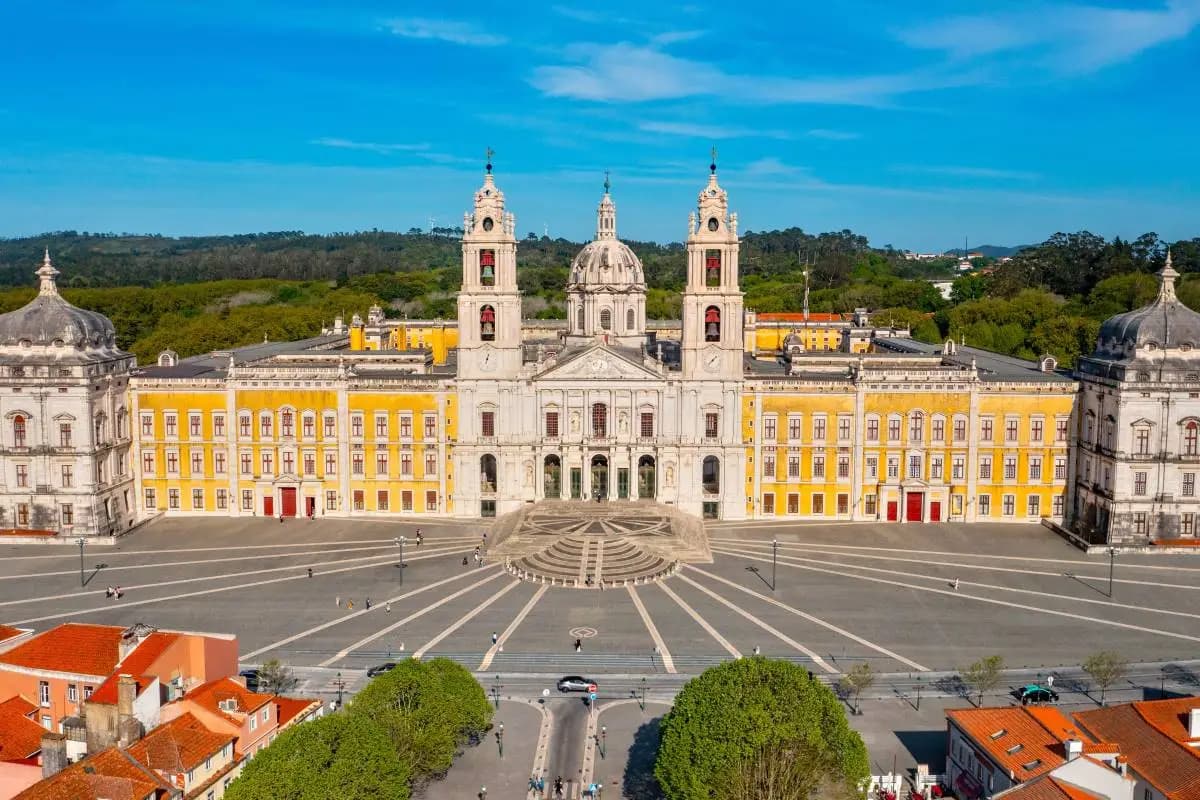
This enormous Baroque and Neoclassical complex, which houses both a royal palace and a monastery, was constructed in the 18th century and is considered one of Portugal’s greatest architectural treasures.
Coimbra is undoubtedly one of the cultural hearts of the Silver Coast region. This ancient town is home to one of the oldest universities in the world.
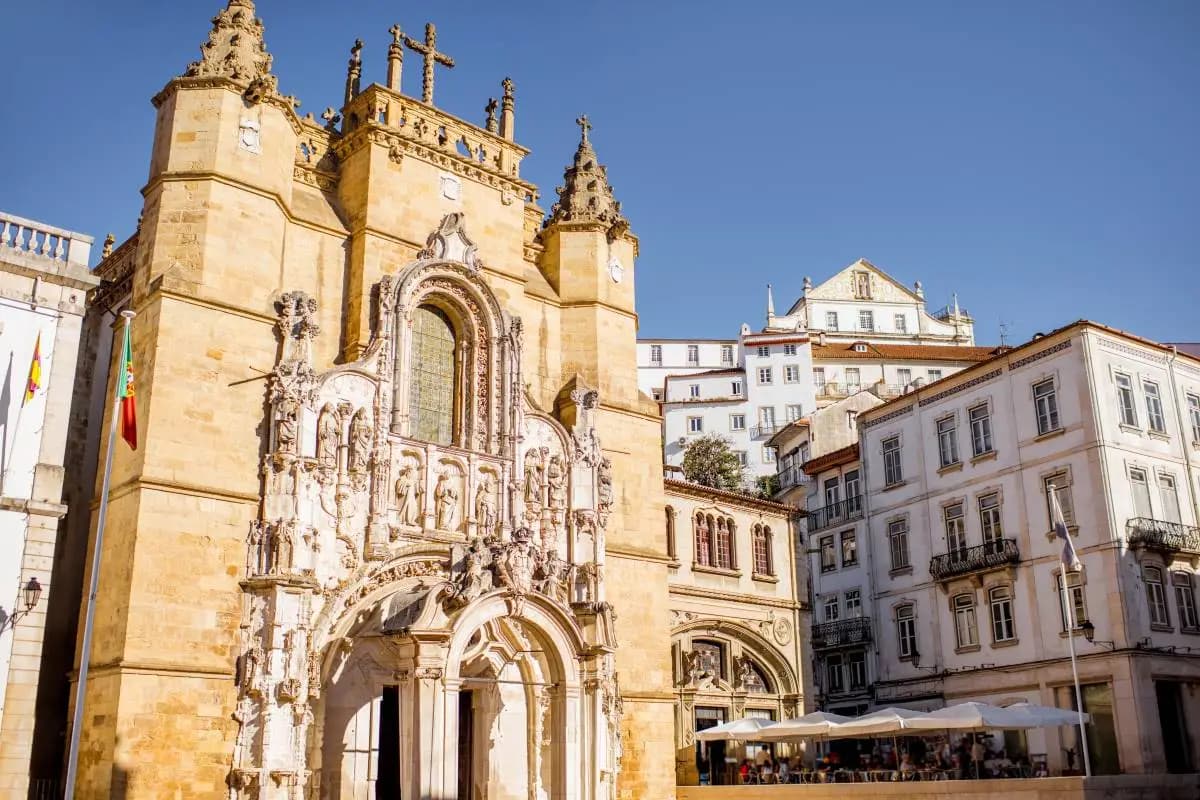
The University of Coimbra is still a functioning university to this day, as well as being a historical and architectural marvel, and the vibrant student community lends the quiet town a certain buzz. Many of the University’s buildings are open to visits from the public.
The Silver Coast is also home to particular food traditions. Much of the coastal region’s cuisine is centred around seafood, including the caldeirada de peixe, a fish stew that will be a little different in each town, as well as amêijoas à Bulhão Pato, a classic dish of fresh clams cooked with lots of olive oil, white wine, lemon juice, and garlic.
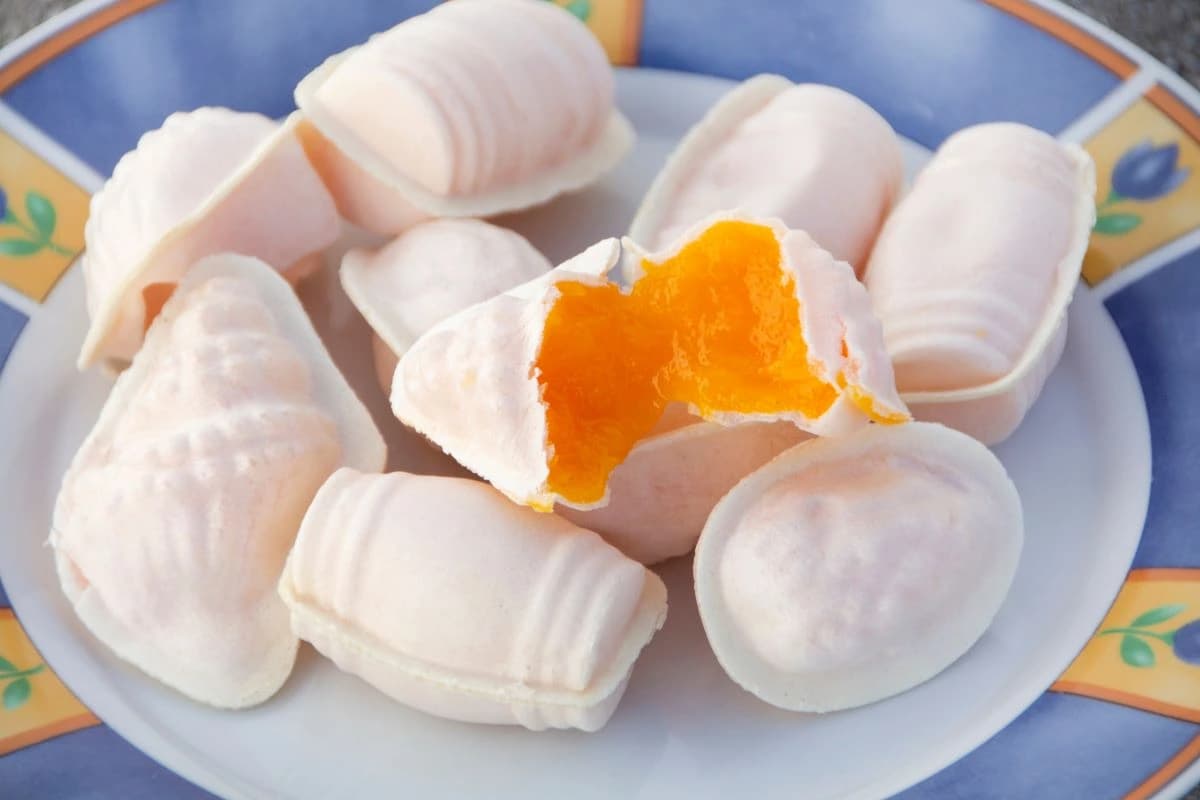
Sweet specialities include the ovos moles of Aveiro and the cornucopias of Alcobaça, as well as the sweet cherry-flavoured liqueur known as ginjinha that is traditional across the region.
While it may be home to countless beautiful beaches, the Silver Coast isn’t just a tourist resort. It’s a version of Portugal that is lived in and has been for centuries.
Active Life on the Silver Coast
Beyond its cultural depth, the region is equally defined by its connection to the ocean. Portugal’s Silver Coast provides perfect conditions for water sports and activities.
Nazaré offers record-breaking waves for the truly confident, while if you prefer a more relaxed experience, Óbidos Lagoon and São Martinho do Porto Bay are more sheltered and feature calm waters perfect for activities all year round.
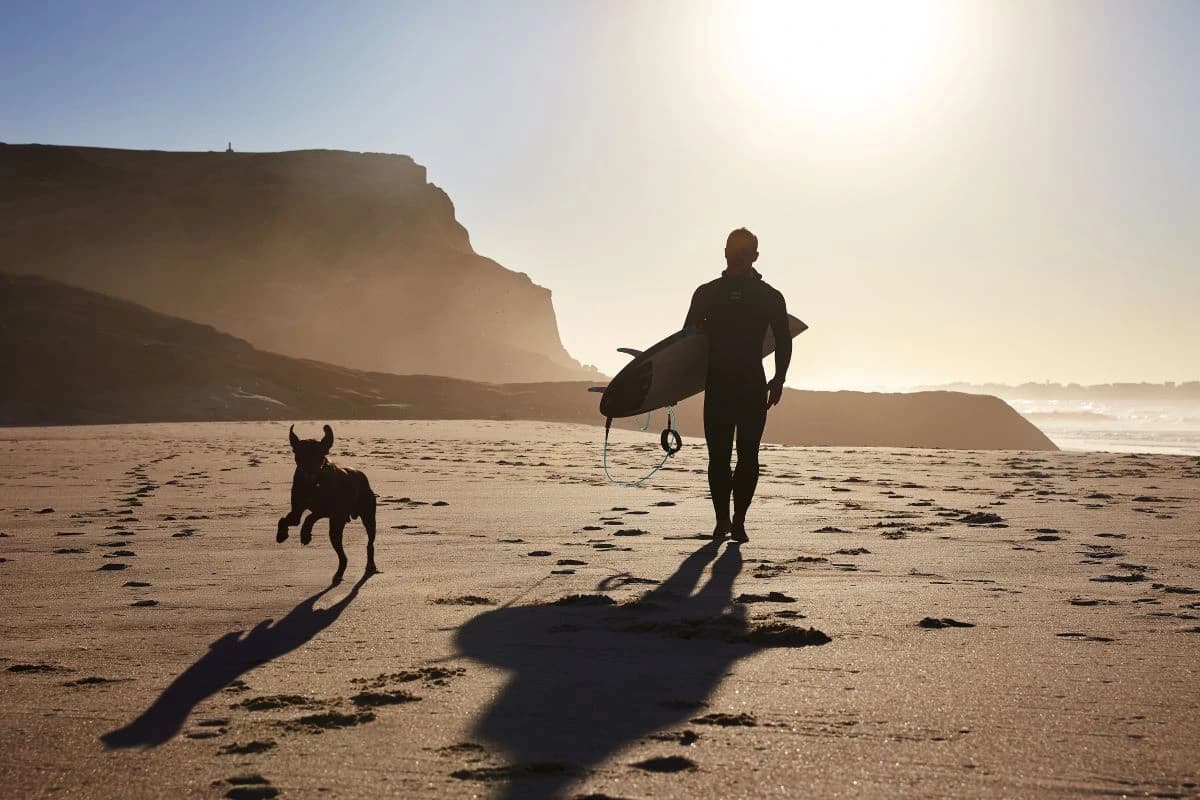
During spring and summer, gentle waters and steady breezes make sailing, kayaking, and stand-up paddleboarding especially enjoyable.
In winter, the Atlantic swells grow stronger, producing powerful waves that attract surfers from around the world.
Popular water activities include:
Sailing: Lessons and rentals are available for beginners and experienced sailors
Diving: Highlights include trips to the Berlengas Islands from Peniche, offering clear waters, caves, and abundant marine life
Stand-Up Paddleboarding: Enjoy glassy mornings on Óbidos Lagoon or inside São Martinho do Porto Bay, ideal for families
Kayaking: Explore tidal inlets, birdlife, or coastal stretches on calm days
Jet Skiing: Available in designated zones near marinas and major beaches
Tip: For flat-water conditions, head out early in the morning on the lagoon. For surf, follow local forecasts for Peniche and Nazaré.
Living on Portugal’s Silver Coast
Silver Coast Property
Compared with the popular resort towns of the Algarve and big cities like Porto and Lisbon, your money goes a lot further when you’re looking for Silver Coast real estate.
The diverse property market includes modern city apartments, seaside villas in beach towns, traditional townhouses close to essential services, and isolated and private farmhouses in the countryside.
No matter which kind of view you’d like to wake up to, whether you want hustle and bustle or peace and quiet, you can find properties of all kinds in this region for prices that would be unthinkable in the capital.
The Silver Coast offers investors smart choices for full-time living, second homes, or long-term property investment in Portugal.
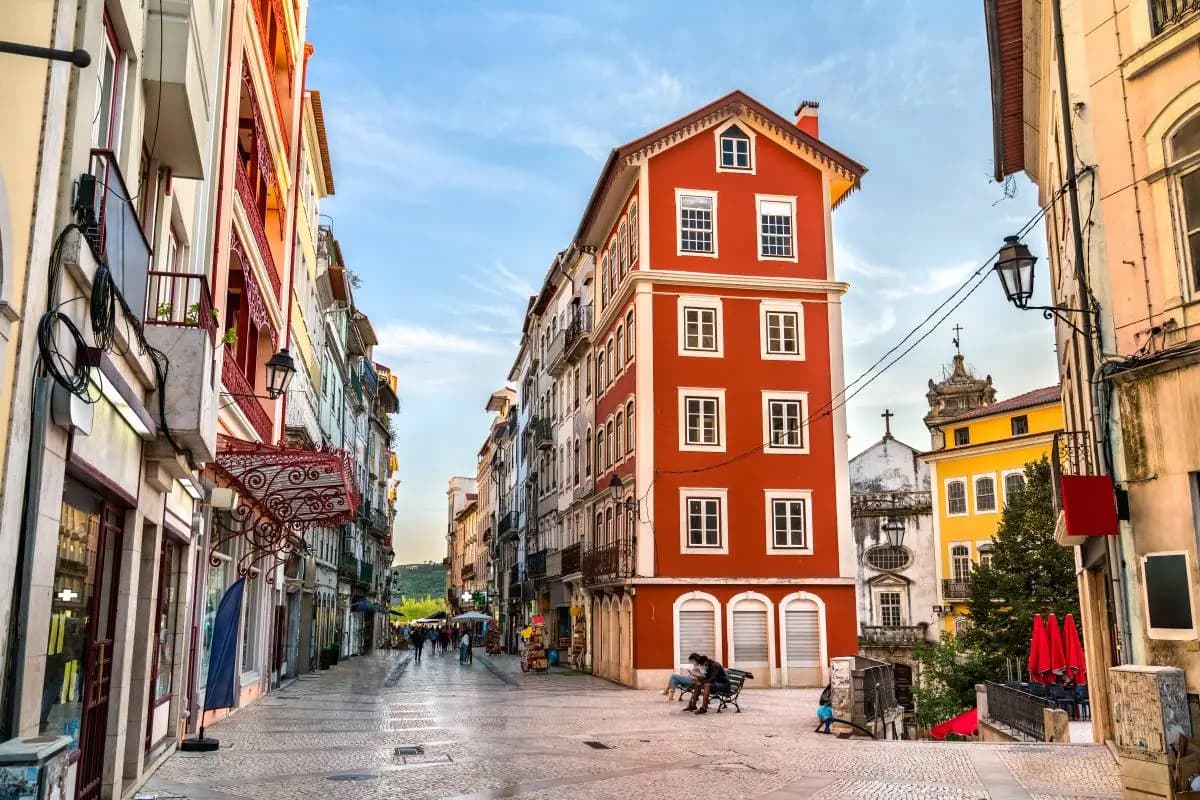
Services & Infrastructure on the Silver Coast
Areas north of Lisbon like the Silver Coast have become increasingly popular with people looking to escape the high prices of the capital.
This increased demand has led to a consequent improvement in the infrastructure and provision of services in the region.
What this means is that living in the Silver Coast, you can combine low costs and a coastal lifestyle with easy access to high-quality:
This is one of the last affordable destinations in Europe with easy access to amenities, and undoubtedly the one with the most lifestyle appeal.
Accessibility on the Silver Coast
If you need something that can’t be found locally, or if you’re travelling regularly, living in the Silver Coast doesn’t mean being cut off from the outside world.
The region is well connected by road, with the A1 and A8 motorways providing a link to Lisbon and the A1 and A17 leading to Porto and the North.
Public transport connections are also strong, with rail links connecting many of the regional cities to the major metropolises and regular coach services connecting to smaller towns.
The nearest airport depends on which part of the coast you find yourself in: northern sections are closer to Porto, while Lisbon Airport offers the closest option for many southern areas.
Where to Live on the Silver Coast
Nazaré
A visit to Nazaré is essential for anyone exploring the Silver Coast.
Once a small fishing town, Nazaré is now one of the most famous beach towns on the Portuguese coast, and its beaches are likely to be full of people in the summer.
Known for its long sandy beaches, traditional clothing, and the funicular leading up to the part of town perched upon a high cliff, it’s one of the most picturesque seaside resorts in the area, increasingly popular not only with tourists but also with investors relocating to the Silver Coast.
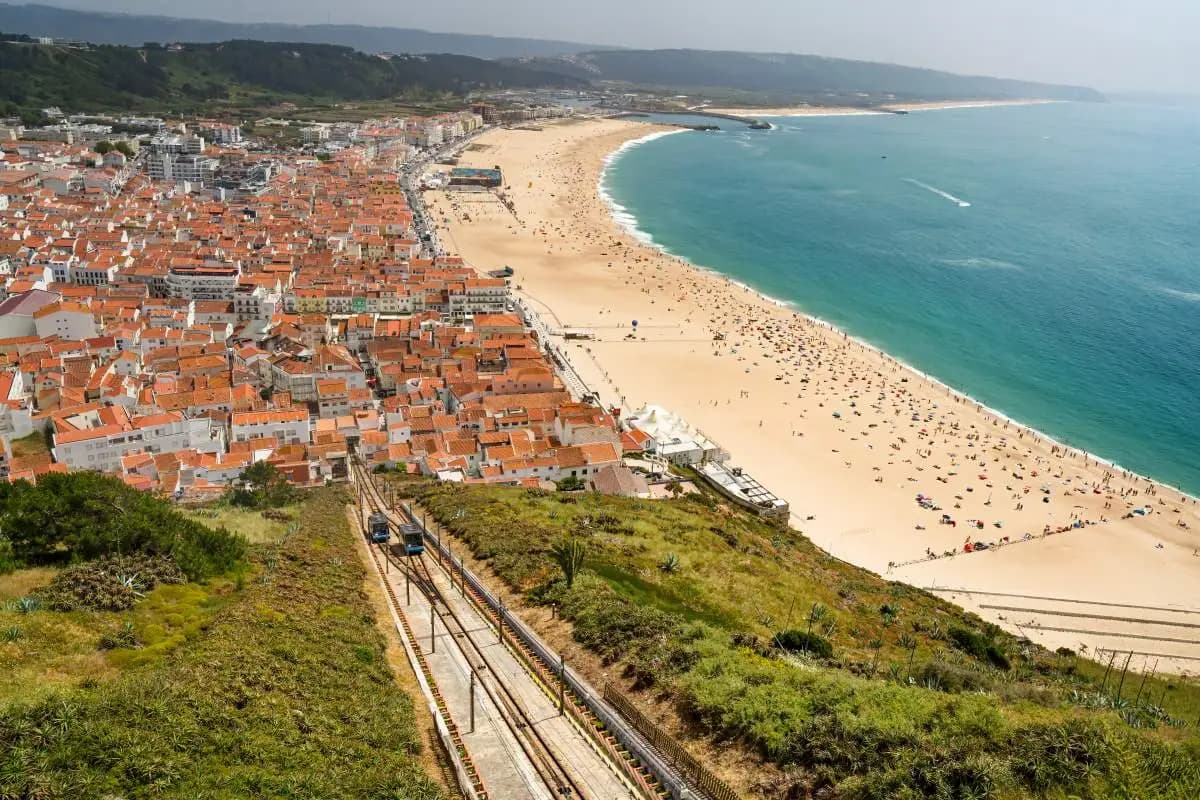
However, during winter, Praia do Norte becomes the stage for the other thing it’s known for, something quite different entirely: some of the largest waves ever surfed.
Since big-wave pioneer Garrett McNamara brought global attention to Nazaré in 2011, the town has become the world’s premier big-wave surfing destination.
Praia do Norte has since hosted multiple Guinness World Records, including:
The largest wave ever surfed: 26.2 m (86 ft), Sebastian Steudtner, 2020
The largest wave surfed by a woman: 22.4 m (73 ft), Maya Gabeira, 2020
In fact, 8 out of the 10 biggest waves ever surfed were caught in Nazaré
This prodigious size is all thanks to the underwater Nazaré Canyon, the largest submarine canyon in Europe, which allows waves to approach the coast at much greater speeds than elsewhere.
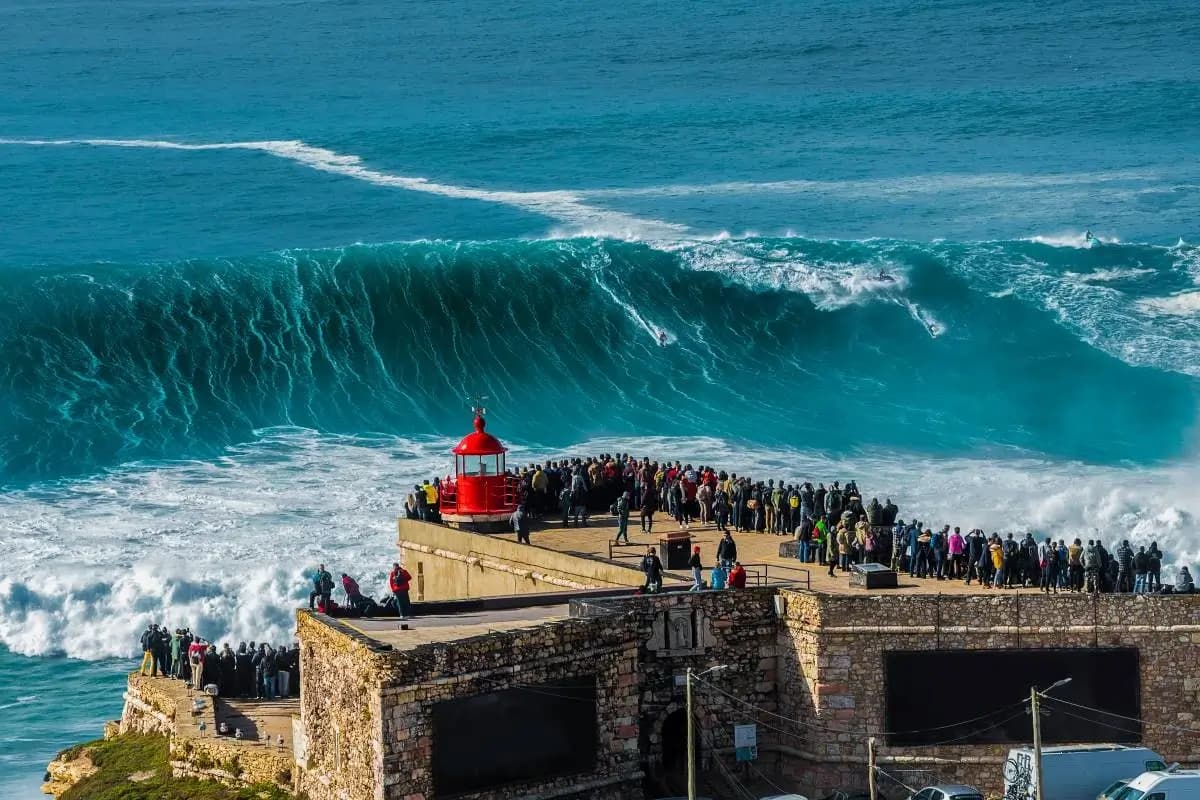
Thanks to this effect, waves reach extraordinary heights, drawing athletes to the beach and photographers and spectators to the clifftop Forte de São Miguel Arcanjo for a good view.
Practical note: Big-wave season runs from late autumn to early spring. For calmer beach days, visit outside major swells or choose sheltered locations like São Martinho do Porto Bay.
Óbidos
Built by the Moors in the 8th century, the castle town of Óbidos was conquered by the Portuguese during the reign of the first King of Portugal, Afonso Henriques, in 1148.
Nowadays, it is a popular attraction known for its picturesque winding streets, traditional architecture, and beautifully preserved walls.
These wrap around the entire town, and visitors can walk along their tops and encounter an astonishing view over miles and miles of the surrounding countryside.
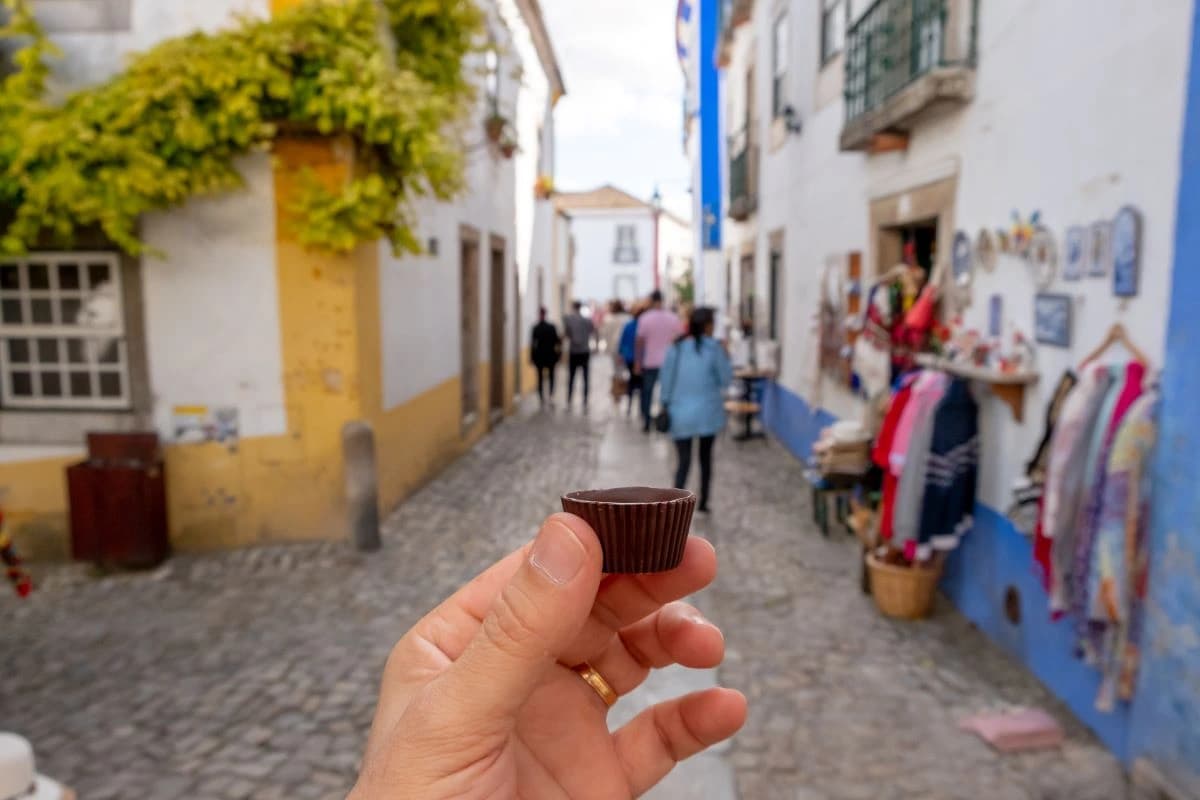
Óbidos is also known for its traditional ginjinha, a sweet liqueur made from the sour cherry, or ginja, which is traditionally drunk from a small chocolate cup that you can then eat.
Óbidos is quieter and more lifestyle-focused than some coastal towns in the region, but whether you come for a day trip or to stay, it’s sure to impress.
Aveiro
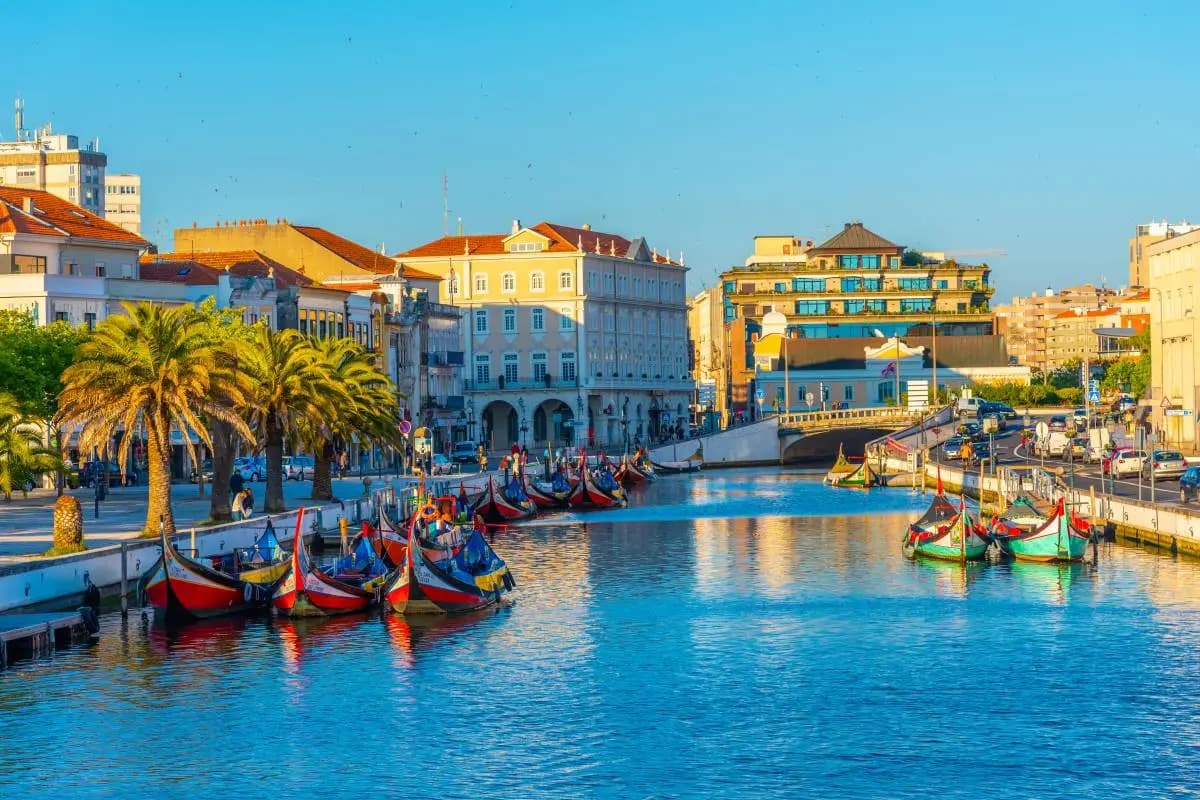
In the northern fringe of Portugal’s Silver Coast is what’s known as “the Venice of Portugal”: the city of Aveiro.
Located on the edge of a large lagoon and inhabited since prehistoric times, Aveiro was historically a centre for the production of salt and was also known for seaweed gathering.
It was this latter activity that gave rise to the colourful painted boats, known as moliceiros, that are one of the city’s best-known symbols.
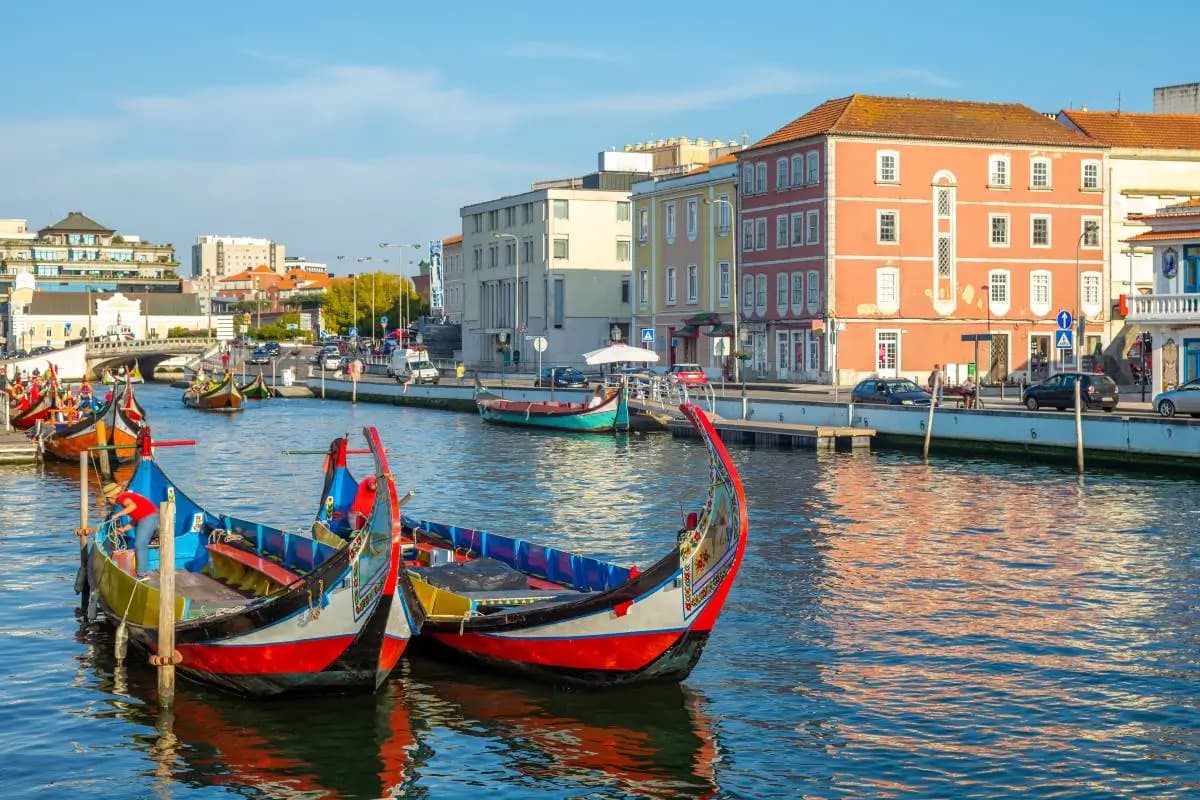
Visitors can take rides in these boats through the city’s canal network and admire the beautiful and well-preserved Art Nouveau architecture of the city centre.
Aveiro is also a university town: the University of Aveiro is one of the biggest higher education institutions in the region, and the city has a strong student culture as a result of this.
As one of the larger cities in the region, Aveiro has a decidedly more urban feeling and also offers easier access to services, amenities, and transport connections.
Which Silver Coast City Is Best For…
If you’re looking for the classic beach lifestyle, whether that means relaxing on the sand or adrenaline-pumping surfing to you, the colourful, historic beach town of Nazaré offers the complete package, from the narrow beachfront streets of the old town to the wild, wind-tossed sea views from the hill.
Hoping to experience the deep history and tranquility of the Silver Coast? Spend a few days wandering the winding, cobbled streets of the medieval walled town of Óbidos and feel the centuries of history that have passed through its castle walls.
For a city feel that combines cultural tradition and modern convenience, it’s hard to beat the Venice of Portugal. Aveiro is iconic for its colourful traditional boats and waterways, but it is also one of the region’s main hubs for business, transport, commerce, and education.
How to Explore the Silver Coast in Five Days: A Suggested Itinerary
If you want to understand the region before committing, a good way to get a taster of it is with a trip around the key towns and cities
Here’s an example 5-day itinerary to explore the region:
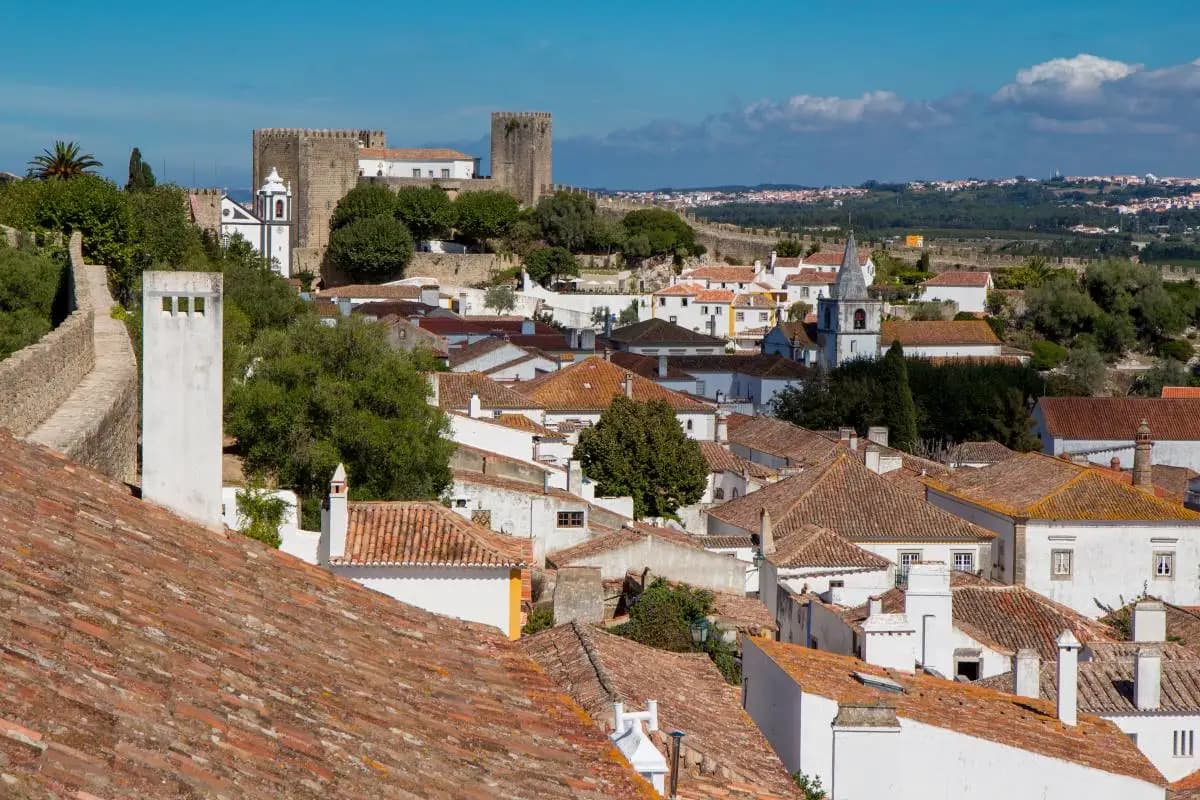
Day 1: Óbidos
More than just a picturesque tourist spot, this castle town offers an excellent entry point into the culture and history of the Silver Coast. Make sure to try the traditional ginja, a cherry liqueur that you can drink from an edible chocolate cup.
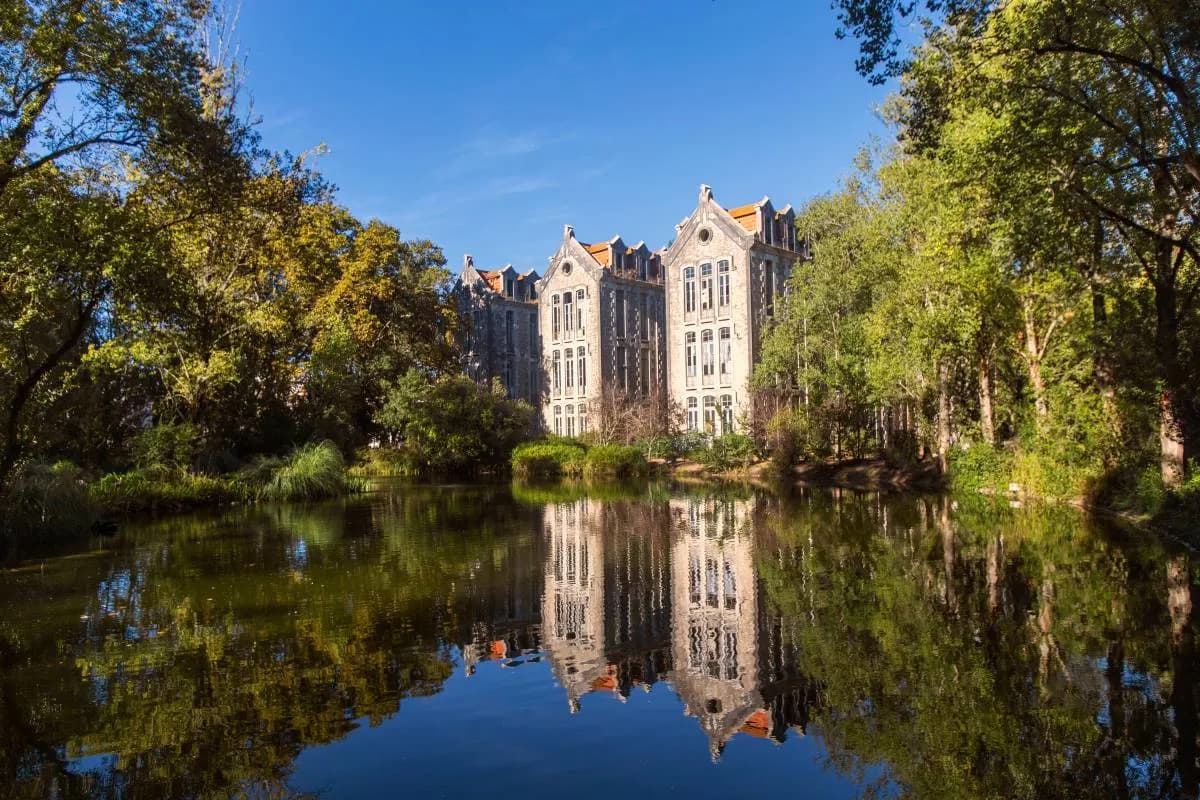
Day 2: Caldas da Rainha
Once a centre of ceramics production, Caldas da Rainha is now known as a university town and regional cultural hub. Check out the vibrant local life and don’t miss the ceramics museum.
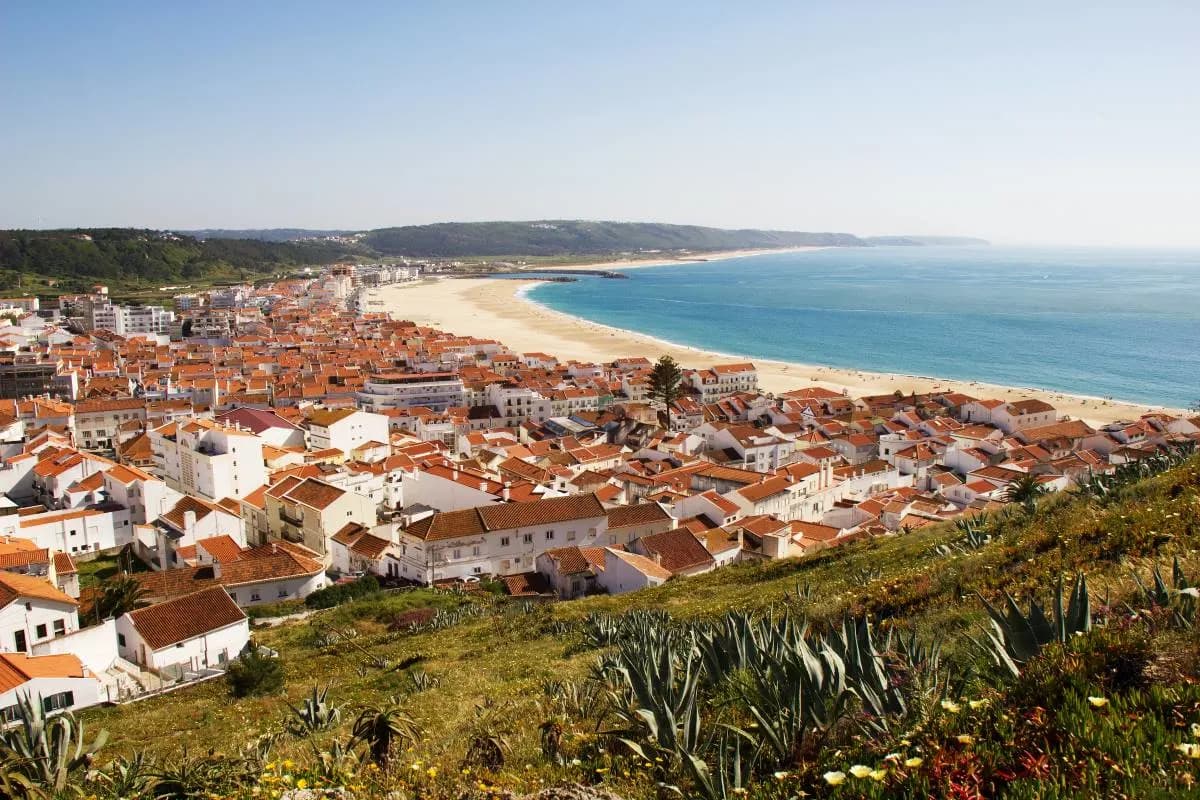
Day 3: Nazaré
One of the most famous surfing spots in the world, Nazaré is the perfect place to dip into the wild Atlantic and feel the raw energy that put this town on the map, or simply relax on the beach with an ice-cream.
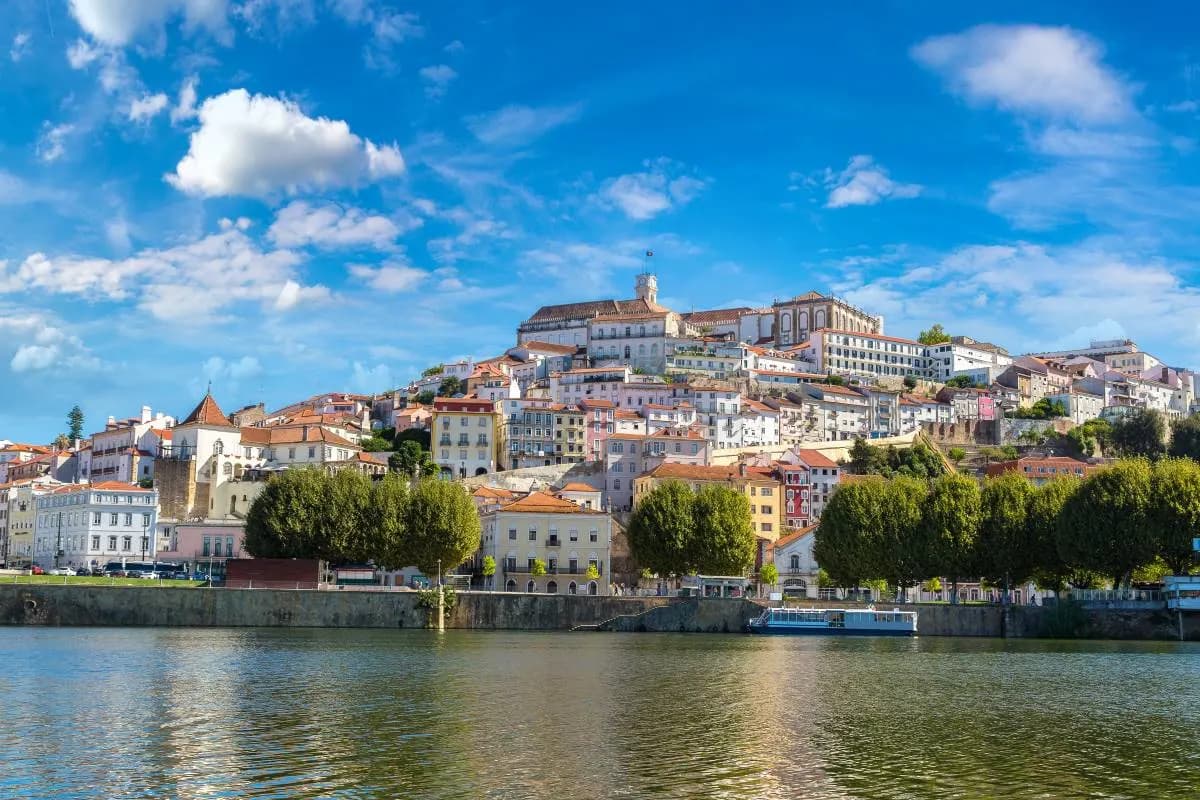
Day 4: Coimbra
Step back through time into this enchanting yet vibrant university town, one of the oldest in the world, and enjoy the local specialty, a heavy dish of goat stewed in red wine called chanfana.
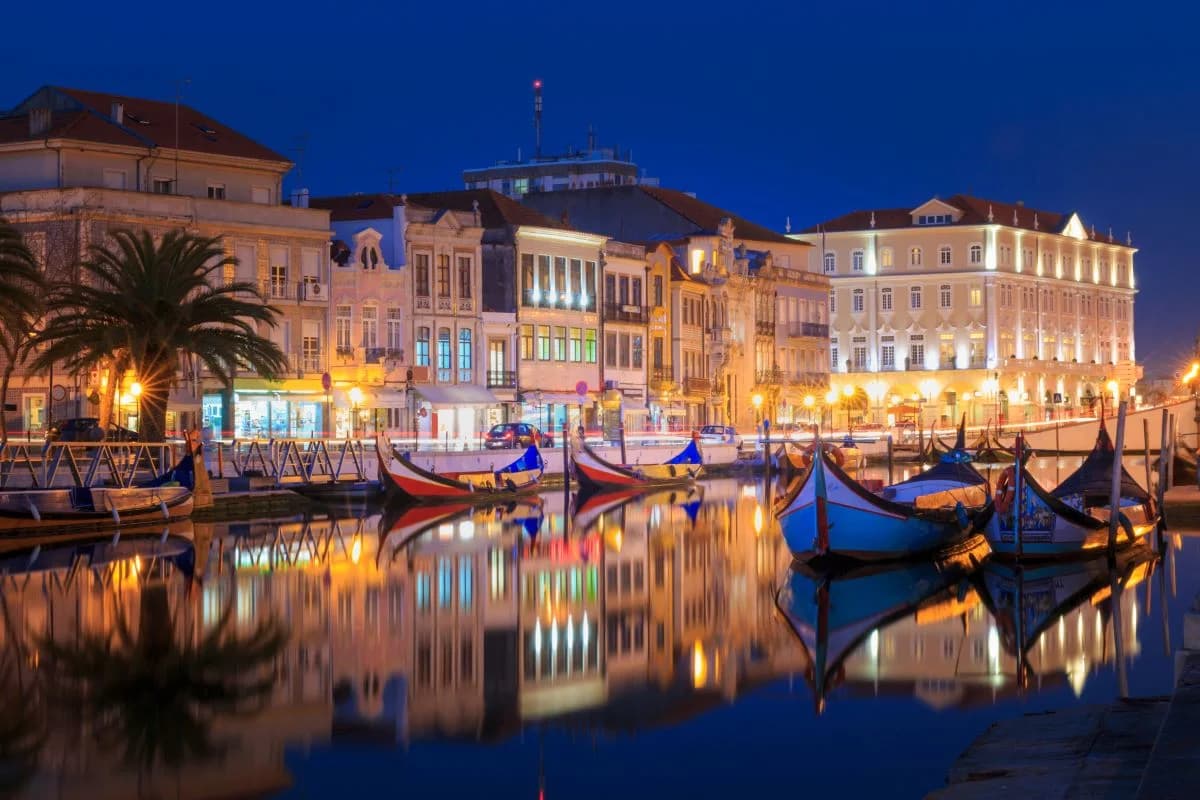
Day 5: Aveiro
The city provides a modern but scenic close, showing the region’s most developed urban centre while simultaneously offering a glimpse of picturesque local traditions and history.
Of course, this itinerary only scratches the surface of everything there is to see and get to know along Portugal’s Silver Coast.
But the most important element is simply getting a feel for the atmosphere, attitude, and relaxed lifestyle that make this region so special.
Why Portugal’s Silver Coast Stands Out
Portugal’s Silver Coast offers something that is increasingly rare in 2026:
Better value than touristic regions like the Algarve
A less saturated market with quieter towns
Growing interest, with prices increasing as more and more people look north of Lisbon
Long-term potential that combines lifestyle appeal with growing demand, promising a rewarding investment.
Portugal Homes is here to help you find the right opportunity, whether for lifestyle, relocation, or investment, every step of the way.




Talk to one of our Real Estate Experts
Portugal Homes
Get the best property advice.