Portugal Homes
Get the best property advice.
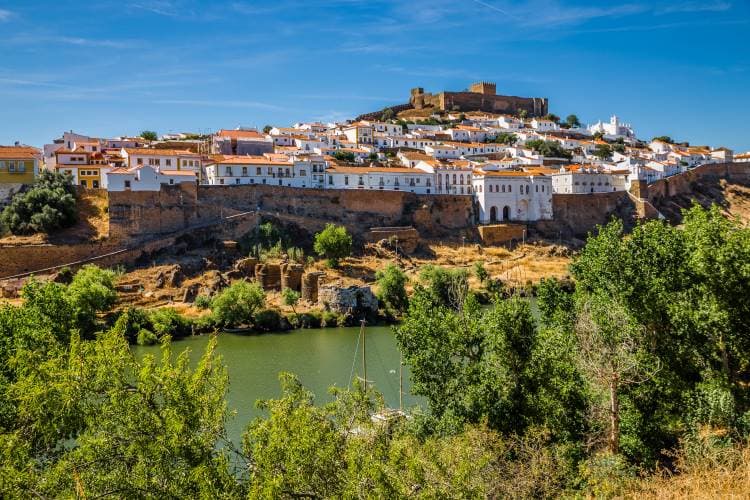
Beja is located in southern mainland Portugal and is believed to have been founded around 400 BC by an ancient Celtic settlement. With a long and layered history, the city today serves as the district capital and a key urban centre of the Alentejo region.
Exploring Beja
Beja lies in the southern region of continental Portugal and was originally founded by Celtic peoples who occupied territories south of the Tagus River, including what are now the Alentejo and Setúbal regions. The city later became part of the Roman Empire for approximately 600 years, followed by nearly four centuries under Arabic Caliphate rule.
In 1162, Beja was reconquered by Christian forces, marking a turning point in its history. For several centuries thereafter, the city remained relatively small and was heavily affected by the Napoleonic invasions.
From the 20th century onward, Beja experienced renewed development with the construction of new schools, judicial buildings, and commercial infrastructure. More recently, the inauguration of Beja International Airport in 2011 marked an important step toward regional economic growth.
Things to Do in Beja
OviBeja Fair

OviBeja is an annual event that celebrates agriculture in all its forms, from production and processing to services and innovation. It functions not only as a major business and networking hub but also as a forum for discussing technological advances and scientific research in the agricultural sector.
The fair holds strong cultural significance for the local community, bringing music, arts, entertainment, and exhibitions to the city, and attracting visitors from across the region and beyond.
Castelo de Beja
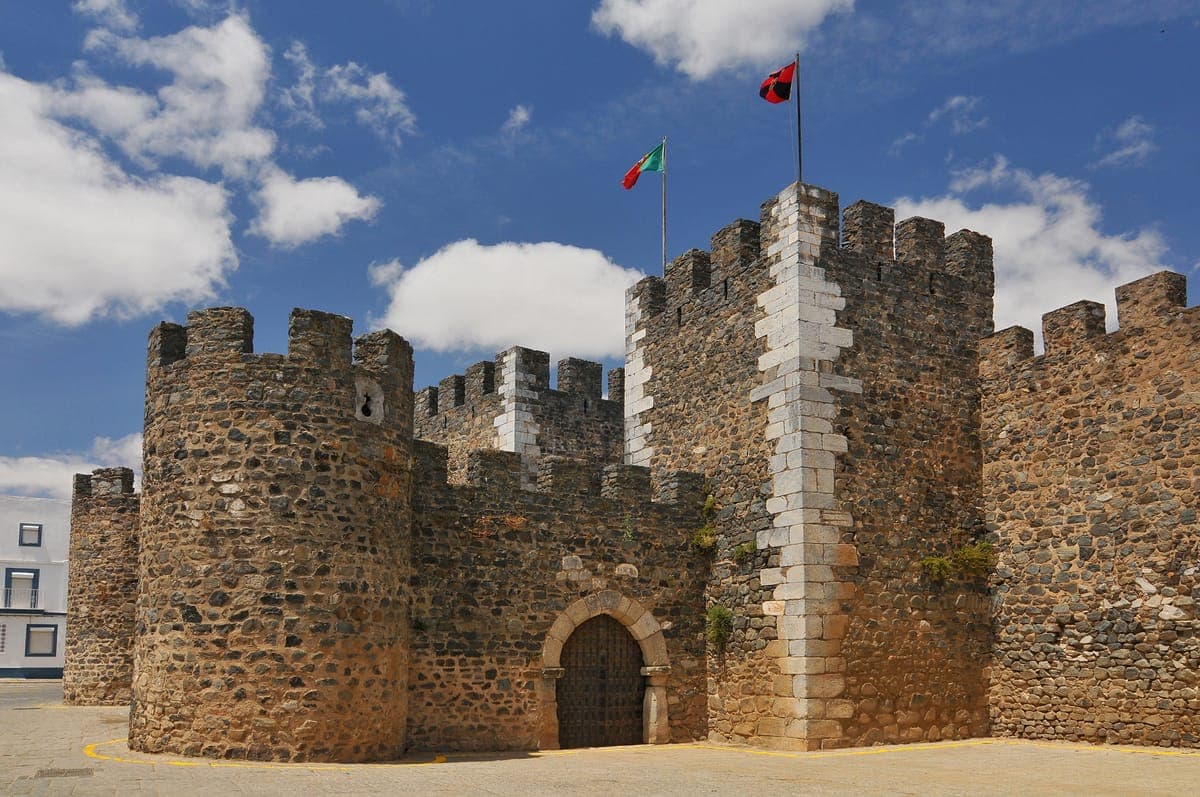
The Castle of Beja is the city’s most iconic monument and a defining feature of its skyline. This Gothic fortress was built in the 13th century and is best known for its imposing main tower, which rises nearly 40 metres and is considered by some historians to be a masterpiece of European Gothic military architecture.
Fragments of the medieval walls that once surrounded the city are still visible today, including 28 towers and sections of the original fortifications.
Teatro Municipal Pax Julia
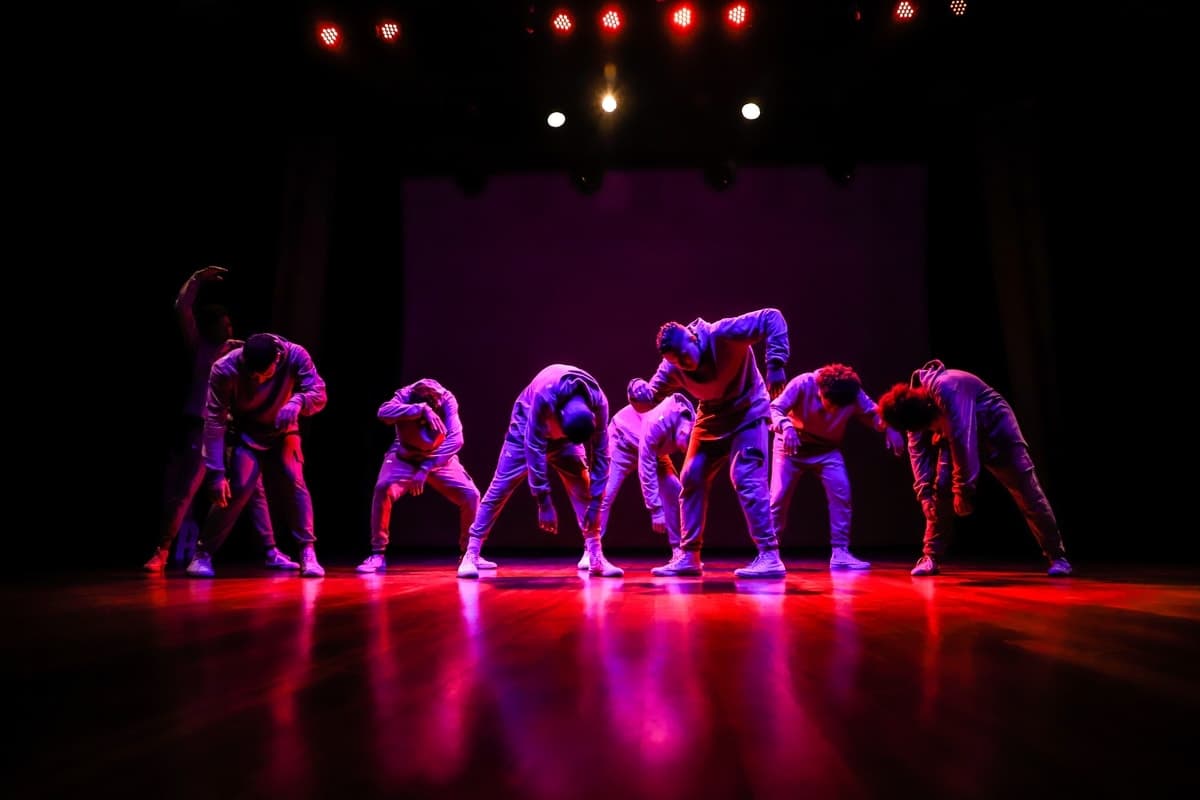
The Pax Julia Municipal Theatre is a landmark cultural institution deeply rooted in Beja’s collective memory. Plans for its construction date back to the mid-19th century, when local residents formed the Sociedade Teatral Bejense and acquired buildings attached to the Convent of Nossa Senhora da Conceição.
After a long construction process, the theatre officially opened on 19 December 1928. It has since undergone major renovation and modernisation works, first in the 1950s and again in the 21st century, ensuring its continued relevance as a cultural venue.
Parque da Cidade
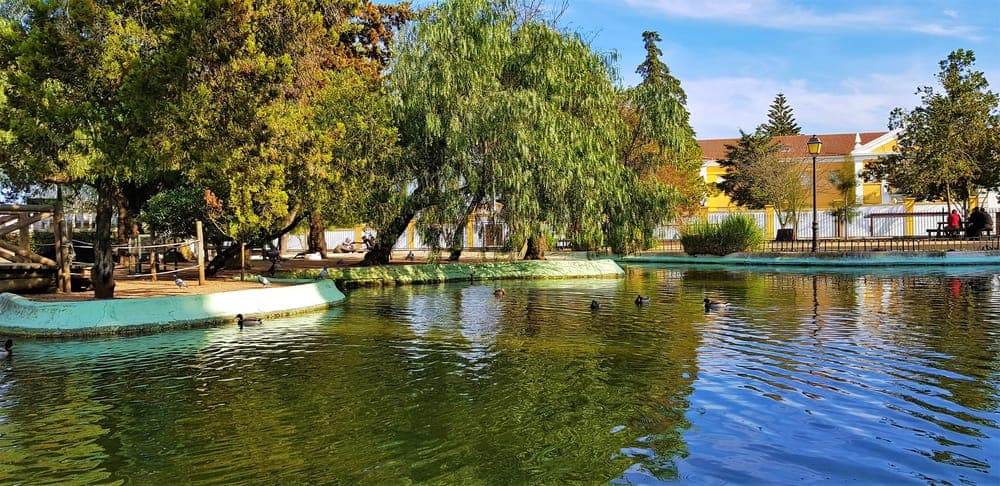
Beja City Park is located in a central area of the city, adjacent to the courthouse, and forms part of the city’s ecological structure. It connects with other outdoor spaces to create a continuous green corridor dedicated to leisure, recreation, and environmental sustainability.
Featuring a lake, fountain, and mature trees, the park offers a welcome retreat from the intense Alentejo summer heat and is an ideal place to relax, walk, or sit in the shade.
Villa Romana de Pisões
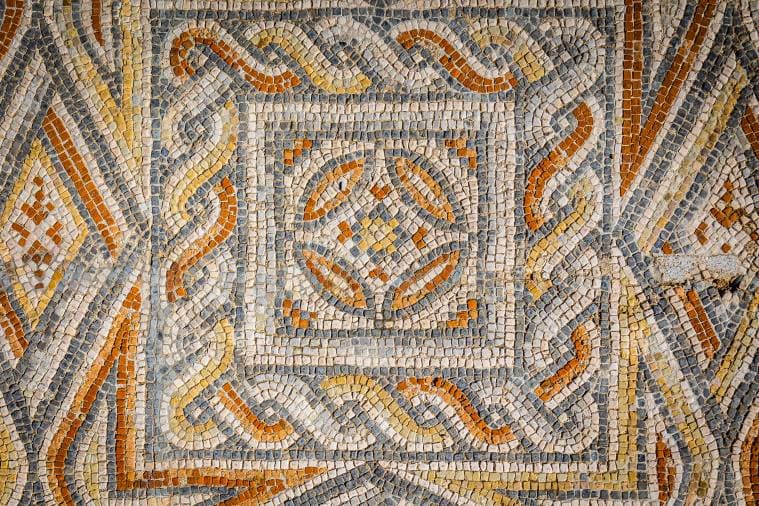
The Roman Villa of Pisões was accidentally discovered in February 1967 during agricultural work. Subsequent archaeological excavations revealed a remarkably well-preserved Roman villa of significant historical importance.
Roman villae were common agricultural structures throughout Alentejo, reflecting Roman land use and settlement patterns. Pisões stands out as one of the best-preserved Roman villas in the Iberian Peninsula, particularly known for its colourful geometric mosaics and well-preserved bath complex, among the most important in Portugal.
Local Information
Transportation
Beja is served by a public bus network known as URBANAS, which covers both the city centre and surrounding neighbourhoods. Routes pass key public facilities such as the train station, hospital, health centre, schools, universities, and major commercial areas.
Beja is also connected by rail via the Alentejo Line, which links the city to other regional centres such as Cuba, Castro Verde, Évora, and Barreiro, in Lisbon’s southern metropolitan area.
Shopping
Shopping in Beja is traditionally centred around local businesses in the historic core, complemented by larger supermarkets on the outskirts of the city.
The Mercado Municipal de Beja, located in the city centre, is a focal point for local commerce. On the ground floor, visitors can find fresh produce from local farmers, including fruits, vegetables, meat, cheeses, sausages, and traditional chouriços. Upper floors host additional shops and restaurants.
Another popular commercial event is the Mercado Retalhista, held fortnightly—usually on the second and fourth Saturdays of each month—specialising in clothing, footwear, jewellery, handbags, tapestries, and other goods.
Airports
Beja has its own international airport. Originally intended to attract low-cost airlines, it currently operates mainly seasonal charter flights to Paris and southern Spain, as well as serving as a facility for aircraft maintenance and storage.
To enhance the airport’s competitiveness and regional connectivity, plans have been approved for a new highway linking Beja Airport to the Port of Sines, providing faster access to Lisbon and the Algarve.
Portugal Homes
Get the best property advice.