Portugal Homes
Get the best property advice.
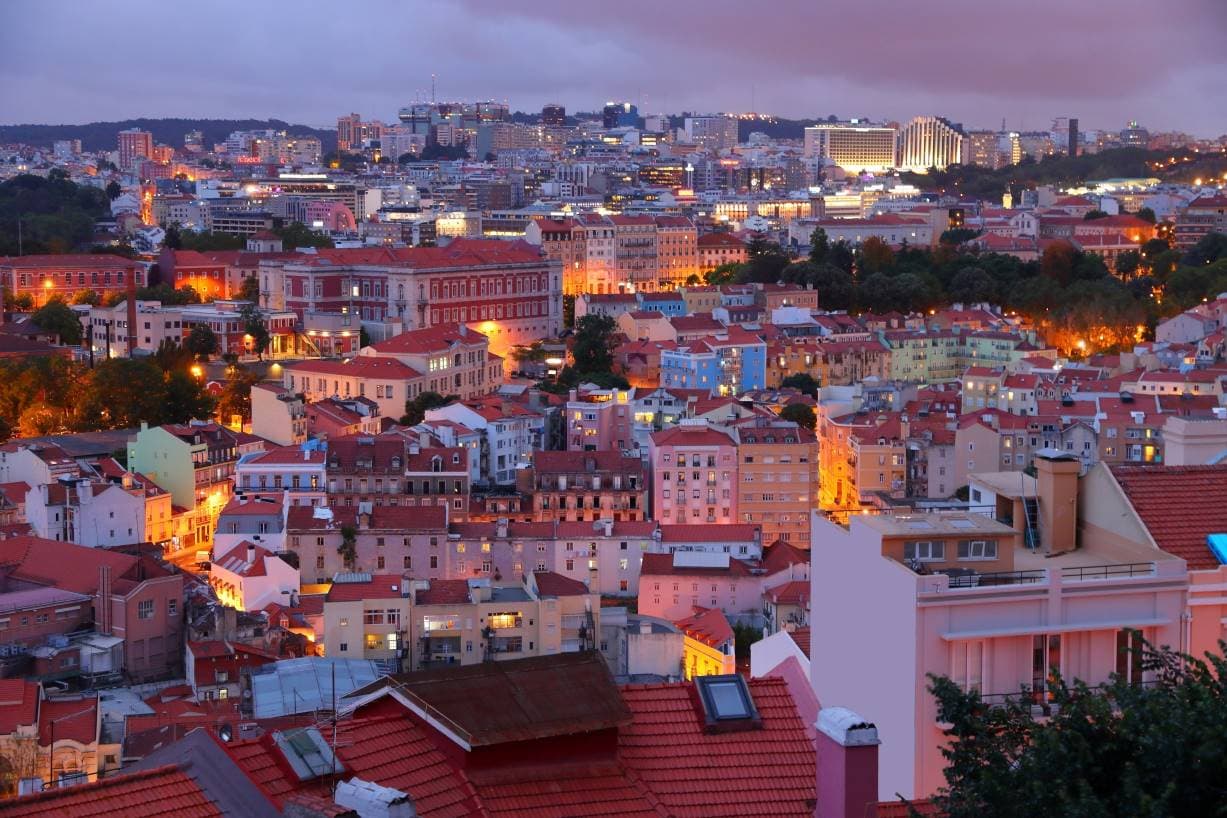
Avenidas Novas is one of Lisbon’s main business and commercial districts, also home to a significant concentration of corporate offices and commercial properties. Its central location, wide avenues, and strong infrastructure make it a key area for both professional activity and urban living.
Exploring Avenidas Novas
The parish of Avenidas Novas is characterised by a grid-like street layout, with perpendicular streets forming square blocks. The major avenues that give the area its name—literally meaning “New Avenues”—begin at the stately Avenida da Liberdade and Praça do Marquês de Pombal, near Eduardo VII Park, and extend along Avenida Fontes Pereira de Melo.
From there, the area continues through Praça Duque de Saldanha and toward Jardim do Campo Grande, following Avenida da República and its surrounding streets.
As Lisbon expanded northwards in the 19th century, Avenidas Novas became the backbone of the city’s urban development. Initially a residential district of Art Nouveau mansions built for the middle classes, it gradually evolved into one of Lisbon’s primary business and commercial centres. Today, the area is defined by its numerous shopping centres and the presence of many well-established national and international companies.
Although Avenidas Novas does not have as many major historical landmarks as other historical areas of the city, it attracts a significant number of visitors due to its range of hotels and its proximity to one of Lisbon’s most important cultural institutions: the Calouste Gulbenkian Museum.
Things to Do in Avenidas Novas
Calouste Gulbenkian Museum
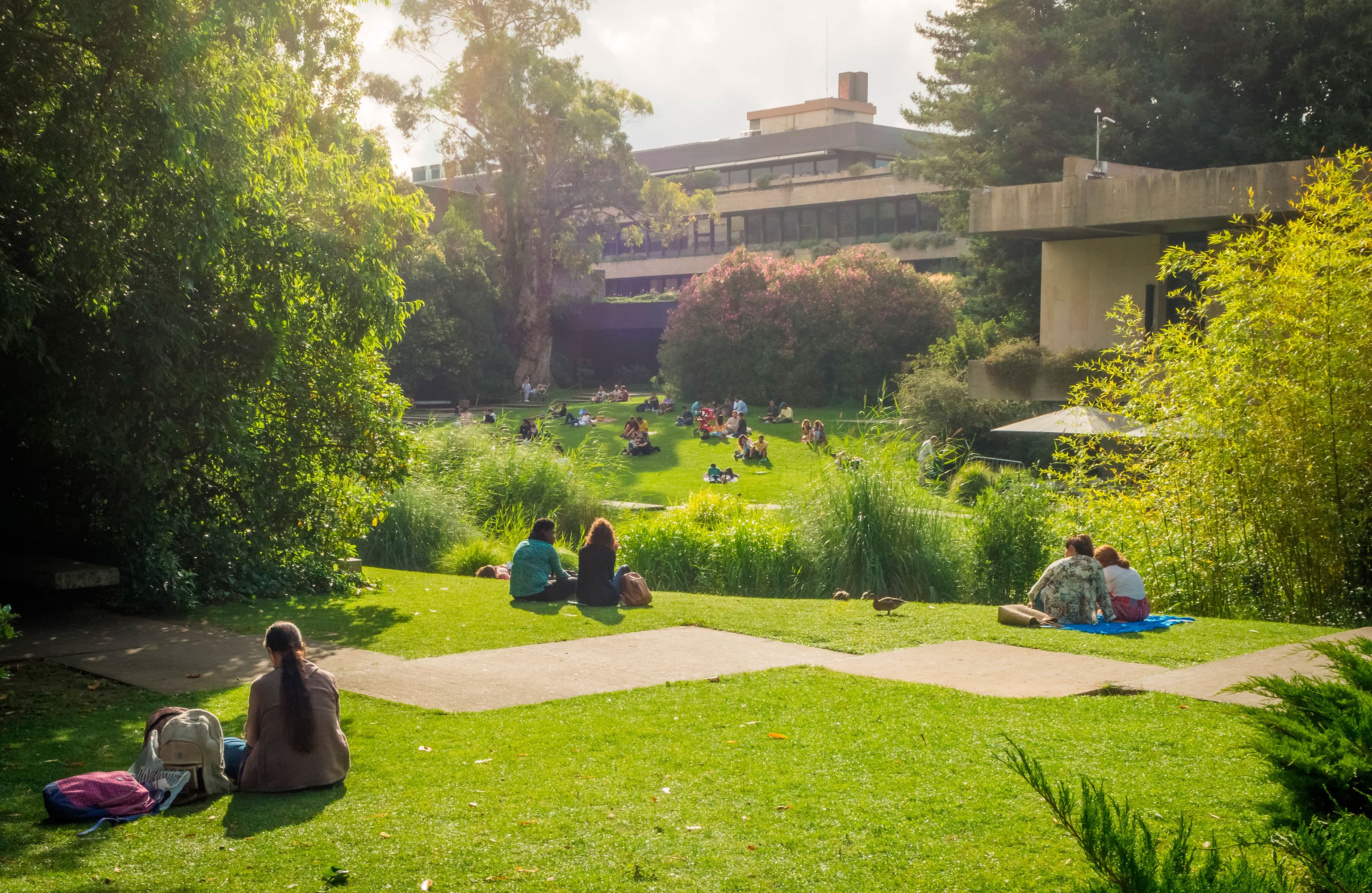
The Calouste Gulbenkian Museum is considered one of the world’s great museums and one of Europe’s most underrated cultural treasures. Located northeast of Eduardo VII Park, it forms part of the Calouste Gulbenkian Foundation and houses an exceptional collection spanning Egyptian, Greek, Roman, Islamic, Asian, and European art.
The museum underwent extensive restoration and modernisation in 2001, and many of its masterpieces have been exhibited internationally, including at the Metropolitan Museum of Art in New York.
Surrounding the museum is the Gulbenkian Garden, a notable example of Portuguese landscape architecture. The garden offers a peaceful setting for leisure and cultural activities and showcases a diverse range of plant species.
Fonte Luminosa
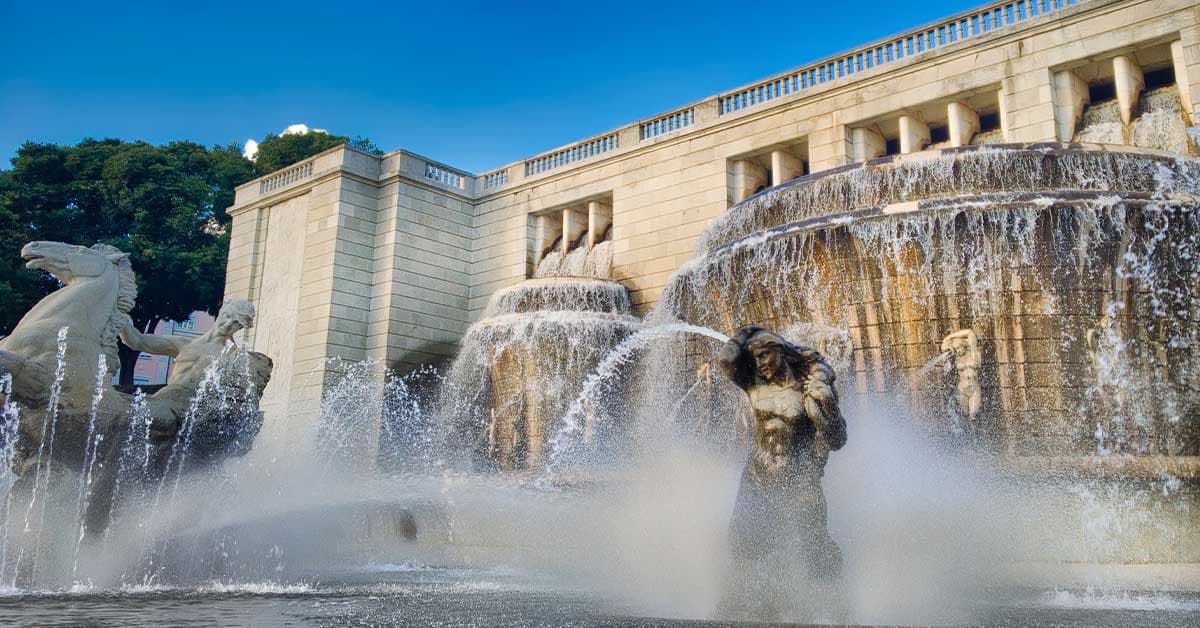
Located in the heart of Avenidas Novas, Fonte Luminosa was built in 1940, during a time when much of the world was at war while Lisbon remained at peace. The monument features a large basin fed by cascading water from elevated platforms and is adorned with sculptural elements, including a Triton on horseback and four mermaids.
The term “luminous fountain” refers to the nightly light display, which begins approximately 15 minutes after sunset. Additional water shows take place in the afternoon and evening. Visitors can also climb a small set of stairs to the top of the monument for elevated views of the fountain and the surrounding boulevard.
Campo Pequeno Arena
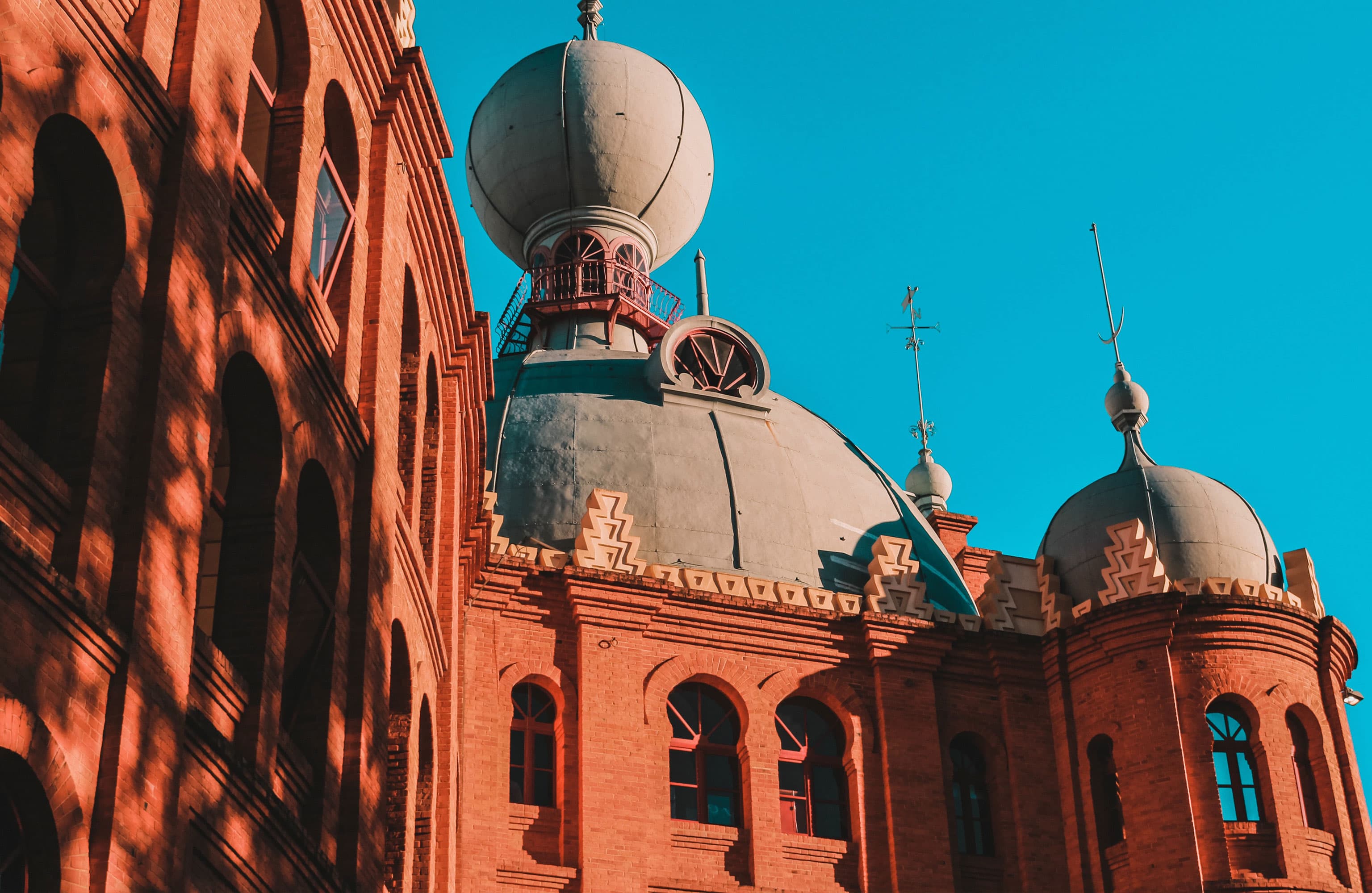
Campo Pequeno Arena has hosted Portuguese bullfights since 1892 and is one of Lisbon’s most distinctive architectural landmarks. This grand neo-Moorish building, constructed entirely of brick, underwent major renovations in 2006.
Today, Campo Pequeno houses a bullfighting museum, a shopping centre, a cinema, and numerous restaurants. Entry to the arena costs approximately €3, while bullfight tickets typically range from €15 to €80.
Pimenta Palace
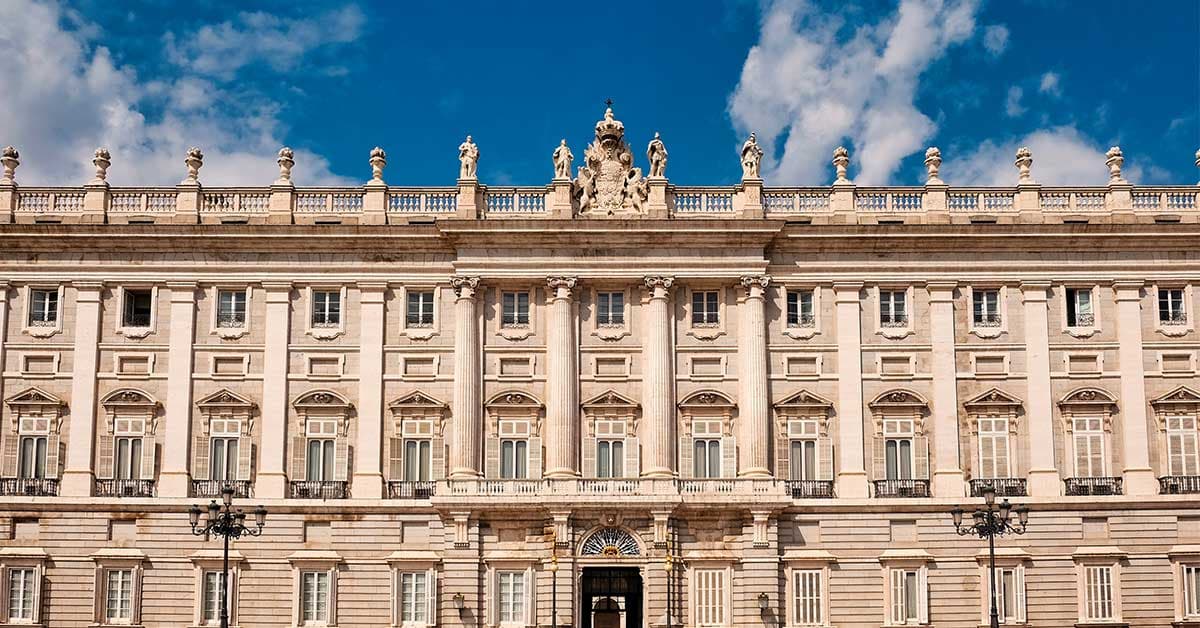
Part of the Museum of Lisbon, a multi-site institution comprising five locations—Pimenta Palace, the Roman Theatre, Saint Anthony Museum, Casa dos Bicos, and the West Tower—Pimenta Palace is located in Campo Grande and is named after its former owner, Manuel Joaquim Pimenta.
Though its history is relatively lesser-known, the palace is an important example of 18th-century suburban civic architecture. The Baroque building features a pilastered façade and a columned entrance portal. According to legend, King João V commissioned the palace as a residence for Madre Paula, a nun from the Odivelas Monastery and his alleged mistress, making it a discreet venue for royal encounters.
The palace was acquired by Lisbon City Council in 1962, renovated along with its gardens, and became the headquarters of the Museum of Lisbon in 1979. Today, it houses a wide range of exhibitions illustrating Lisbon’s history from its earliest origins.
Bordalo Pinheiro Museum
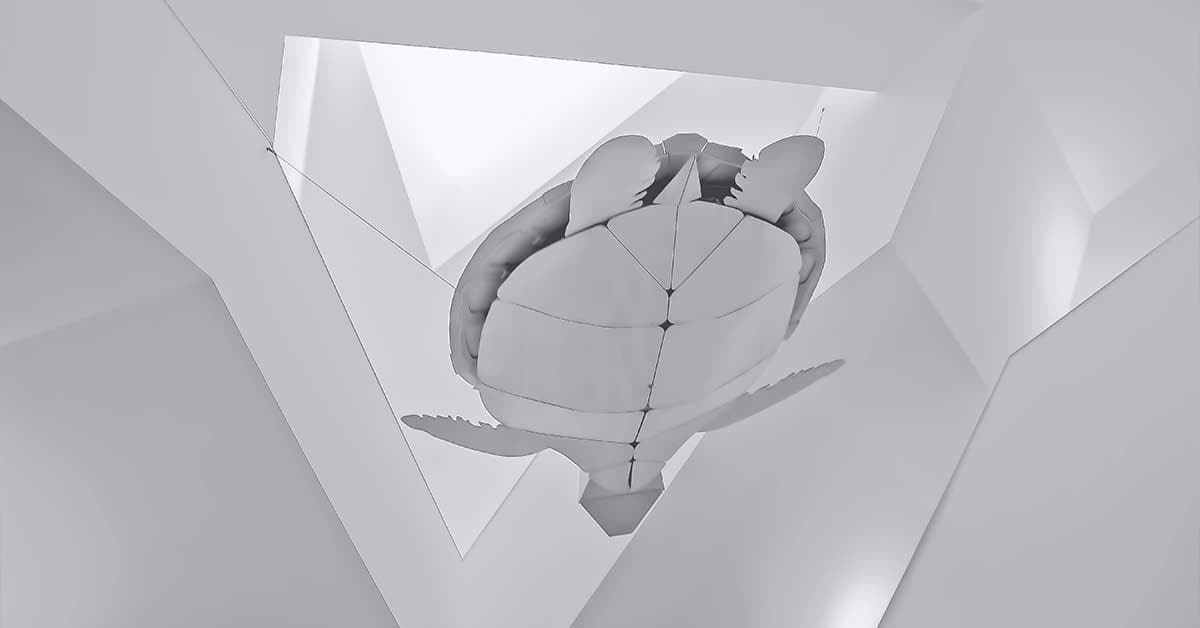
The Bordalo Pinheiro Museum, opened in 1916, is dedicated to the life and work of Rafael Bordalo Pinheiro, one of Portugal’s most influential cartoonists. The museum’s collection includes over 3,000 prints, 900 drawings, and 1,200 ceramic pieces inspired by popular culture.
Located in Campo Grande, the museum presents a permanent exhibition divided into thematic sections, including self-portraits, the iconic character Zé Povinho, ceramics, multimedia works, and historical testimonials, offering a comprehensive insight into Bordalo Pinheiro’s artistic legacy.
Local Information
Transportation
Located in the heart of Lisbon, Avenidas Novas benefits from excellent transport connections. Several metro stations serve the area, including Entrecampos, Campo Pequeno, Saldanha, Picoas, Parque, Marquês de Pombal, and São Sebastião, providing easy access to all parts of central Lisbon.
In addition to the metro, frequent bus and tram services operate throughout the day, offering convenient connections between the northwestern and southeastern areas of the city.
Shopping
Avenidas Novas offers a wide range of shopping options that blend seamlessly into the neighbourhood’s urban character. Shopping centres such as Monumental, Centro Comercial do Campo Pequeno, and Saldanha Residence cater to everyday needs and leisure shopping.
Nearby, El Corte Inglés, Lisbon’s only standalone full-range department store, offers a premium retail experience. The store features high-quality designer fashion, home furnishings, gourmet food, and an extensive selection of international brands.
Airports
Located approximately 7 kilometres from the city centre, Lisbon Portela Airport is Portugal’s main international airport and one of the largest in southern Europe. Thanks to its proximity, travelling between the airport and Avenidas Novas is both quick and convenient.
The journey takes around 40 minutes by metro, using stations such as Entrecampos, Campo Pequeno, Saldanha, Picoas, Parque, Marquês de Pombal, or São Sebastião. Taxis and bus services are also readily available.
Portugal Homes
Get the best property advice.