Article
.webp&w=3840&q=75)
Portugal Homes
Get the best property advice.
There has never been a more pressing need for plan Bs and options.
As certain regions become increasingly unstable, the importance of securing a safe haven—and a reliable contingency plan—has grown more acute.
For many individuals, global mobility represents the ideal solution: the ability to cross borders with ease, made possible through dual citizenship.

What is Dual Citizenship?
Many people begin life with a single citizenship, typically acquired through jus sanguinis (by blood, i.e., the citizenship of one or more of your parents) or jus soli (by birthright, i.e., the citizenship of the country you are born in).
But you can become a dual citizen if you hold citizenship and a passport from a second country.
Most countries permit dual or multiple citizenship, but some jurisdictions will require an oath of allegiance that could conflict with responsibilities in the individual’s country of origin.
On the positive side, dual citizens typically enjoy full legal rights, including the ability to vote, own property without restriction, and reside under the protection of local laws.

Dual Citizenship in Portugal
Does Portugal allow dual citizenship? The answer is unequivocally yes.
Portugal doesn’t require you to renounce your original nationality, making it an ideal option if you wish to retain your birthright while expanding your global mobility.
Here’s how you can obtain Portugal dual citizenship:
By Investment: This route grants legal status in exchange for an investing in Portugal’s economy, like an investment in a business or in approved funds.
By Descent: Some countries extend citizenship across multiple generations. If you have a Portuguese grandparent, you may be eligible to apply.
By Naturalisation: After fulfilling a statutory residency requirement, you may apply for citizenship. In Portugal, expats are typically eligible for naturalisation after ten years of lawful residence.
By Marriage: Certain countries offer expedited or facilitated citizenship through marriage, although residency and minimum-duration requirements may still apply.
Many prospective applicants lack the benefit of ancestral ties or a qualifying spouse, or the flexibility to reside abroad for extended periods.
In such cases, investment migration often emerges as the most direct and manageable pathway to securing a second nationality.
Portuguese Dual Citizenship
Portugal remains one of the most attractive European countries for individuals seeking dual or multiple citizenship, particularly given the country’s open and permissive approach to nationality.
As a member of the European Union, Portuguese nationals also enjoy the privileges of EU citizenship .
These include the freedom to move, live, and work across other Schengen Area countries, including Austria, Belgium, Bulgaria, Croatia, Czechia, Denmark, Estonia, Finland, France, Germany, Greece, Hungary, Iceland, Italy, Latvia, Liechtenstein, Lithuania, Luxembourg, Malta, the Netherlands, Norway, Poland, Romania, Slovakia, Slovenia, Spain, Sweden, and Switzerland.

Portugal’s Passport Ranking in 2026
Portugal consistently ranks among the world’s strongest passports.
In 2026, the Portuguese passport maintained its position in third place across several global indices, granting visa-free or visa-on-arrival access to approximately 178–179 countries.
For those who view a second passport as a strategic safeguard or a lifestyle upgrade, Portugal’s ranking further underscores its appeal.
Peace of Mind
Alongside exceptional travel freedom, Portugal stands out for its peaceful and secure environment.
In 2025, it ranked seventh on the Global Peace Index, reinforcing its position among Europe’s safest and most socially stable nations.
This further supports the view that Portugal is one of the world’s most desirable destinations for acquiring dual citizenship.

What Other Countries Allow Dual Citizenship?
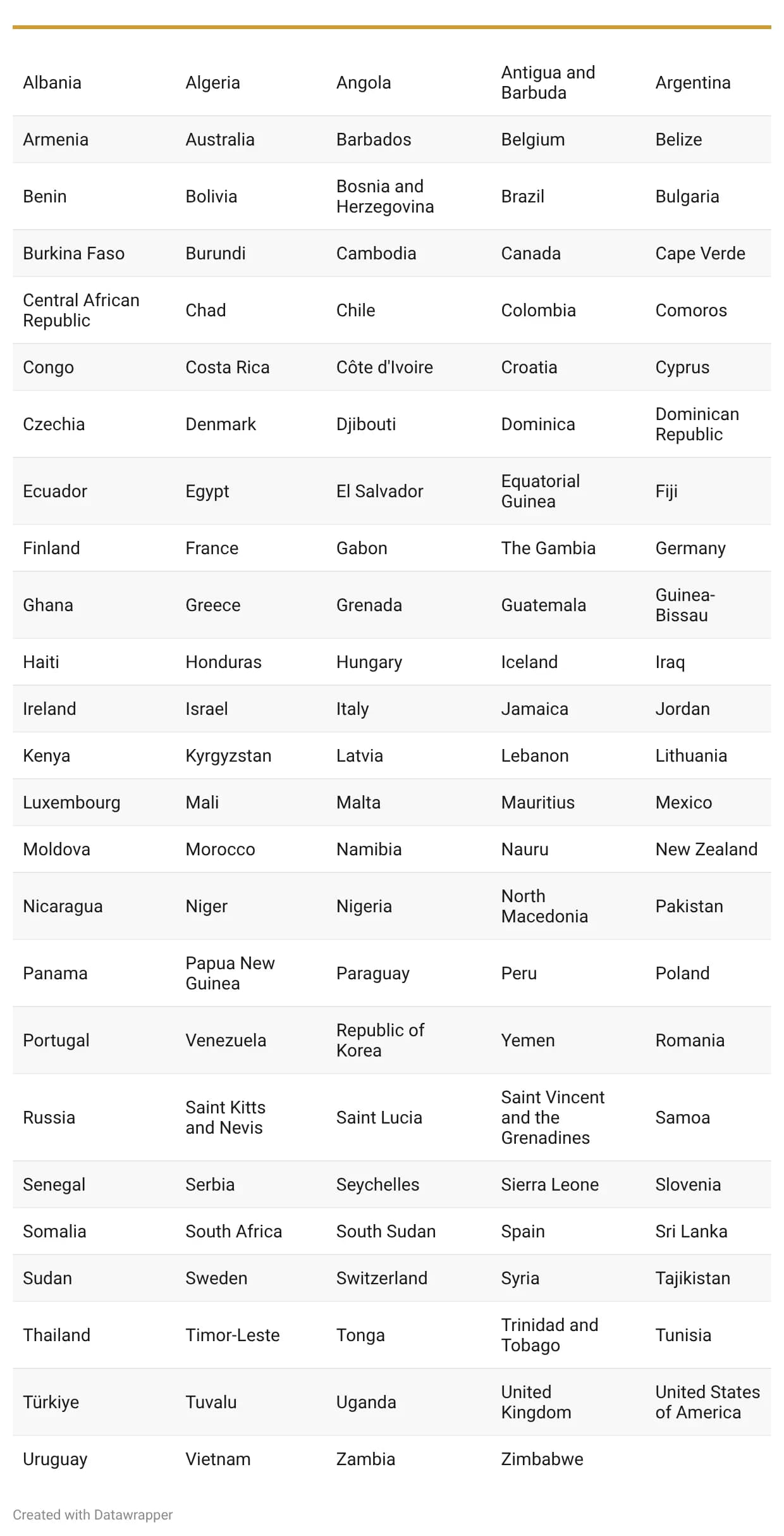
More than 100 countries recognise dual (or multiple) citizenship, spanning much of Europe, the Americas, and other regions worldwide.
Like Portugal, these countries permit both their own nationals to acquire an additional passport elsewhere and foreign nationals to obtain citizenship without renouncing their existing nationality.
Below is an updated 2026 overview indicating which countries allow dual citizenship and which strictly prohibit it.
While this information is compiled from reputable open-source reports, readers should always consult official government sources or a qualified legal advisor to confirm the latest policy developments.
Countries that Don’t Allow Dual Citizenship in 2026
These nations obligate foreign applicants to forfeit their prior citizenship or simply do not allow dual citizenship altogether.
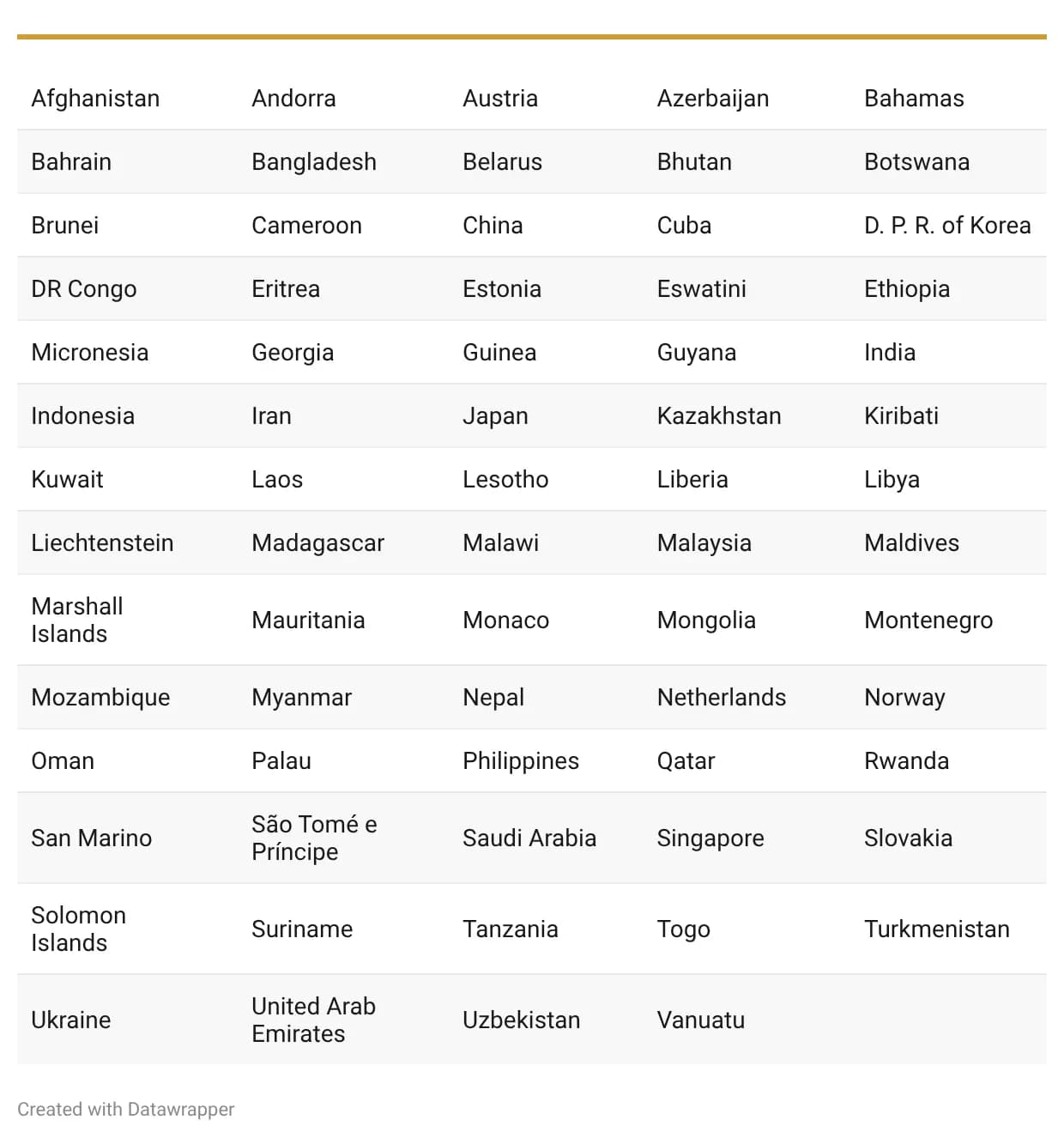
» Disclaimer: While this aggregated data is current for Q2 2026, some nations have exceptions or particular allowances. Always seek updated government publications or professional guidance for the most accurate information.
Frequently Asked Questions about Dual Citizenship
Portugal Homes
Get the best property advice.