Article
Portugal Homes
Get the best property advice.
Choosing where to live in Porto is one of the most important decisions when relocating, investing, or settling long term in Portugal’s second city.
Each neighbourhood offers a very different lifestyle, price point, and long-term outlook, and the right choice depends as much on daily habits as it does on budget.
This guide breaks down the best neighbourhoods in Porto, explaining who they’re best for, what living there is really like, and the trade-offs to consider before committing.
Why Live in Porto?
Porto combines historic character with modern urban living in a way few European cities manage.
Its UNESCO-listed centre, Atlantic coastline, and growing creative scene have attracted a steadily expanding international community, while the city has retained a strong local identity.
Compared to Lisbon, Porto is smaller, calmer, and easier to navigate.
Everyday life revolves around neighbourhood cafés, markets, and walkable streets, while infrastructure, public transport, and dining options continue to improve.
For many expats and long-term residents, Porto offers a more liveable, grounded alternative to larger capitals.
Main Article:
Living in Porto: The Ultimate Guide for Expats & Foreigners
Best Central Neighbourhoods in Porto
These are the most versatile areas for expats and long-term living. If you’re unsure where to start, these neighbourhoods offer the best balance of location, lifestyle, and long-term liveability.
Cedofeita
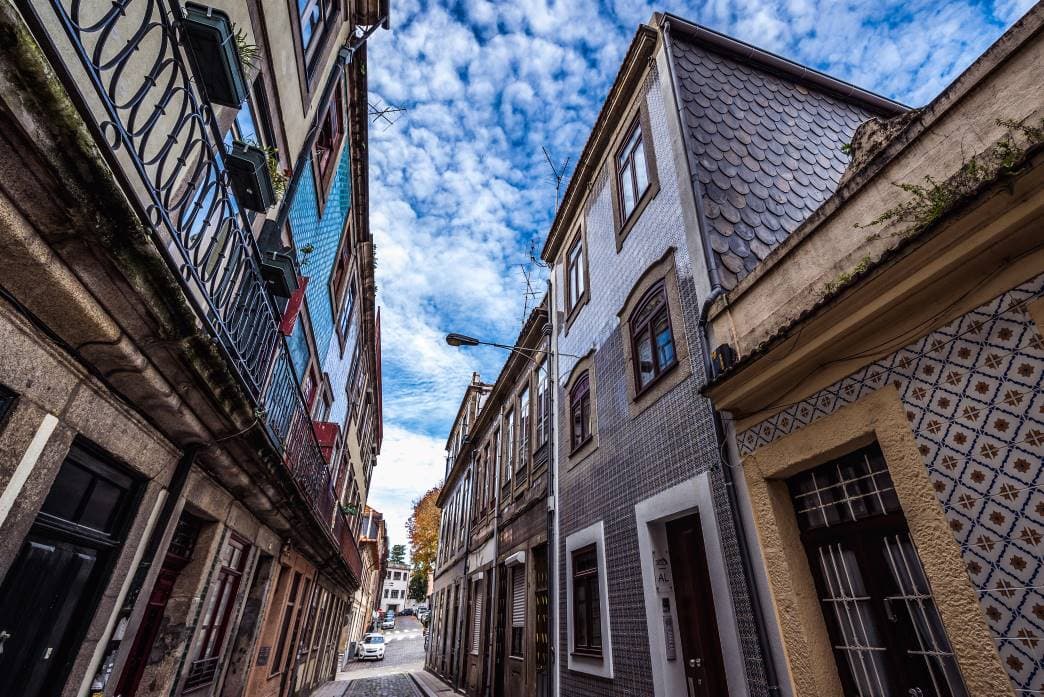
Cedofeita is widely considered the best all-round neighbourhood in central Porto.
It offers walkability, strong local life, and easy access to the historic centre without the intensity of heavy tourism.
Residents benefit from a dense concentration of cafés, restaurants, galleries, and everyday services, while still living in a functioning residential area. The neighbourhood feels active year-round rather than seasonal.
Property in Cedofeita is mostly apartments in historic or renovated buildings. Prices are mid-to-high by Porto standards, but rental demand is strong and long-term fundamentals remain solid.
Best For: First-time expats, young professionals, and couples who want a central, walkable neighbourhood with strong local life and minimal tourist pressure.
Downsides: Limited green space, difficult parking, and occasional night-time noise on busier streets.
Local Highlights: Independent cafés and galleries along Rua de Cedofeita, easy access to Baixa, and one of Porto’s strongest everyday dining scenes.
Boavista
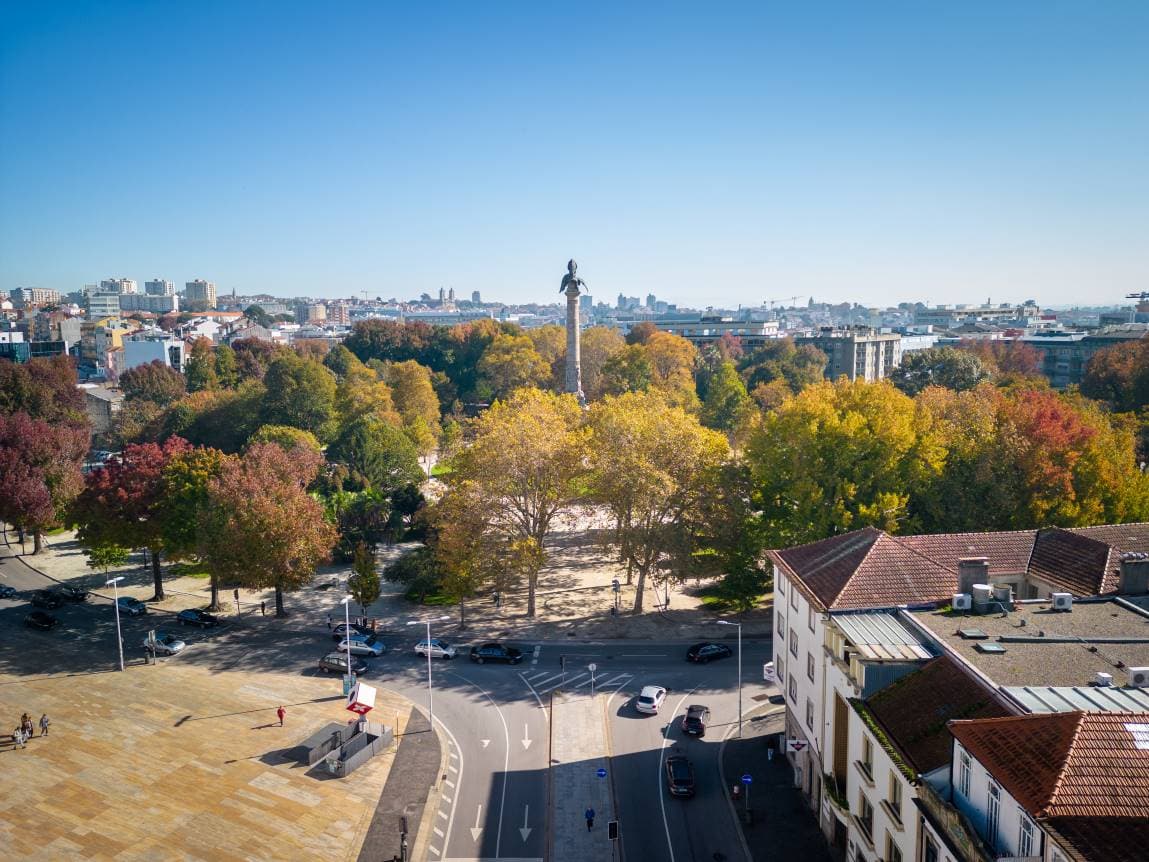
Boavista offers a more modern, practical version of Porto living. It’s less atmospheric than the historic centre, but more comfortable for long-term residents.
The area is defined by wider streets, better infrastructure, and access to offices, schools, hospitals, and cultural anchors like Casa da Música and Serralves. Apartments are typically larger and better constructed, and parking is easier than in central zones.
Boavista suits buyers and renters who prioritise comfort, space, and convenience over charm.
Best For: Families and long-term residents prioritising space, building quality, and day-to-day comfort over historic charm.
Downsides: Less atmosphere and nightlife, with a more subdued, functional feel compared to central Porto.
Local Highlights: Casa da Música, Serralves Museum and park, wide avenues, and easier parking than most central areas.
Bonfim

Bonfim is one of Porto’s fastest-evolving neighbourhoods and is often described as “up-and-coming” — with good reason.
Once overlooked, it now attracts creatives, young professionals, and early-stage expats thanks to improving cafés, breweries, cultural spaces, and strong transport links. Some areas remain transitional, but the direction of travel is clear.
Property prices are lower than in Cedofeita, with more renovation and value-add opportunities. This makes Bonfim appealing to buyers willing to accept short-term rough edges in exchange for long-term upside.
Best For: Early-stage expats, creatives, and mid-budget buyers looking for value and long-term upside in a rapidly improving neighbourhood.
Downsides: Uneven street quality and a less cohesive feel, with some areas still clearly transitional.
Local Highlights: Emerging cafés and breweries, creative studios, strong metro and rail connections, and improving food options.
Lifestyle-Driven Neighbourhoods
Excellent if they match your priorities, these areas can be outstanding places to live, but they are not universal recommendations.
Foz do Douro
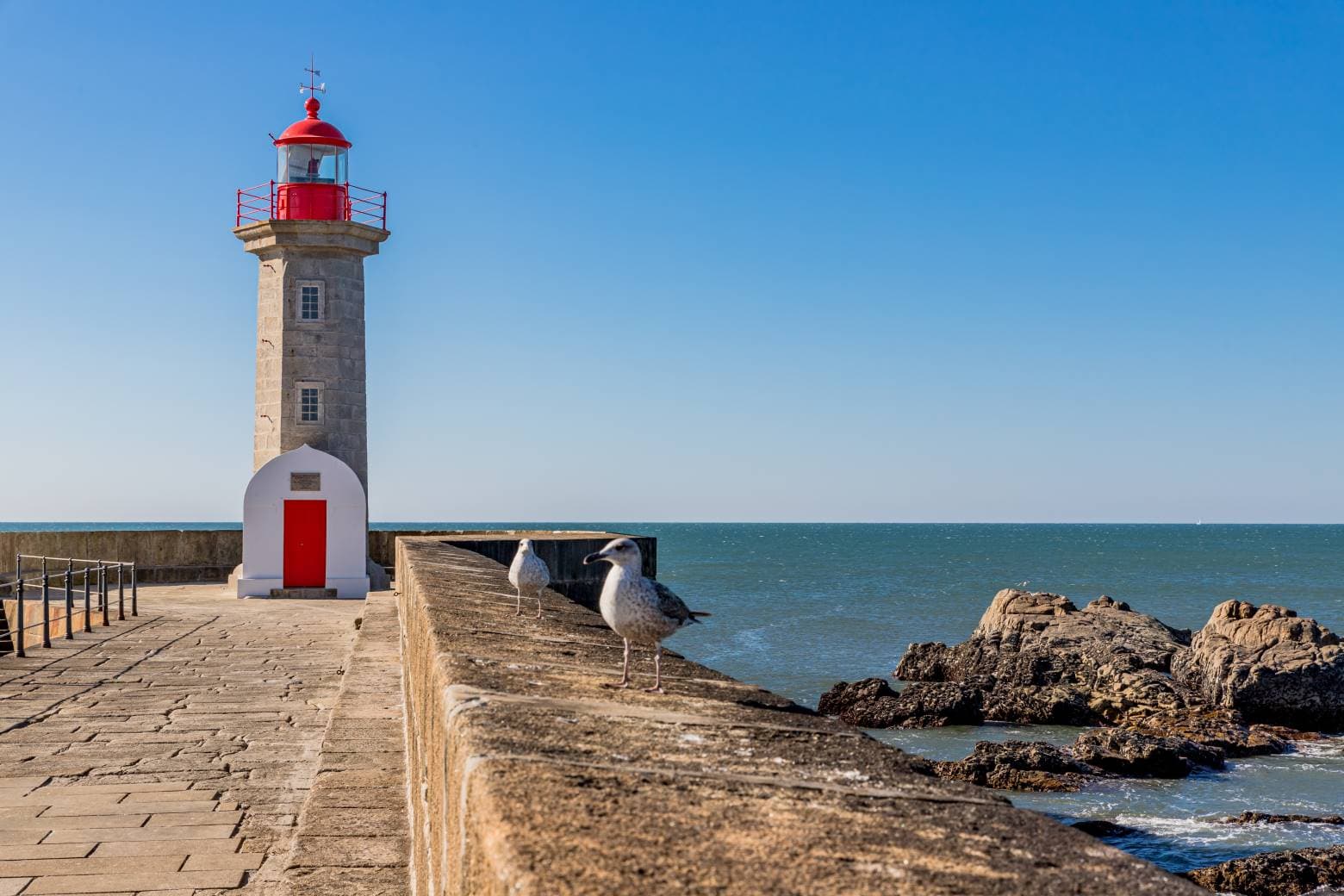
Foz do Douro is Porto’s most prestigious coastal neighbourhood. It offers ocean views, calm streets, and a slower pace of life, distinct from the city centre.
The area feels more local and residential, with limited expat concentration and a quieter social scene. Winters can be windy and grey, and daily life is less spontaneous than in central Porto.
Property prices are high, supply is limited, and appreciation potential is more constrained than in emerging neighbourhoods.
Best For: Families, retirees, and lifestyle buyers prioritising ocean access, calm surroundings, and long-term personal use.
Downsides: High prices, limited supply, and greater distance from the city centre, particularly for daily commuting.
Local Highlights: Atlantic coastline, seaside promenades, beach cafés, and a quieter, more residential atmosphere.
Vila Nova de Gaia

Located just south of the Douro River, Vila Nova de Gaia offers more space and better value than Porto proper, while remaining closely connected.
Gaia is less dense, more residential, and features newer buildings and easier parking. River and ocean access are major lifestyle draws, particularly for families.
However, daily life often depends on commuting, and the atmosphere lacks the energy of central Porto.
Best For: Families and buyers seeking more space, newer buildings, and better value while remaining close to Porto.
Downsides: Commute dependence and a less concentrated social and cultural scene.
Local Highlights: Riverfront views, larger modern developments, easier parking, and strong price-per-square-metre value.
Ribeira and the Historic Centre
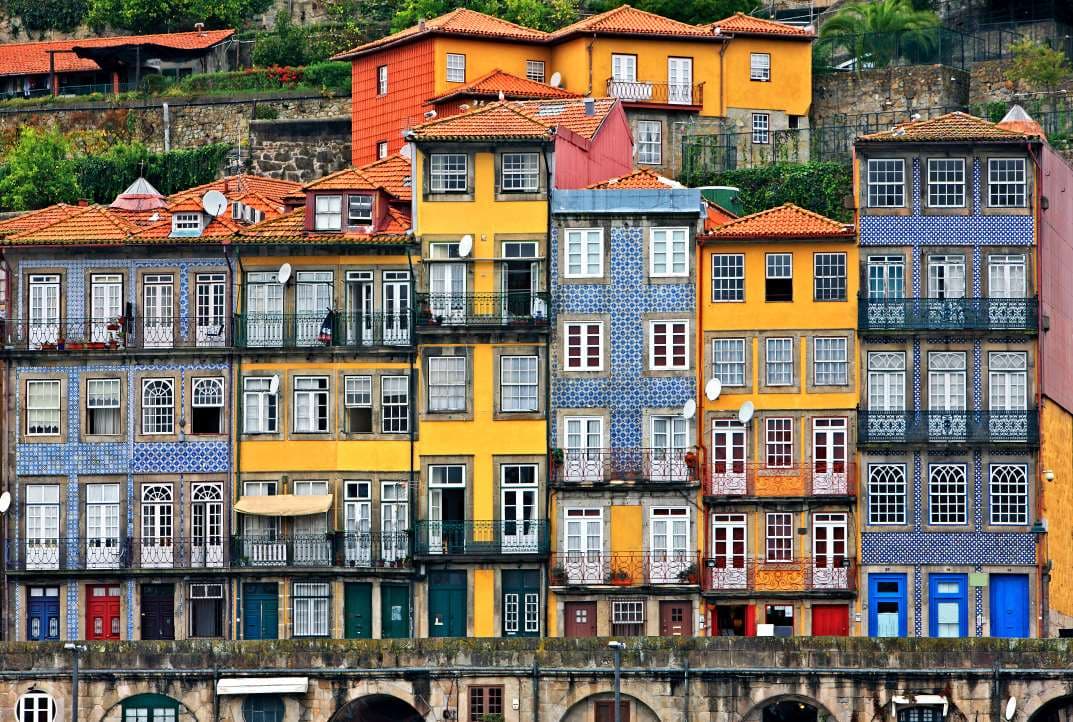
Porto’s historic centre is visually stunning but rarely practical for full-time living.
Tourism dominates the area, buildings are old and poorly insulated, and issues with noise, humidity, and access are common. Many residents eventually relocate once day-to-day challenges outweigh the views.
This area works best for short stays or very carefully chosen investment properties.
Best For: Short stays, part-time living, or selective lifestyle purchases focused on views rather than convenience.
Downsides: Heavy tourism, noise, humidity, and ageing buildings make everyday living challenging.
Local Highlights: Iconic river views, historic architecture, and Porto’s most recognisable landmarks.
Budget and Transitional Areas in Porto
These areas offer more practical or future-focused options, without so much of the classical charm of the centre but with much more affordable prices.
Paranhos and Ramalde
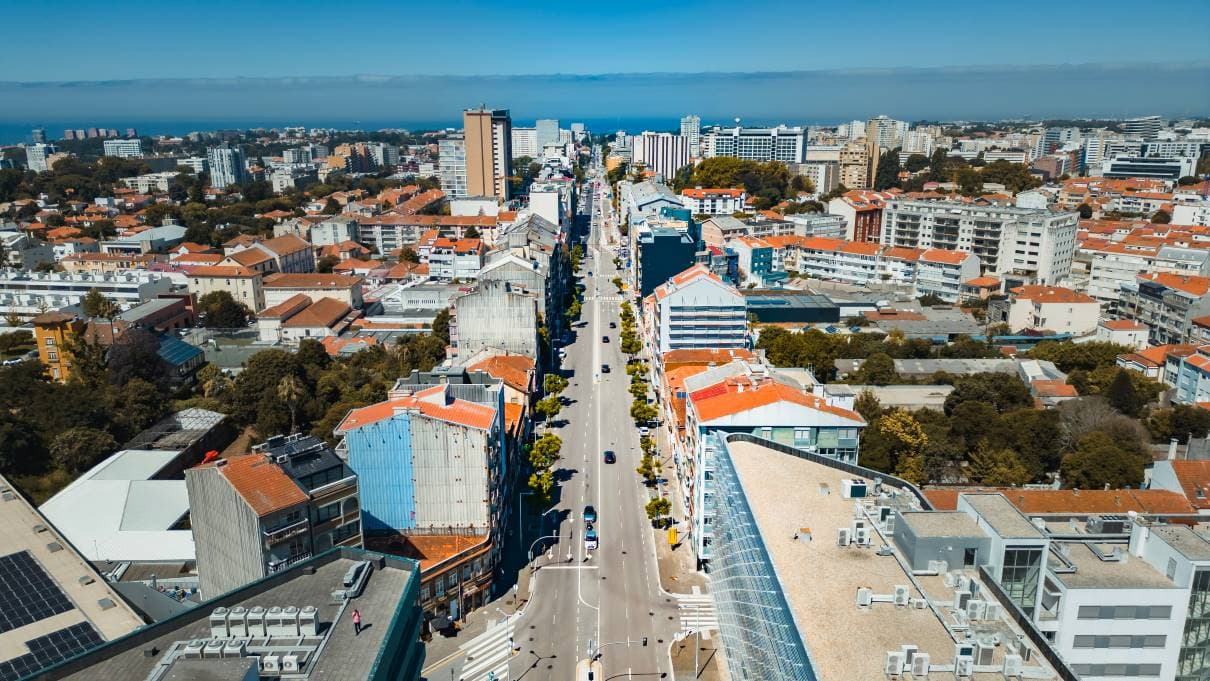
These neighbourhoods are shaped by universities, hospitals, and transport infrastructure. They are functional rather than charming but offer good metro access and lower prices.
Rental demand is consistent, particularly from students and professionals, though long-term appreciation potential is limited.
Best For: Budget renters, students, healthcare professionals, and yield-focused investors prioritising transport access and affordability.
Downsides: Low charm and limited neighbourhood identity, with most leisure activity happening elsewhere.
Local Highlights: Strong metro coverage, proximity to hospitals and universities, and consistent rental demand.
Campanhã and Antas
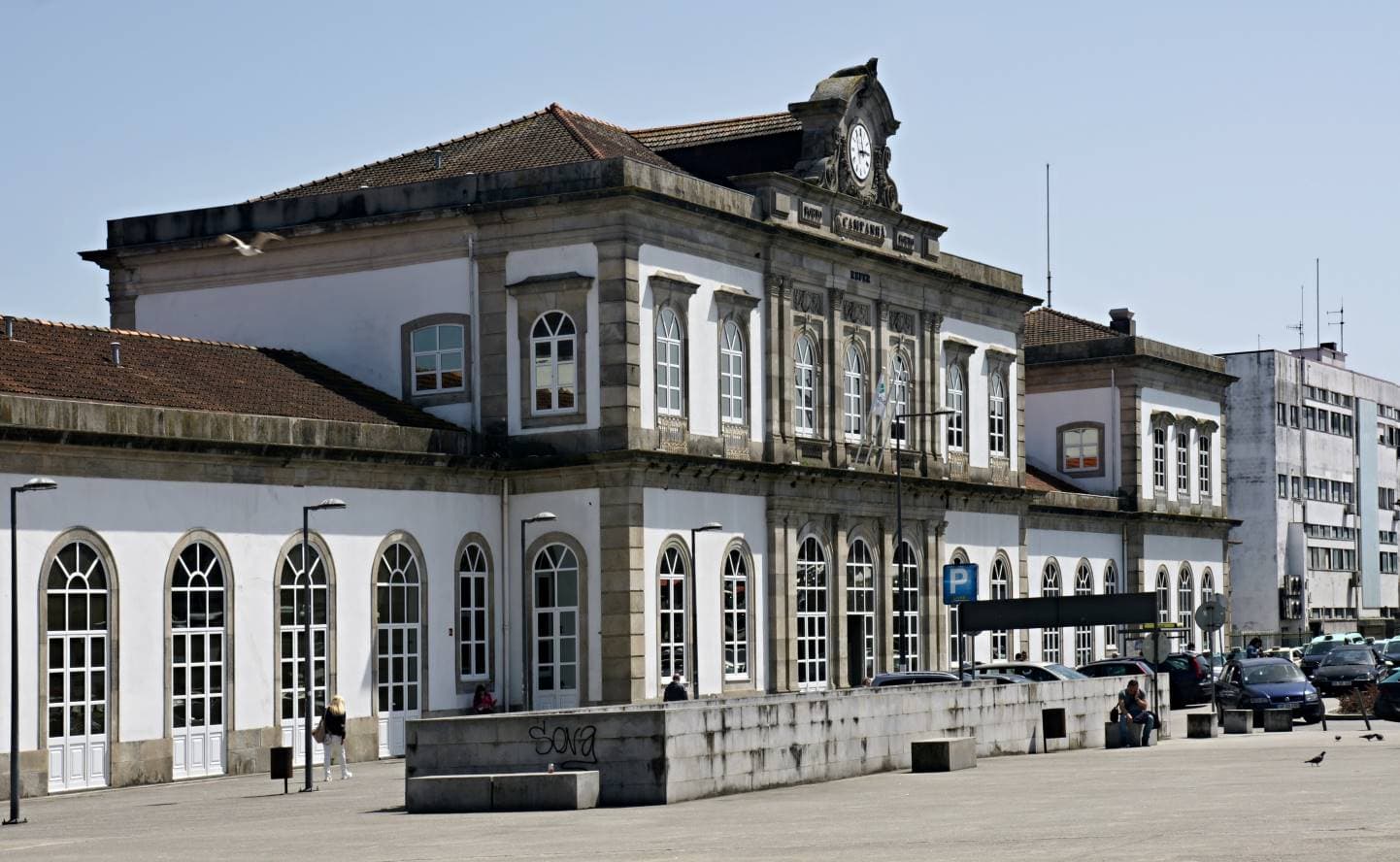
Campanhã and Antas are often highlighted as regeneration areas, supported by transport hubs and redevelopment plans.
While entry prices are low and speculative upside exists, the areas remain uneven and lack cohesive neighbourhood life. These are long-term bets rather than immediate lifestyle upgrades.
Best For: Patient investors and buyers targeting long-term regeneration and lower entry prices.
Downsides: Fragmented urban fabric and significant lifestyle compromises in the short term.
Local Highlights: Major rail and metro hub, ongoing redevelopment, and long-term infrastructure investment.
Living Outside Porto
Many people looking to live near Porto ultimately choose areas just outside the city for more space, better value, or a quieter lifestyle. Matosinhos and Gondomar offer two different kinds of coastal living but keep Porto accessible, while Maia, and Vila do Conde are among the most popular alternatives offering newer housing stock, easier parking, and a slower pace of life.
These areas are particularly attractive to families and long-term buyers, but choosing well depends heavily on commute patterns and lifestyle priorities.




Talk to one of our Real Estate Experts
Portugal Homes
Get the best property advice.