Article

Portugal Homes
Get the best property advice.
Portugal’s Atlantic-facing location makes it one of Europe’s most convenient entry points—especially for travellers and international residents moving between Europe, North America, and parts of Africa and the Middle East.
The backbone of this connectivity is a national airport network that spans the mainland and both archipelagos and offers flight connections to a total of 216 locations worldwide.
Portugal’s Airport Network: Mainland & Islands
Portugal’s primary commercial airport system is operated by ANA – Aeroportos de Portugal, which manages 19 airports across the mainland, Madeira, and the Azores.
For international travellers, five airports stand out as the most relevant gateways:
Lisbon (LIS) and Porto (OPO) for the country’s two largest metropolitan areas.
Faro (FAO) for the Algarve.
Madeira (Funchal, FNC) for the Madeira archipelago.
Azores (Ponta Delgada, PDL) for the Azores archipelago
Portugal’s Busiest Airports: 2025 Passenger Traffic

Using the latest full-year traffic results publicly reported by VINCI Airports (ANA’s shareholder/operator), Portugal’s airports handled 72.474 million passengers in 2025.
2025 passenger volumes (full year):
Lisbon (LIS): 36.1 million.
Porto (OPO): 16.9 million.
Faro (FAO): 10.4 million.
Madeira (Funchal FNC + Porto Santo PXO): 5.7 million.
Azores (Ponta Delgada PDL + Santa Maria SMA + Horta HOR + Flores FLW): 3.3 million
These numbers underline an important point for anyone relocating: Portugal’s connectivity isn’t limited to Lisbon—there is meaningful scale across the north, south, and both island regions.
Key Portugal Airport Profiles
Lisbon Airport (Humberto Delgado) — LIS / LPPT
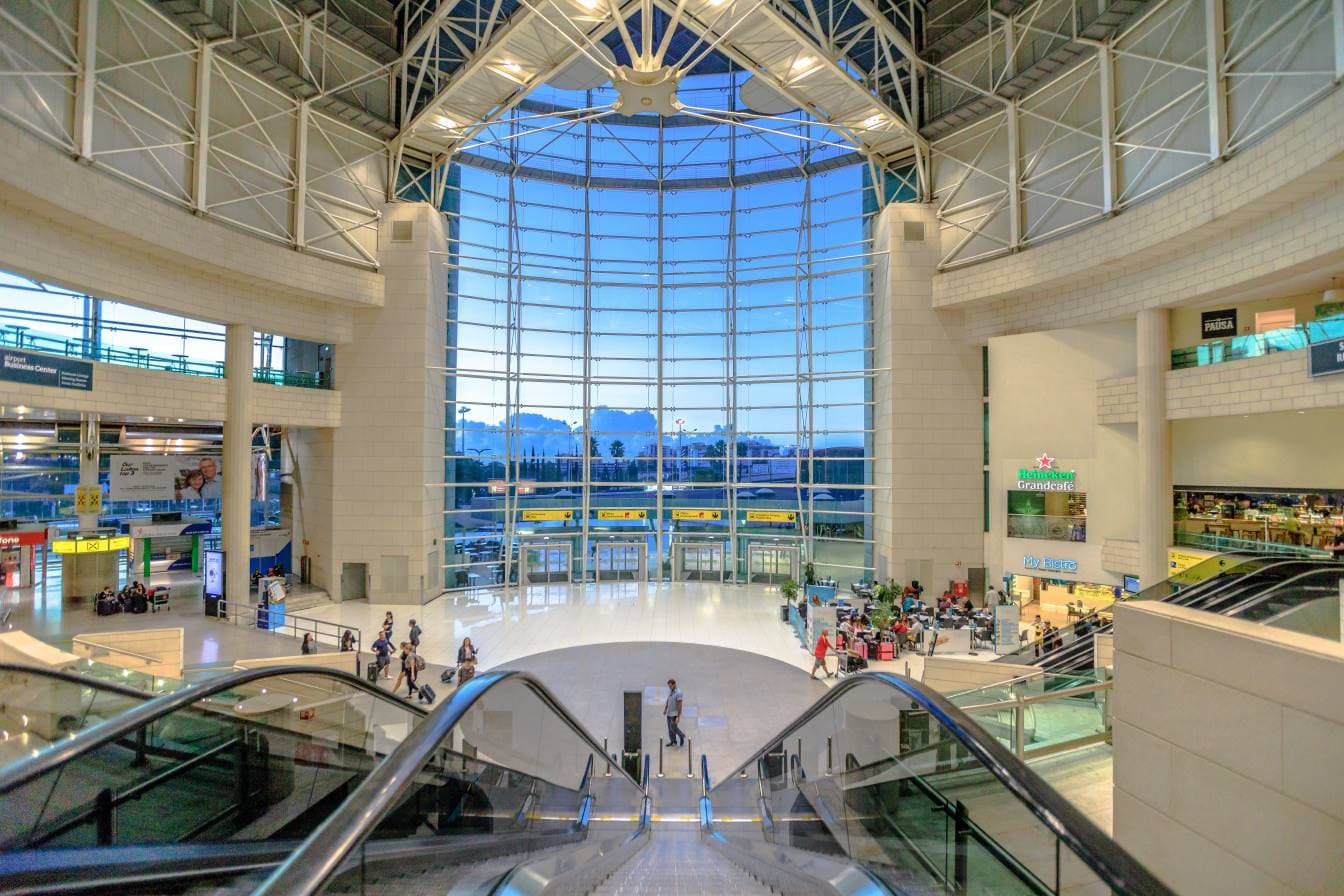
Lisbon’s main airport is officially Humberto Delgado Airport (LIS), commonly still referred to as “Portela.” It remains Portugal’s largest air hub, with 36.1 million passengers in 2025.
IATA: LIS.
ICAO: LPPT.
58 operational airlines.
36.1 million passengers from January to December 2025.
Routes to 151 destinations.
Flights to 52 countries.
9 domestic routes.
Longest flight is to Hangzhou, lasting 13 hours and 30 minutes.
Capacity upgrades: Lisbon is moving forward with a plan designed to raise declared capacity from 38 movements/hour toward a maximum of 45 movements/hour, as referenced in official environmental and expansion planning context.
Porto Airport (Francisco Sá Carneiro) — OPO / LPPR
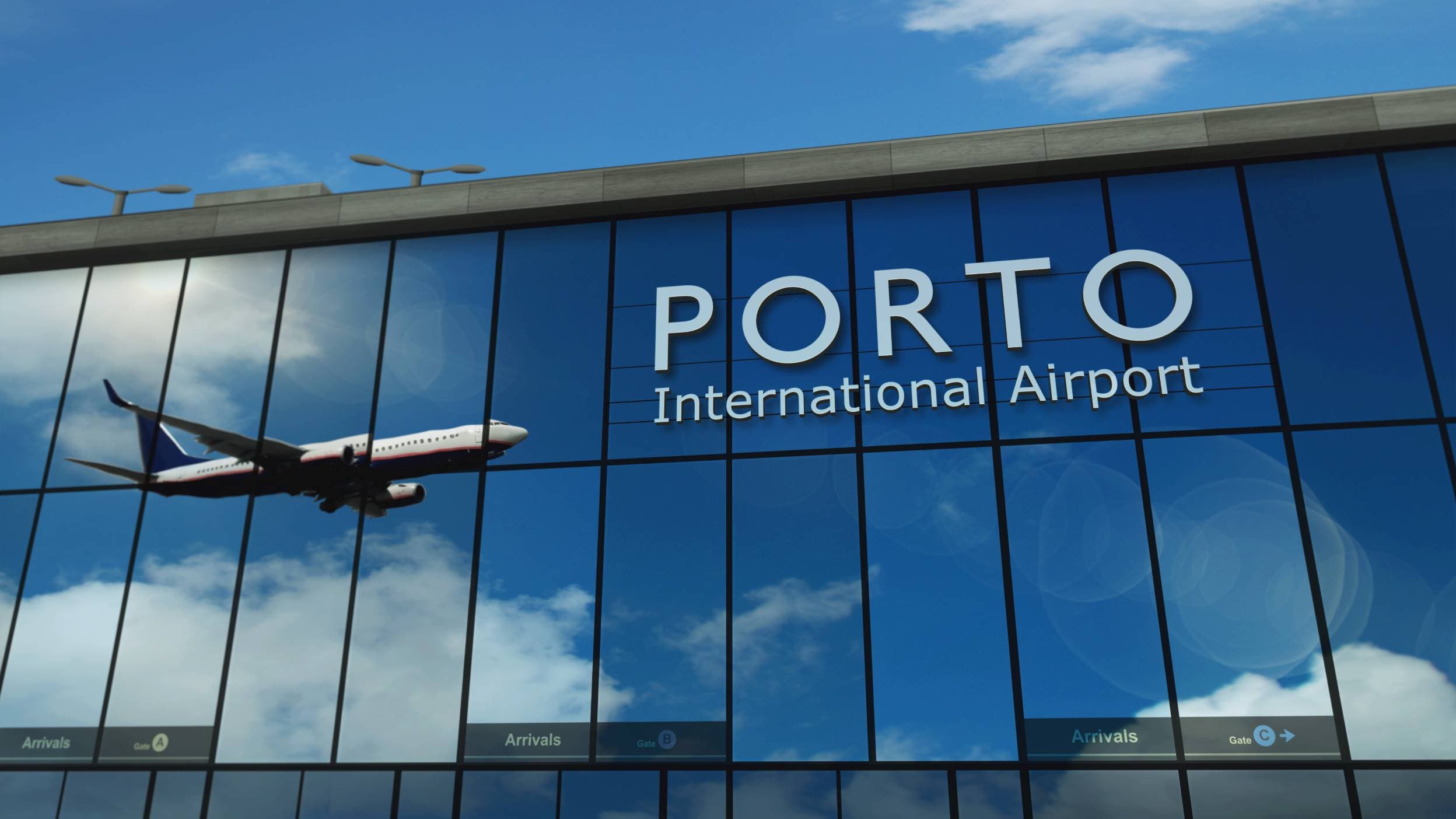
Porto’s airport is Francisco Sá Carneiro Airport (OPO), named after Portugal’s former prime minister. In 2025, it handled 16.9 million passengers.
IATA: OPO.
ICAO: LPPR,
16.9 million passengers from January to December 2025.
Routes to 133 destinations.
Flights to 33 countries
6 domestic routes.
Longest flight is to São Paulo, lasting 10 hours and 50 minutes
Faro Airport (Gago Coutinho) — FAO / LPFR
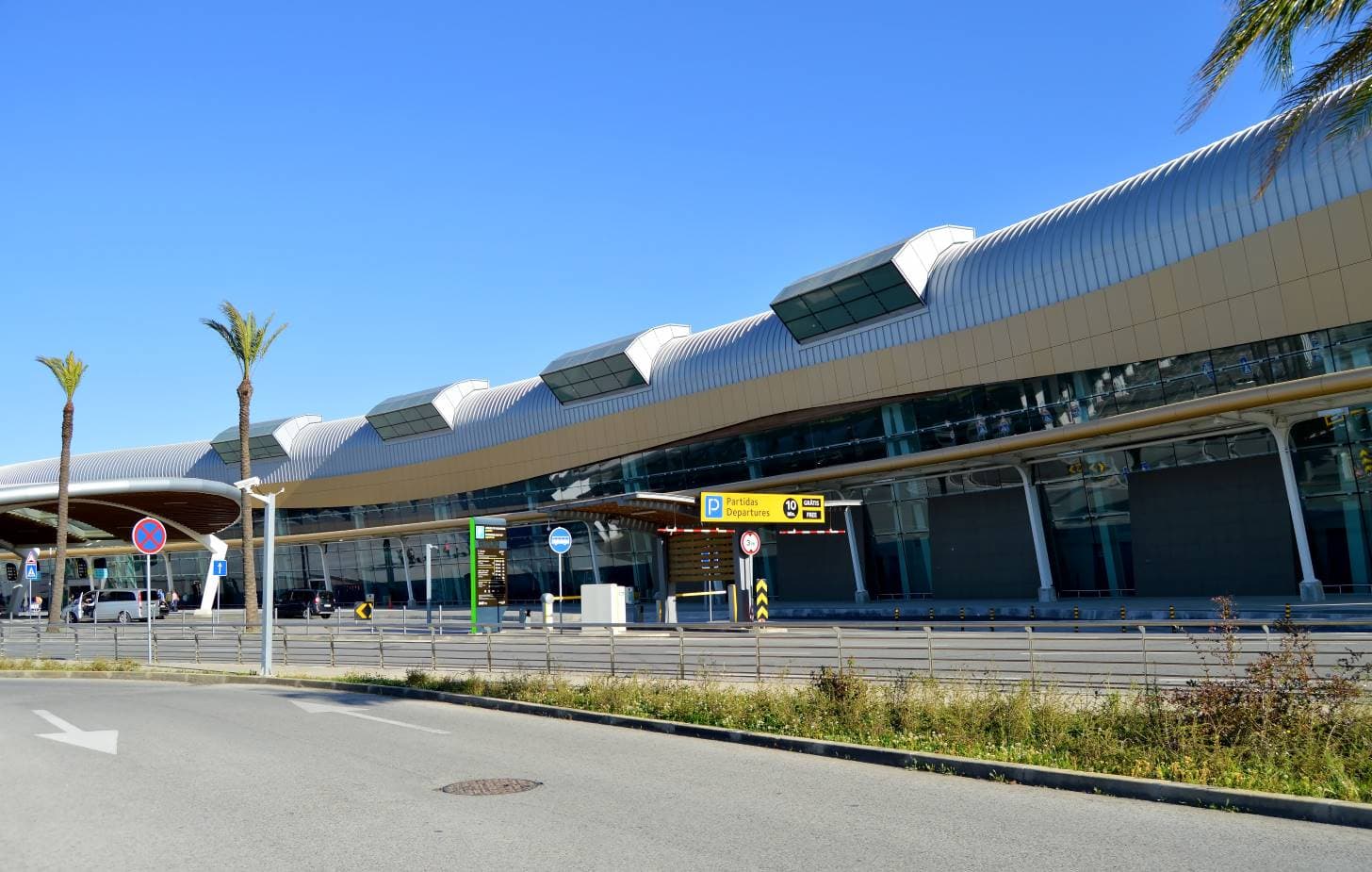
Faro is the Algarve’s main airport and recorded 10.4 million passengers in 2025.
In September 2022, ANA held the official naming ceremony confirming the renaming of Faro Airport to Gago Coutinho Airport after one of the Portuguese aviators who conducted the first aerial crossing of the South Atlantic in 1922.
IATA: FAO.
ICAO: LPFR.
10.4 million passengers from January to December 2025.
Routes to 90 destinations.
Flights to 23 countries
4 domestic routes.
Longest flight is to Toronto, lasting 8 hours and 30 minutes.
Madeira (Funchal) — FNC / LPMA

Madeira’s international gateway is commonly called Funchal Airport (FNC), though its official name is Cristiano Ronaldo International Airport. According to VINCI/ANA reporting, Madeira’s two airports (Funchal + Porto Santo) handled 5.7 million passengers in 2025.
Once notorious for its extremely short runway, which made it difficult to land, Funchal Airport has since undergone major improvements including a runway extension, meaning it now safely serves a wide range of air traffic.
IATA: FNC
ICAO: LPMA
5.7 million passengers from January to December 2025
Routes to 70 destinations
Flights to 22 countries
5 domestic routes
Longest flight is to Caracas, lasting 7 hours and 50 minutes
Azores (Ponta Delgada) — PDL / LPPD
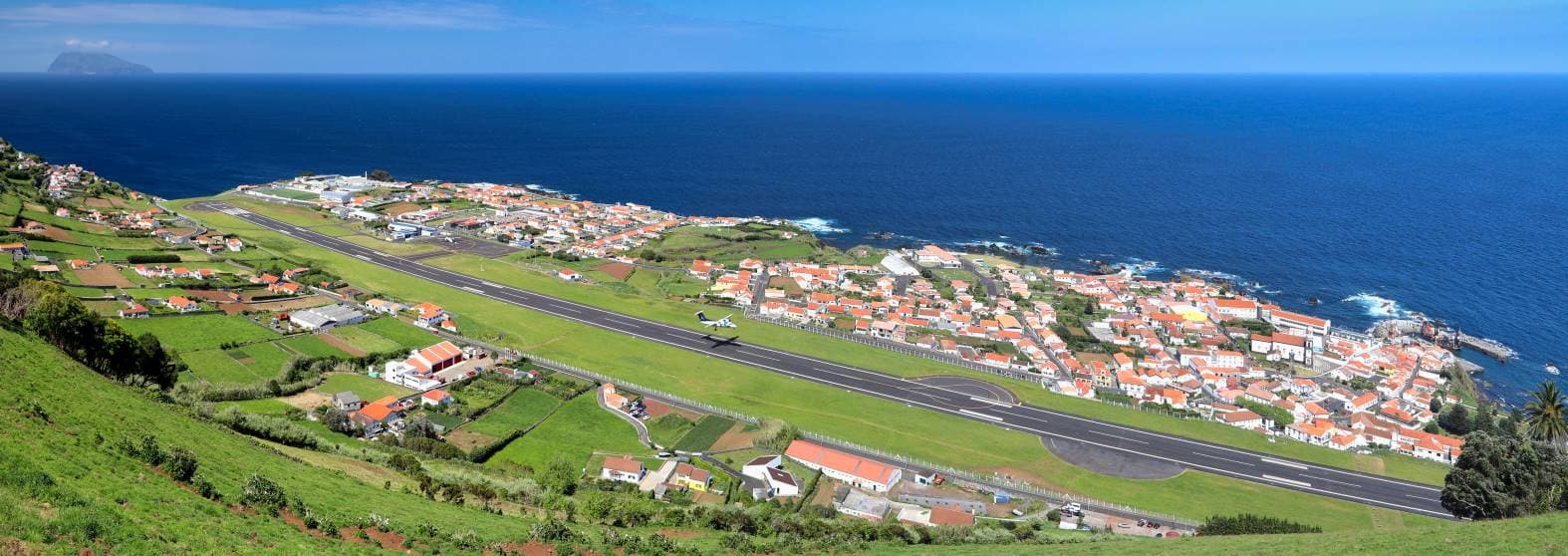
The Azores’ main international airport is Ponta Delgada – João Paulo II (PDL). ANA notes that the airport opened to civilian traffic in 1969 under the name Nordela and is the archipelago’s principal hub for international air traffic.
According to VINCI/ANA reporting, the Azores’ four airports (Ponta Delgada, Santa Maria, Horta, Flores) together handled 3.4 million passengers in 2025.
IATA: PDL.
ICAO: LPPD.
2.5 million passengers from January to December 2025.
Routes to 30 destinations.
Flights to 11 countries.
12 domestic routes.
Longest flight is to Toronto, lasting 6 hours and 48 minutes.
Connections, Comfort, and Practical Travel

Portugal’s main airports are modern, service-oriented gateways with the practical infrastructure international residents care about: efficient onward connections, amenities, and strong year-round route networks, particularly from Lisbon, Porto, Faro, and the two main island airports.
Lisbon’s New Airport: Alcochete and the Luís de Camões name
After many years of planning and discussion, the Portuguese government has formally decided that the New Lisbon Airport will be located at the Alcochete firing range, and the government also decided it will be named after Luís de Camões.
Until the new airport becomes operational, the plan is to keep Humberto Delgado operating and expand capacity in the interim to accommodate the increasing numbers of visitors arriving in Portugal each year.
TAP Air Portugal: Recent Operational Figures (2025)

For travellers using Portugal as a hub, TAP remains a key player. In TAP’s official Third Quarter and Nine Months 2025 report, the following results were shared:
TAP reported €125.9 million net income in Q3 2025.
TAP’s operating fleet was 99 aircraft as of 30 September 2025.
And as for stopovers, multiple aviation-industry reports cite that more than 193,000 passengers used the Portugal Stopover option in the first half of 2025 (Jan–Jun), with strong year-on-year growth.
Ready for Take-Off: Portugal Homes is Here for the Full Journey
If Portugal’s connectivity is part of your decision—whether for family travel, business mobility, or simply lifestyle freedom—your move can be planned with confidence. Between mainland hubs and island gateways, Portugal offers a flight network that supports international living without feeling disconnected.
And once you’ve made it to Portugal, you’ll have every option at your disposal when it comes to getting around the country.
At Portugal Homes, we help you connect the dots from lifestyle goals to practical outcomes, from selecting the right region and property to navigating residency pathways through investment.
Reach out to our team and we’ll help you land in Portugal with momentum.




Talk to one of our Real Estate Experts
Portugal Homes
Get the best property advice.